
Häftad, Engelska, 2010
289 kr
Skickas inom 3-6 vardagar
289 kr
Skickas inom 3-6 vardagar
312 kr
Skickas inom 3-6 vardagar
738 kr
Skickas inom 5-8 vardagar
1 641 kr
Skickas inom 5-8 vardagar

536 kr
Skickas inom 10-15 vardagar
518 kr
Läs direkt efter köp
269 kr
Skickas inom 3-6 vardagar
253 kr
Läs direkt efter köp
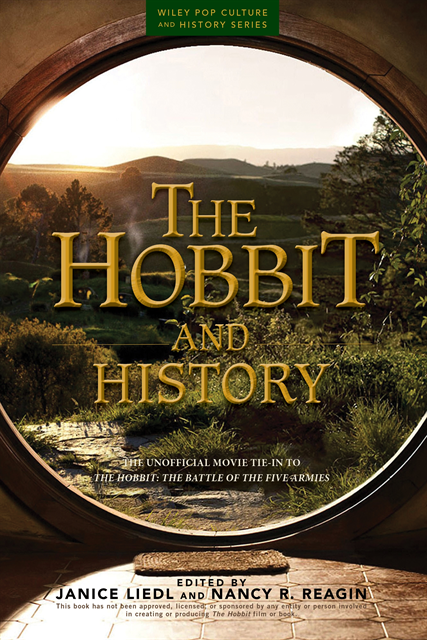
You’ll find the answers and more in this book, which explores the magic and creativity behind J.R.R. Tolkien’s bestselling story from a historical perspective. Tolkien was a professor of medieval languages and literature at Oxford University, and he drew on his scholarship—and the homely comforts common in his own day—to build the world of The Hobbit.
The Hobbit and History uncovers the parallels between the Middle Ages and the intricate culture of Middle-earth that Tolkien created in The Hobbit, showing how historical cultures provided the models for Tolkien’s characters, foods, riddles, and battle tactics. The book explores how European myths and legends inspired Tolkien’s wizards, dragons, and the monsters he created. Seeing Middle-earth and its peoples against these historical backdrops shines new light on the richness of Tolkien’s world, which is rooted in knowledge of European cultures as deep as the archive that Gandalf explores in Minas Tirith.
Filled with fascinating facts and reproductions of Tolkien’s original artwork of Smaug and other aspects of Middle-earth, The Hobbit and History is the missing piece for every book and movie fan and anyone who thought their J.R.R. Tolkien collection was complete.
270 kr
Skickas inom 5-8 vardagar
524 kr
Läs direkt efter köp
289 kr
Skickas inom 3-6 vardagar
312 kr
Skickas inom 3-6 vardagar
738 kr
Skickas inom 5-8 vardagar
1 641 kr
Skickas inom 5-8 vardagar
536 kr
Skickas inom 10-15 vardagar
518 kr
Läs direkt efter köp
269 kr
Skickas inom 3-6 vardagar
253 kr
Läs direkt efter köp
You’ll find the answers and more in this book, which explores the magic and creativity behind J.R.R. Tolkien’s bestselling story from a historical perspective. Tolkien was a professor of medieval languages and literature at Oxford University, and he drew on his scholarship—and the homely comforts common in his own day—to build the world of The Hobbit.
The Hobbit and History uncovers the parallels between the Middle Ages and the intricate culture of Middle-earth that Tolkien created in The Hobbit, showing how historical cultures provided the models for Tolkien’s characters, foods, riddles, and battle tactics. The book explores how European myths and legends inspired Tolkien’s wizards, dragons, and the monsters he created. Seeing Middle-earth and its peoples against these historical backdrops shines new light on the richness of Tolkien’s world, which is rooted in knowledge of European cultures as deep as the archive that Gandalf explores in Minas Tirith.
Filled with fascinating facts and reproductions of Tolkien’s original artwork of Smaug and other aspects of Middle-earth, The Hobbit and History is the missing piece for every book and movie fan and anyone who thought their J.R.R. Tolkien collection was complete.
270 kr
Skickas inom 5-8 vardagar
524 kr
Läs direkt efter köp