Nancy S. Marder – författare
Visar alla böcker från författaren Nancy S. Marder. Handla med fri frakt och snabb leverans.
6 produkter
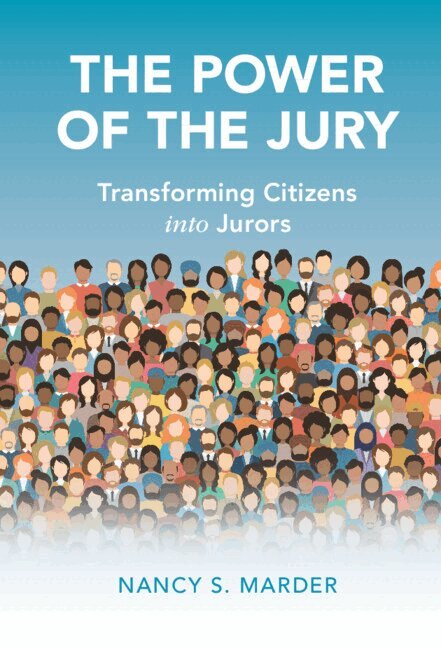
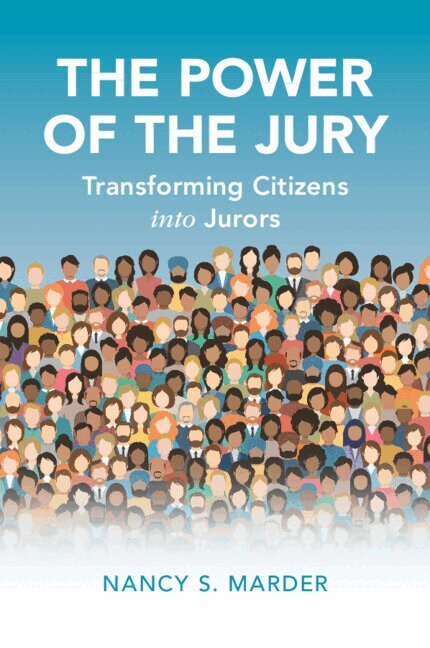
The Power of the Jury
Transforming Citizens into Jurors
Inbunden, 2022
1229 kr
Lägg i varukorg
Offering an alternative view of the jury process, this book argues that each stage transforms ordinary citizens, who are oftentimes reluctant to serve on juries, into responsible jurors. Jurors, Professor Marder argues, are not found, but rather they are made and shaped by the jury process. This …
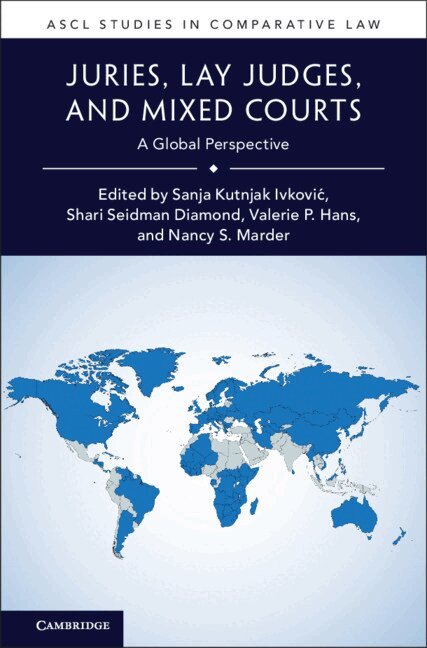
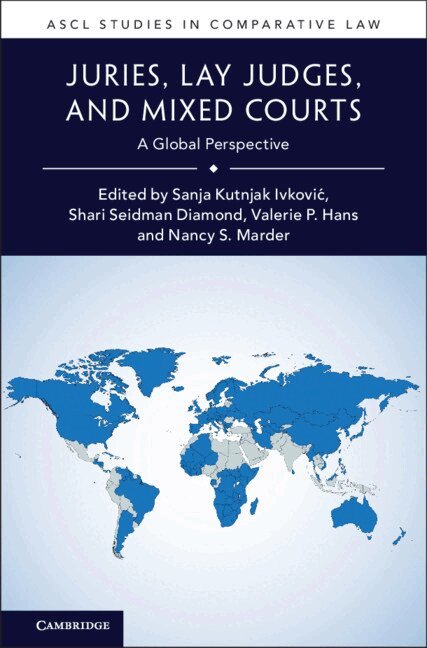
Juries, Lay Judges, and Mixed Courts
A Global Perspective
Av Sanja Kutnjak Ivković, Shari Seidman Diamond m. fl.
Inbunden, 2021
1648 kr
Lägg i varukorg
Although most countries around the world use professional judges, they also rely on lay citizens, untrained in the law, to decide criminal cases. The participation of lay citizens helps to incorporate community perspectives into legal outcomes and to provide greater legitimacy for the legal system …
Power of the Jury
Transforming Citizens into Jurors
E-bok, 2022
426 kr
Lägg i varukorg
Offering an alternative view of the jury process, this book argues that each stage transforms ordinary citizens, who are oftentimes reluctant to serve on juries, into responsible jurors. Jurors, Professor Marder argues, are not found, but rather they are made and shaped by the jury process. This …
Power of the Jury
Transforming Citizens into Jurors
E-bok, 2022
435 kr
Lägg i varukorg
Offering an alternative view of the jury process, this book argues that each stage transforms ordinary citizens, who are oftentimes reluctant to serve on juries, into responsible jurors. Jurors, Professor Marder argues, are not found, but rather they are made and shaped by the jury process. This …
The Power of the Jury
Transforming Citizens into Jurors
Häftad, 2022
448 kr
Lägg i varukorg
Offering an alternative view of the jury process, this book argues that each stage transforms ordinary citizens, who are oftentimes reluctant to serve on juries, into responsible jurors. Jurors, Professor Marder argues, are not found, but rather they are made and shaped by the jury process. This …
Juries, Lay Judges, and Mixed Courts
A Global Perspective
Av Sanja Kutnjak Ivković, Shari Seidman Diamond m. fl.
Häftad, 2026
529 kr
Lägg i varukorg
Although most countries around the world use professional judges, they also rely on lay citizens, untrained in the law, to decide criminal cases. The participation of lay citizens helps to incorporate community perspectives into legal outcomes and to provide greater legitimacy for the legal system …