Nancy Um - Böcker
Visar alla böcker från författaren Nancy Um. Handla med fri frakt och snabb leverans.
3 produkter
3 produkter
1 674 kr
Skickas
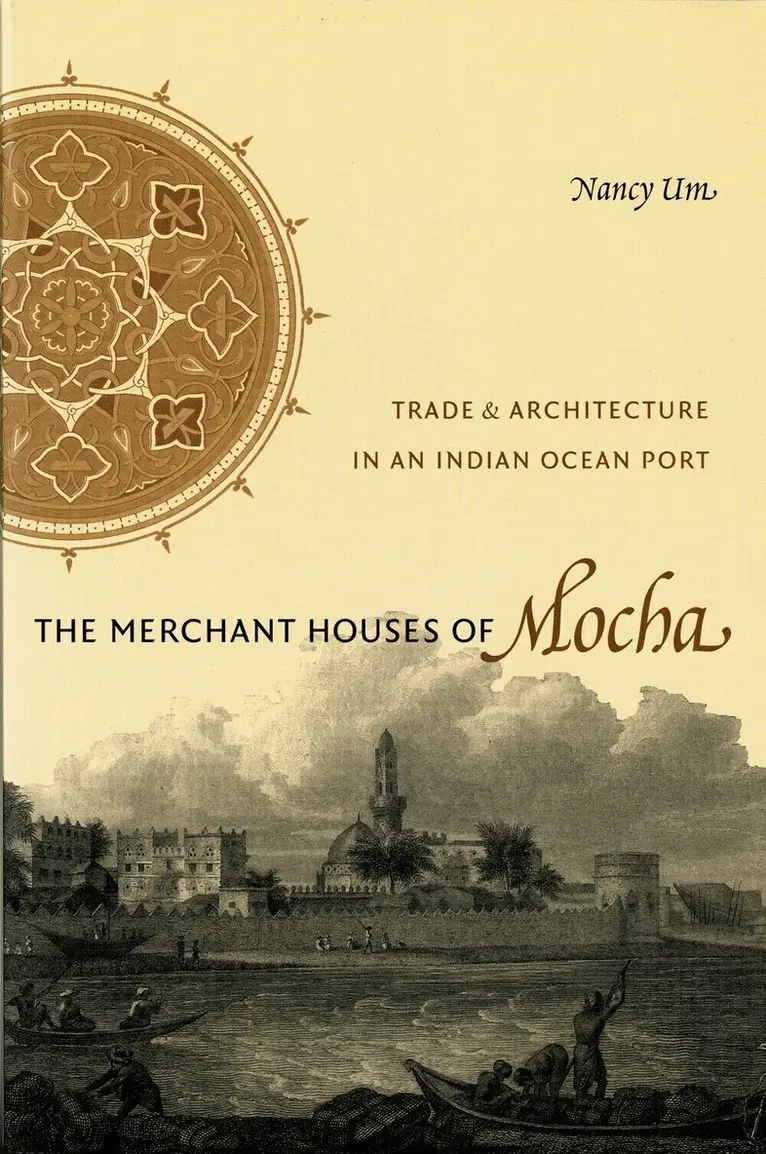
Gaining prominence as a seaport under the Ottomans in the mid-1500s, the city of Mocha on the Red Sea coast of Yemen pulsed with maritime commerce. Its very name became synonymous with Yemen's most important revenue-producing crop -- coffee. After the imams of the Qasimi dynasty ousted the Ottomans in 1635, Mocha's trade turned eastward toward the Indian Ocean and coastal India. Merchants and shipowners from Asian, African, and European shores flocked to the city to trade in Arabian coffee and aromatics, Indian textiles, Asian spices, and silver from the New World.Nancy Um tells how and why Mocha's urban shape and architecture took the forms they did. Mocha was a hub in a great trade network encompassing overseas cities, agricultural hinterlands, and inland market centers. All these connected places, together with the functional demands of commerce in the city, the social stratification of its residents, and the imam's desire for wealth, contributed to Mocha's architectural and urban form.Eventually, in the mid-1800s, the Ottomans regained control over Yemen and abandoned Mocha as their coastal base. Its trade and its population diminished and its magnificent buildings began to crumble, until few traces are left of them today. This book helps bring Mocha to life once again.
541 kr
Skickas inom 3-6 vardagar
Gaining prominence as a seaport under the Ottomans in the mid-1500s, the city of Mocha on the Red Sea coast of Yemen pulsed with maritime commerce. Its very name became synonymous with Yemen's most important revenue-producing crop -- coffee. After the imams of the Qasimi dynasty ousted the Ottomans in 1635, Mocha's trade turned eastward toward the Indian Ocean and coastal India. Merchants and shipowners from Asian, African, and European shores flocked to the city to trade in Arabian coffee and aromatics, Indian textiles, Asian spices, and silver from the New World.Nancy Um tells how and why Mocha's urban shape and architecture took the forms they did. Mocha was a hub in a great trade network encompassing overseas cities, agricultural hinterlands, and inland market centers. All these connected places, together with the functional demands of commerce in the city, the social stratification of its residents, and the imam's desire for wealth, contributed to Mocha's architectural and urban form.Eventually, in the mid-1800s, the Ottomans regained control over Yemen and abandoned Mocha as their coastal base. Its trade and its population diminished and its magnificent buildings began to crumble, until few traces are left of them today. This book helps bring Mocha to life once again.
Shipped but not Sold
Material Culture and the Social Protocols of Trade During Yemen’s Age of Coffee
Häftad, Engelska, 2022
293 kr
Skickas inom 7-10 vardagar
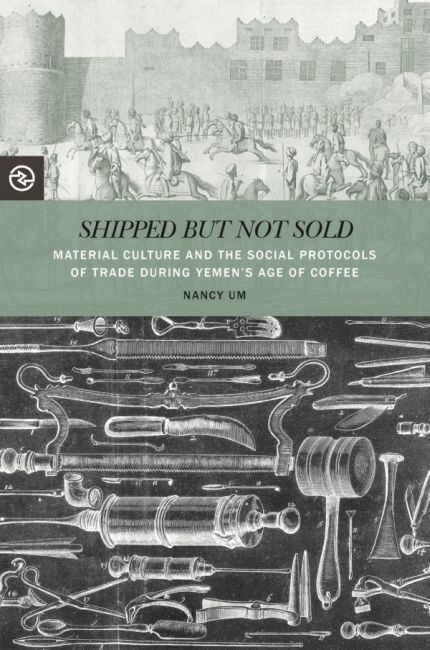
In the early decades of the eighteenth century, Yemen hosted a bustling community of merchants who sailed to the southern Arabian Peninsula from the east and the west, seeking and offering a range of commodities, both luxury and mundane. In Shipped but Not Sold, Nancy Um opens the chests these merchants transported to and from Yemen and examines the cargo holds of their boats to reveal the goods held within. They included eastern spices and aromatics, porcelain cups and saucers with decorations in gold from Asia, bales of coffee grown in the mountains of Yemen, Arabian horses, and a wide variety of cotton, silk, velvet, and woolen cloth from India, China, Persia, and Europe; in addition to ordinary provisions, such as food, beer, medicine, furniture, pens, paper, and wax candles. As featured in the copious records of the Dutch and English East India Companies, as well as in travel accounts and local records in Arabic, these varied goods were not just commodities intended for sale in the marketplace. Horses and textile banners were mobilized and displayed in the highly visible ceremonies staged at the Red Sea port of Mocha when new arrivals appeared from overseas at the beginning of each trade season. Coffee and aromatics were served and offered in imported porcelain and silver wares during negotiations that took place in the houses of merchants and officials. Major traders bestowed sacks of spices and lavish imported textiles as gifts to provincial governors and Yemen’s imam in order to sustain their considerable trading privileges. European merchants who longed for the distant comforts of home carried tables and chairs, along with abundant supplies of wine and spirits for their own use and, in some cases, further distribution in Yemen’s ports and emporia. These diverse items were offered, displayed, exchanged, consumed, or utilized by major international merchants and local trade officials in a number of socially exclusive practices that affirmed their identity, status, and commercial obligations, but also sustained the livelihood of their business ventures. Shipped but Not Sold posits a key role for these socially significant material objects (many of which were dispatched across oceans but not intended only for sale on the open market) as important signs, tools, and attributes in the vibrant world of a rapidly transforming Indian Ocean trading society.