Nanette Mutrie - Böcker
Visar alla böcker från författaren Nanette Mutrie. Handla med fri frakt och snabb leverans.
4 produkter
4 produkter
2 157 kr
Skickas inom 10-15 vardagar
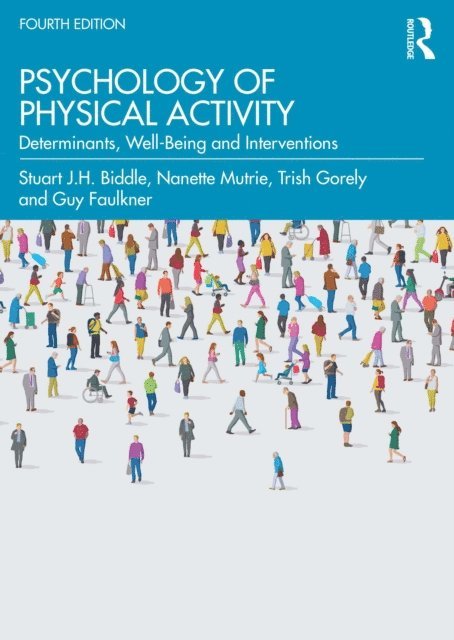
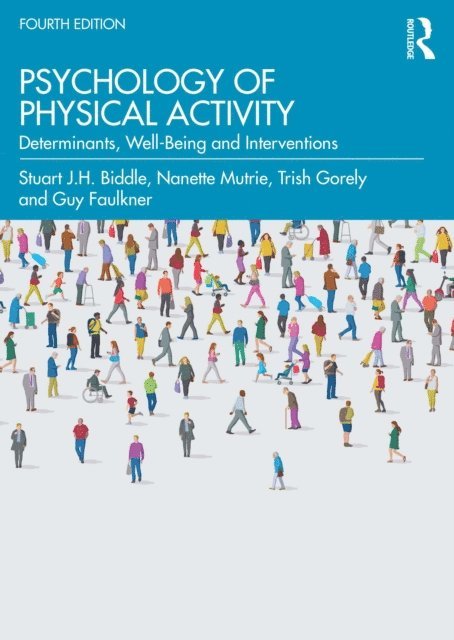
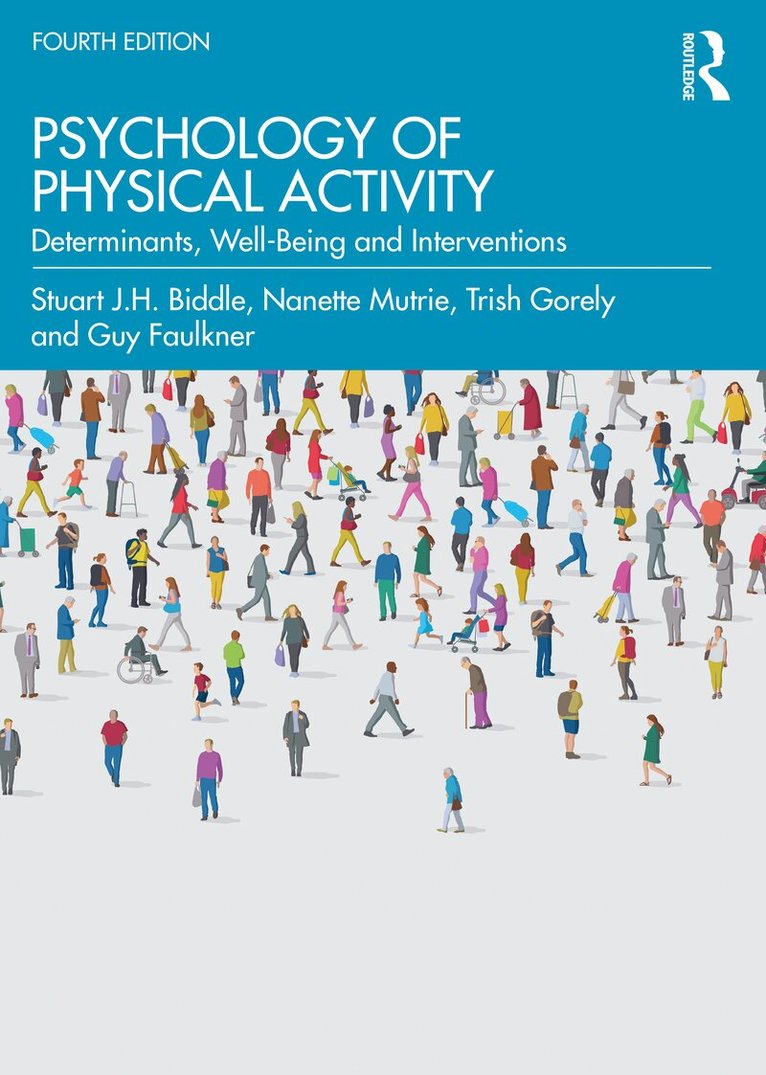
The positive benefits of physical activity for physical and mental health are now widely acknowledged, yet levels of physical inactivity continue to be a major concern throughout the world. Understanding the psychology of physical activity has therefore become an important issue for scientists, health professionals and policy-makers alike as they address the challenge of behaviour change. Psychology of Physical Activity provides comprehensive and in-depth coverage of the fundamentals of exercise psychology, from mental health, to theories of motivation and adherence, and to the design of successful interventions for increasing participation. Now publishing in a fully revised, updated and expanded fourth edition, Psychology of Physical Activity is still the only textbook to offer a full survey of the evidence base for theory and practice in exercise psychology, and the only textbook that explains how to interpret the quality of the research evidence. As the field continues to grow rapidly, the new edition expands the behavioural science content of numerous important topics, including physical activity and cognitive functioning, automatic and affective frameworks for understanding physical activity involvement, new interventions designed to increase physical activity (including use of new technologies), and sedentary behaviour. A full companion website offers useful features to help students and lecturers get the most out of the book during their course, including multiple-choice revision questions, PowerPoint slides and a test bank of additional learning activities. Psychology of Physical Activity is the most authoritative, engaging and up-to-date book on exercise psychology currently available. It is essential reading for all students working in behavioural medicine, as well as the exercise and health sciences.
982 kr
Skickas inom 10-15 vardagar
The positive benefits of physical activity for physical and mental health are now widely acknowledged, yet levels of physical inactivity continue to be a major concern throughout the world. Understanding the psychology of physical activity has therefore become an important issue for scientists, health professionals and policy-makers alike as they address the challenge of behaviour change. Psychology of Physical Activity provides comprehensive and in-depth coverage of the fundamentals of exercise psychology, from mental health, to theories of motivation and adherence, and to the design of successful interventions for increasing participation. Now publishing in a fully revised, updated and expanded fourth edition, Psychology of Physical Activity is still the only textbook to offer a full survey of the evidence base for theory and practice in exercise psychology, and the only textbook that explains how to interpret the quality of the research evidence. As the field continues to grow rapidly, the new edition expands the behavioural science content of numerous important topics, including physical activity and cognitive functioning, automatic and affective frameworks for understanding physical activity involvement, new interventions designed to increase physical activity (including use of new technologies), and sedentary behaviour. A full companion website offers useful features to help students and lecturers get the most out of the book during their course, including multiple-choice revision questions, PowerPoint slides and a test bank of additional learning activities. Psychology of Physical Activity is the most authoritative, engaging and up-to-date book on exercise psychology currently available. It is essential reading for all students working in behavioural medicine, as well as the exercise and health sciences.
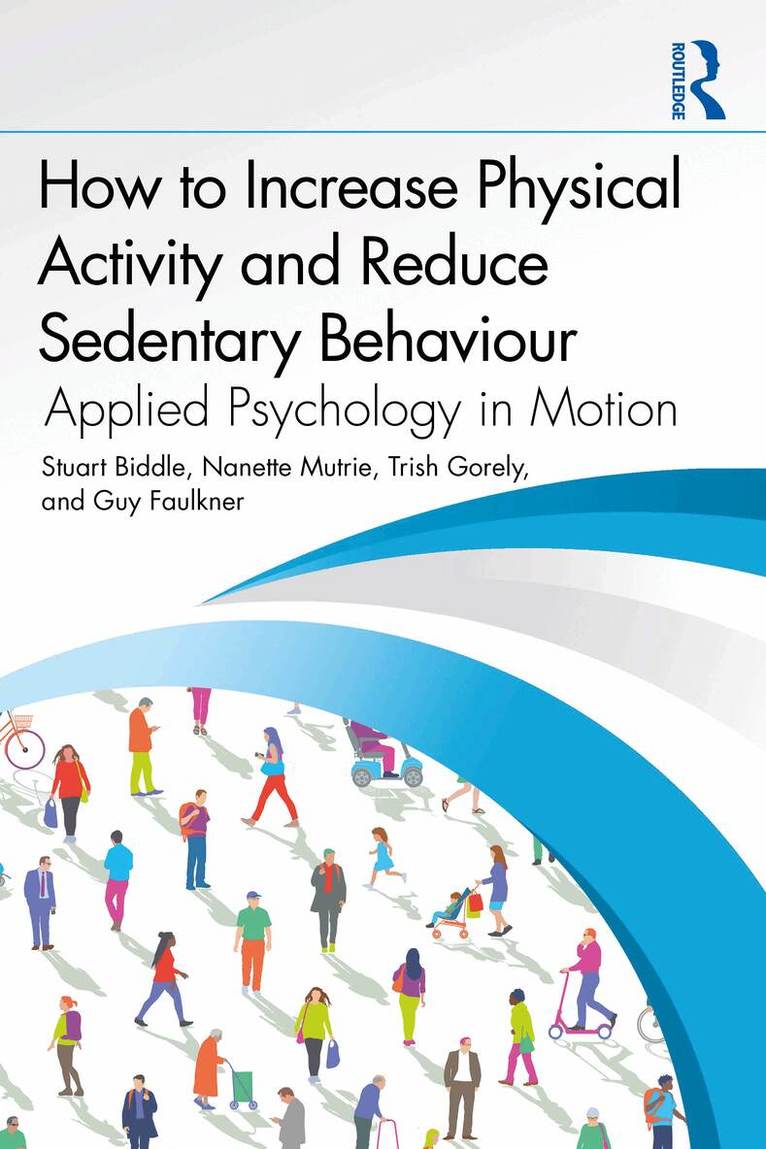
How to Increase Physical Activity and Reduce Sedentary Behaviour
Applied Psychology in Motion
Häftad, Engelska, 2025
610 kr
Skickas inom 10-15 vardagar
How to Increase Physical Activity and Reduce Sedentary Behaviour: Applied Psychology in Motion is an important source concerning the application of psychology to the promotion of physical activity for health. It serves as a companion to the more detailed research-intensive textbook Psychology of Physical Activity. While comprehensive textbooks have their place, there is also a need for a more succinct and practical book describing important psychological constructs and how they can be applied to increase physical activity and reduce sedentary behaviour.Behaviour change does not occur in a vacuum. We also need to apply psychology within certain settings and practices. How to Increase Physical Activity and Reduce Sedentary Behaviour: Applied Psychology in Motion presents the ‘8 best investments’ proposed by the International Society for Physical Activity and Health and applies important psychological constructs and issues to each context in an effort to stimulate behaviour change. This cutting edge book has been developed to assist individuals looking to change their activity levels, as well as those attempting to change behaviours in others. It is designed to better understand the psychological principles underpinning sedentary behaviour and physical activity for health.This new, practical guidebook delivers an applied emphasis on helping those working with individuals in health behaviour change, whilst also being accessible to members of the general public who want to know more about how to increase their physical activity. Including many applied examples, case studies, and scenarios that bring the psychology concepts to life, How to Increase Physical Activity and Reduce Sedentary Behaviour: Applied Psychology in Motion is centred around different settings where behaviour change can take place.
How to Increase Physical Activity and Reduce Sedentary Behaviour
Applied Psychology in Motion
Inbunden, Engelska, 2025
2 040 kr
Skickas inom 10-15 vardagar
How to Increase Physical Activity and Reduce Sedentary Behaviour: Applied Psychology in Motion is an important source concerning the application of psychology to the promotion of physical activity for health. It serves as a companion to the more detailed research-intensive textbook Psychology of Physical Activity. While comprehensive textbooks have their place, there is also a need for a more succinct and practical book describing important psychological constructs and how they can be applied to increase physical activity and reduce sedentary behaviour.Behaviour change does not occur in a vacuum. We also need to apply psychology within certain settings and practices. How to Increase Physical Activity and Reduce Sedentary Behaviour: Applied Psychology in Motion presents the ‘8 best investments’ proposed by the International Society for Physical Activity and Health and applies important psychological constructs and issues to each context in an effort to stimulate behaviour change. This cutting edge book has been developed to assist individuals looking to change their activity levels, as well as those attempting to change behaviours in others. It is designed to better understand the psychological principles underpinning sedentary behaviour and physical activity for health.This new, practical guidebook delivers an applied emphasis on helping those working with individuals in health behaviour change, whilst also being accessible to members of the general public who want to know more about how to increase their physical activity. Including many applied examples, case studies, and scenarios that bring the psychology concepts to life, How to Increase Physical Activity and Reduce Sedentary Behaviour: Applied Psychology in Motion is centred around different settings where behaviour change can take place.