Naoko Abe – författare
Visar alla böcker från författaren Naoko Abe. Handla med fri frakt och snabb leverans.
10 produkter
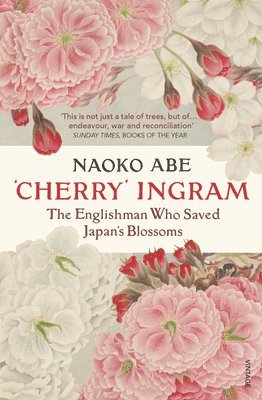
'Cherry' Ingram
The Englishman Who Saved Japan’s Blossoms
Av Naoko Abe
Häftad, 2020
176 kr
Lägg i varukorg
The irresistible story of Japanese cherry blossoms, threatened by political ideology and saved by an unknown Englishman'This is not just a tale of trees, but of . . . endeavour, war and reconciliation' Sunday TimesCollingwood Ingram, born in 1880, became known as 'Cherry' for his defining …
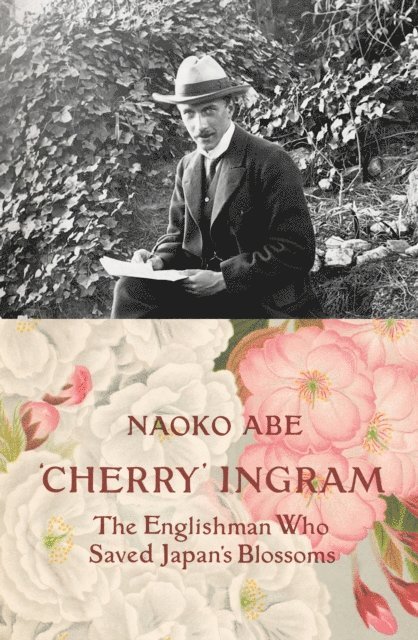
'Cherry' Ingram
The Englishman Who Saved Japan’s Blossoms
Av Naoko Abe
E-bok, 2019
136 kr
Lägg i varukorg
The irresistible story of Japanese cherry blossoms, threatened by political ideology and saved by an unknown Englishman'This is not just a tale of trees, but of . . . endeavour, war and reconciliation' Sunday TimesCollingwood Ingram, born in 1880, became known as 'Cherry' for his defining …
Martyr and the Red Kimono
A Fearless Priest’s Sacrifice and A New Generation of Hope in Japan
Av Naoko Abe
E-bok, 2024
357 kr
Lägg i varukorg
The remarkable true story of Saint Maximilian Kolbe, and the two men in war-torn Japan whose lives he changed forever.On the 14th of August 1941, a Polish priest named Maximilian Maria Kolbe was murdered in Auschwitz.Kolbe's life had been remarkable. Fiercely intelligent and driven, he founded a …
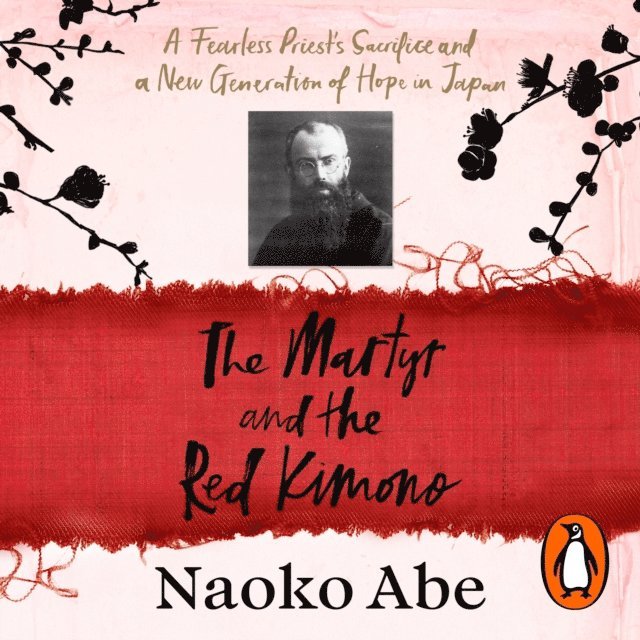
Martyr and the Red Kimono
A Fearless Priest’s Sacrifice and A New Generation of Hope in Japan
Av Naoko Abe
Ljudbok, 2024
186 kr
Lägg i varukorg
Brought to you by Penguin. On the 14th of August 1941, a Polish monk named Maximilian Maria Kolbe was murdered in Auschwitz. Kolbe''s life had been remarkable. Fiercely intelligent and driven, he founded a movement of Catholicism and spent several years in Nagasaki, ministering to the ''hidden …
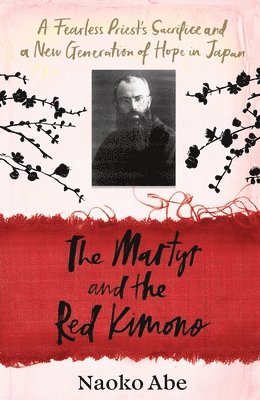
Martyr and the Red Kimono
A Fearless Priest’s Sacrifice and A New Generation of Hope in Japan
Av Naoko Abe
Inbunden, 2024
254 kr
Lägg i varukorg
The remarkable true story of Saint Maximilian Kolbe, and the two men in war-torn Japan whose lives he changed forever.On the 14th of August 1941, a Polish priest named Maximilian Maria Kolbe was murdered in Auschwitz.Kolbe's life had been remarkable. Fiercely intelligent and driven, he founded a …
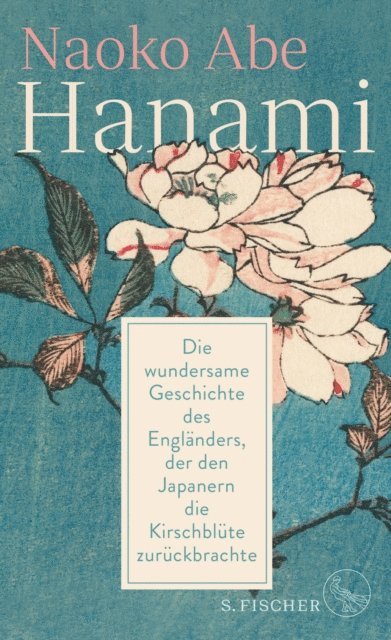
Hanami
Die wundersame Geschichte des Engländers, der den Japanern die Kirschblüte zurückbrachte
Av Naoko Abe
E-bok, 2020
227 kr
Lägg i varukorg
Die berührende Biographie des Engländers Collingwood »Cherry« Ingram, der Japans Kirschblüte retteteIhr Blick auf die Kirschblüte, im Japanischen »sakura«, wird nach der Lektüre ein anderer sein: Collingwood Ingram (1880-1981), ein junger Botaniker, reist 1902 von Großbritannien nach Japan, um dort …
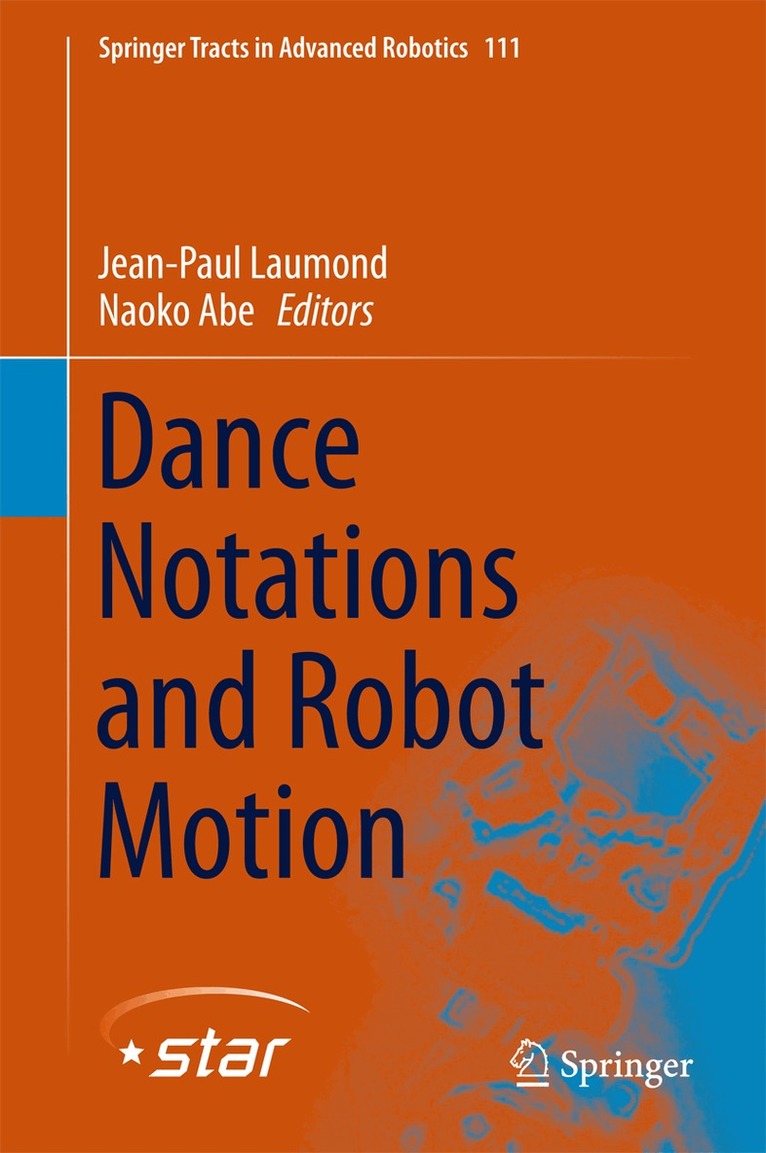
Dance Notations and Robot Motion
Av Jean-Paul Laumond, Naoko Abe
Inbunden, 2015
1131 kr
Lägg i varukorg
How and why to write a movement? Who is the writer? Who is the reader? They may be choreographers working with dancers. They may be roboticists programming robots. They may be artists designing cartoons in computer animation. In all such fields the purpose is to express an intention about a dance, …
Dance Notations and Robot Motion
Av Naoko Abe, Jean-Paul Laumond
E-bok, 2015
1470 kr
Lägg i varukorg
How and why to write a movement? Who is the writer? Who is the reader? They may be choreographers working with dancers. They may be roboticists programming robots. They may be artists designing cartoons in computer animation. In all such fields the purpose is to express an intention about a dance, …
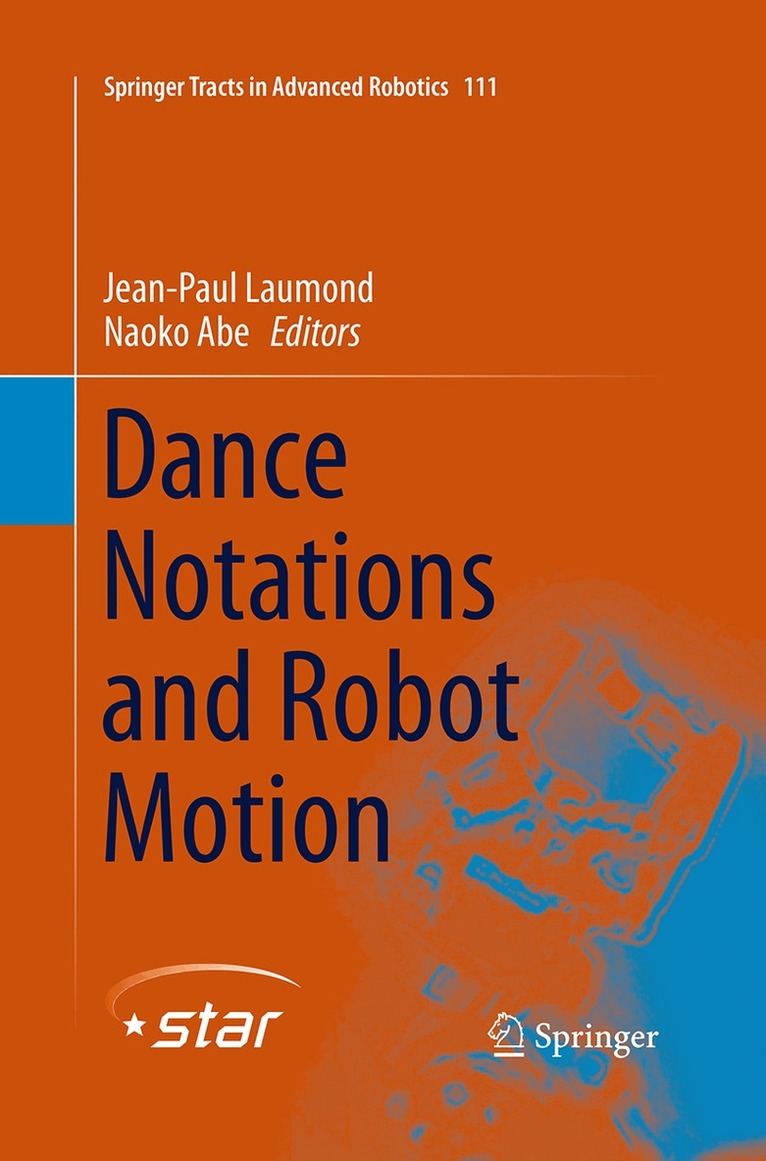
Dance Notations and Robot Motion
Av Jean-Paul Laumond, Naoko Abe
Häftad, 2016
1131 kr
Lägg i varukorg
How and why to write a movement? Who is the writer? Who is the reader? They may be choreographers working with dancers. They may be roboticists programming robots. They may be artists designing cartoons in computer animation. In all such fields the purpose is to express an intention about a dance, …