Naomi Adelson – författare
Visar alla böcker från författaren Naomi Adelson. Handla med fri frakt och snabb leverans.
5 produkter
5 produkter
E-bok
PDF, Engelska, 2013344 kr
Läs direkt efter köp
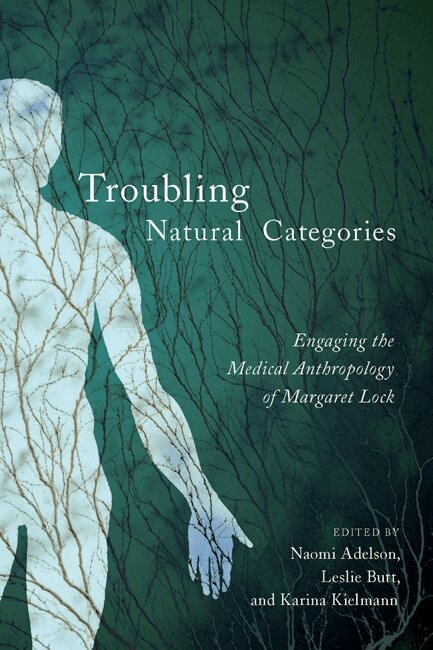
Where do our conventional understandings of health, illness, and the body stem from? What makes them authoritative? How are the boundaries set around these areas of life unsettled in the changing historical and political contexts of science, technology, and health care delivery? These questions are at the heart of Troubling Natural Categories, a collection of essays honouring the tradition of Margaret Lock, one of the preeminent medical anthropologists of our time. Throughout her career, Lock has investigated how medicine sets boundaries around what is deemed "normal" and "natural," and how, in turn, these ideas shape our technical and moral understandings of life, sickness, and death. In this book, nine established medical anthropologists - all former students of Lock - critically engage with her work, offering ethnographic and historical analyses that problematize taken-for-granted constructs in health and medicine in a range of global settings. The essays elaborate cutting-edge themes within medical anthropology, including the often disturbing, inherently political nature of biomedicine and biotechnology, the medicalization of mental health processes, and the formation of uniquely "local biologies" through the convergence of bodily experience, scientific discourse, and new technologies of care. Troubling Natural Categories not only affirms Margaret Lock''s place at the forefront of scholarship but, with these essays, carves out new intellectual directions in the medical social sciences. Contributors include Sean Brotherton, Vinh-Kim Nguyen, Junko Kitanaka, Stephanie Lloyd, Dominique Behague, and Annette Leibing.
344 kr
Läs direkt efter köp
Where do our conventional understandings of health, illness, and the body stem from? What makes them authoritative? How are the boundaries set around these areas of life unsettled in the changing historical and political contexts of science, technology, and health care delivery? These questions are at the heart of Troubling Natural Categories, a collection of essays honouring the tradition of Margaret Lock, one of the preeminent medical anthropologists of our time. Throughout her career, Lock has investigated how medicine sets boundaries around what is deemed "normal" and "natural," and how, in turn, these ideas shape our technical and moral understandings of life, sickness, and death. In this book, nine established medical anthropologists - all former students of Lock - critically engage with her work, offering ethnographic and historical analyses that problematize taken-for-granted constructs in health and medicine in a range of global settings. The essays elaborate cutting-edge themes within medical anthropology, including the often disturbing, inherently political nature of biomedicine and biotechnology, the medicalization of mental health processes, and the formation of uniquely "local biologies" through the convergence of bodily experience, scientific discourse, and new technologies of care. Troubling Natural Categories not only affirms Margaret Lock''s place at the forefront of scholarship but, with these essays, carves out new intellectual directions in the medical social sciences. Contributors include Sean Brotherton, Vinh-Kim Nguyen, Junko Kitanaka, Stephanie Lloyd, Dominique Behague, and Annette Leibing.
Häftad, Engelska, 2000
380 kr
Skickas inom 5-8 vardagar
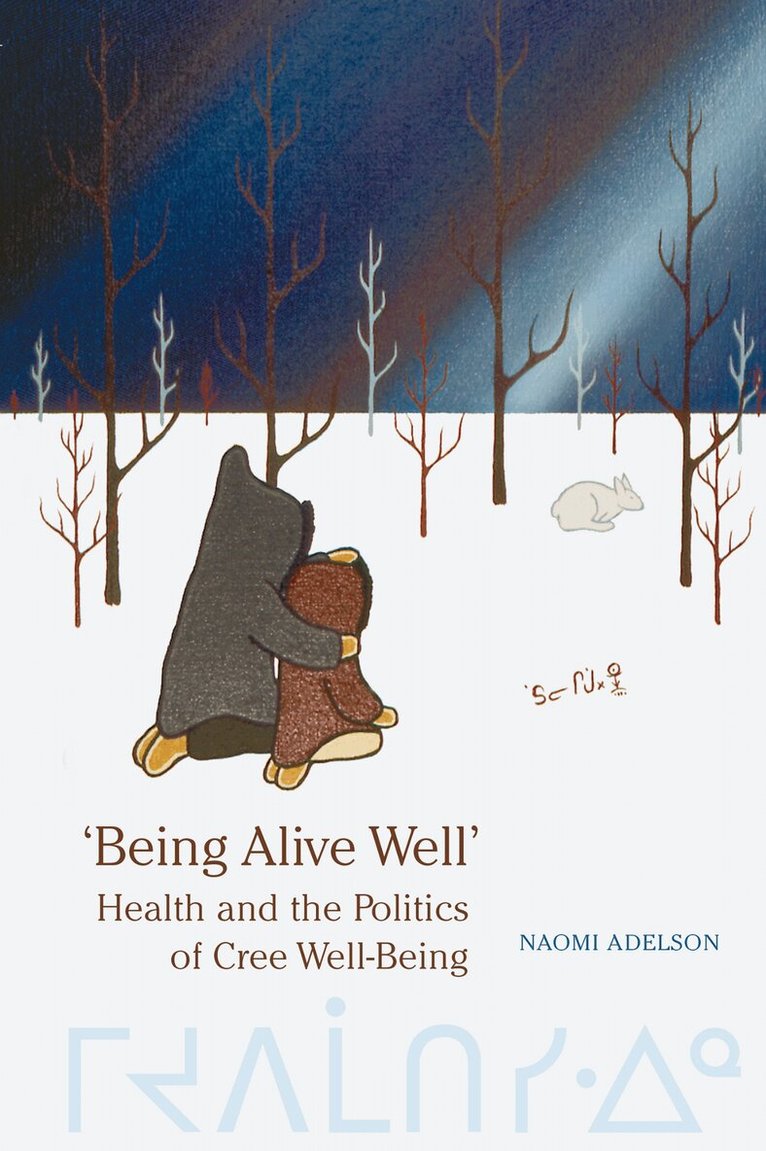
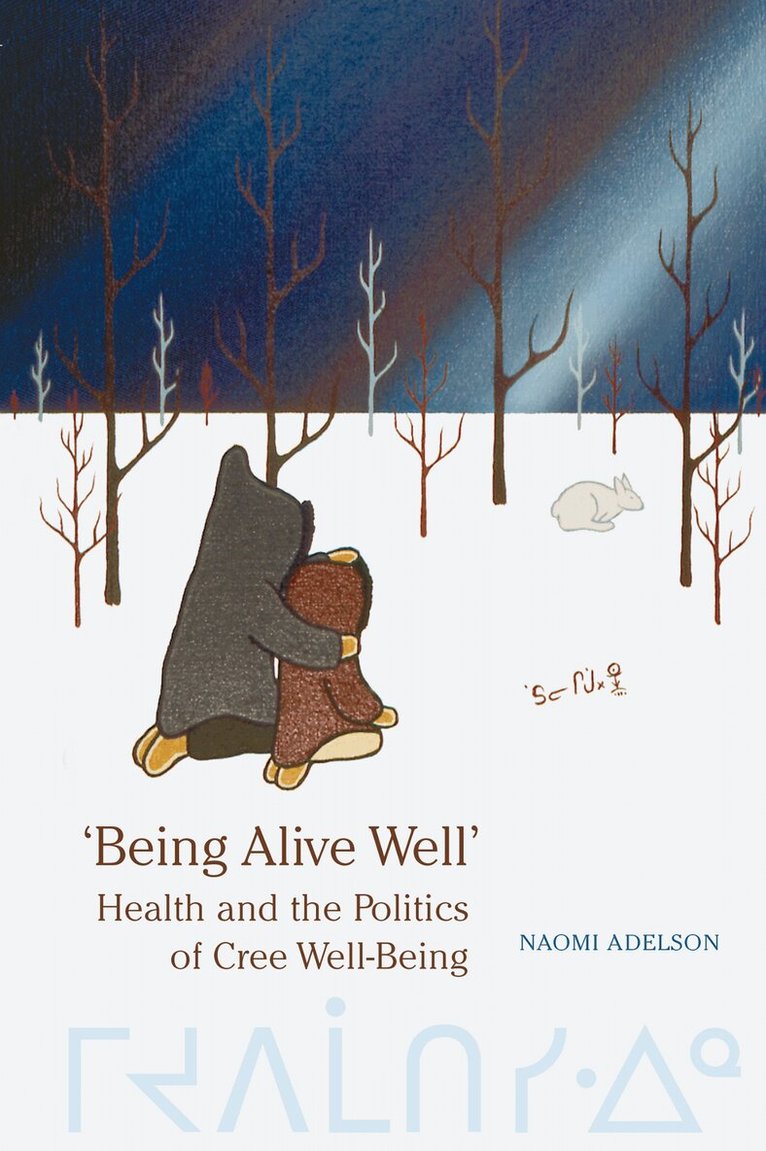
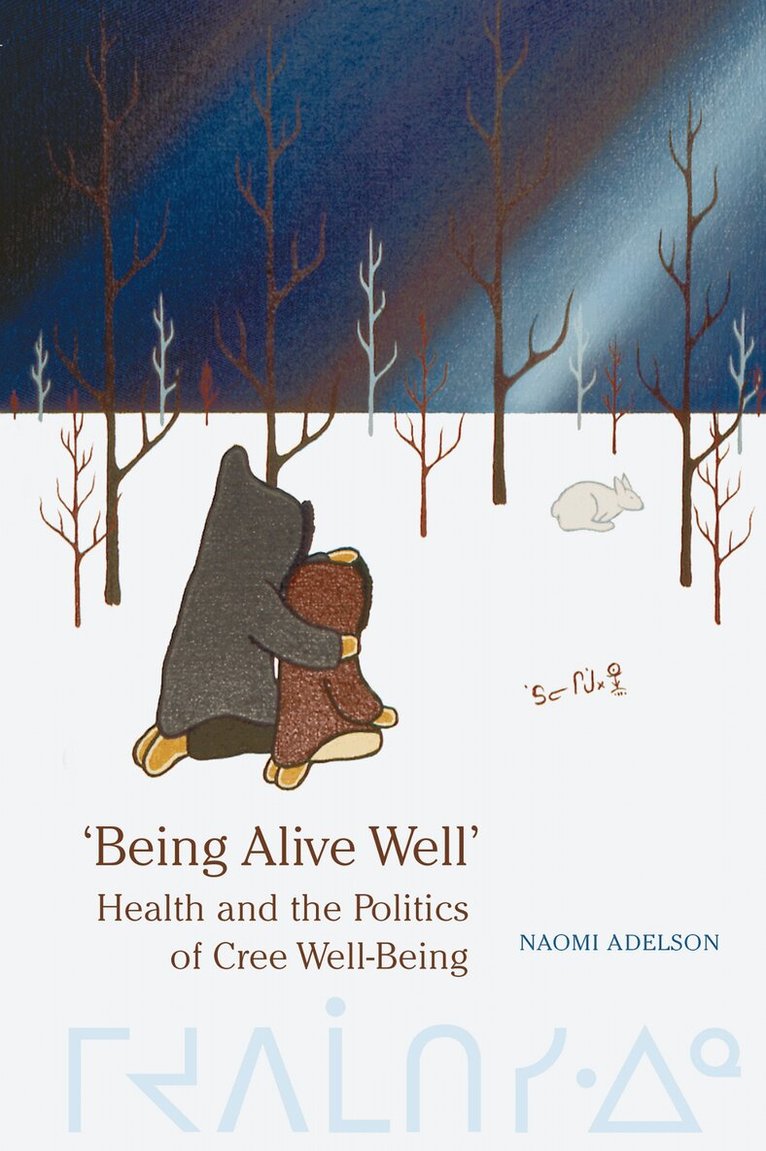
'Being Alive Well': Health and the Politics of Cree Well-Being is a critical medical anthropological analysis of health theory in the social sciences with specific reference to the James Bay Cree of northern Quebec. In it the author argues that definitions of health are not simply reflections of physiological soundness but convey broader cultural and political realities. The book begins with a treatise on the study of health in the social sciences and a call for a broader understanding of the cultural parameters of any definition of health. Following a chapter that outlines the history of the Whapmagoostui (Great Whale River) region and the people, Adelson presents the underlying symbolic foundations of a Cree concept of health, or miyupimaatisiiun. The core of this book is an ethnographic study of the Whapmagoostui Cree and their particular concept of "health" (miyupimaatisiiun or "being alive well"). That concept is mediated by history, cultural practices, and the contemporary world of the Cree, including their fundamental concerns about their land and culture. In the contemporary context, health – or more specifically, "being alive well" – for the Cree of Great Whale is an intimate fusion of social, political, and personal well-being, thus linking individual bodies to a larger socio-political reality.
E-bok
PDF, Engelska, 2000488 kr
Läs direkt efter köp
'Being Alive Well': Health and the Politics of Cree Well-Being is a critical medical anthropological analysis of health theory in the social sciences with specific reference to the James Bay Cree of northern Quebec. In it the author argues that definitions of health are not simply reflections of physiological soundness but convey broader cultural and political realities. The book begins with a treatise on the study of health in the social sciences and a call for a broader understanding of the cultural parameters of any definition of health. Following a chapter that outlines the history of the Whapmagoostui (Great Whale River) region and the people, Adelson presents the underlying symbolic foundations of a Cree concept of health, or miyupimaatisiiun. The core of this book is an ethnographic study of the Whapmagoostui Cree and their particular concept of "health" (miyupimaatisiiun or "being alive well"). That concept is mediated by history, cultural practices, and the contemporary world of the Cree, including their fundamental concerns about their land and culture. In the contemporary context, health – or more specifically, "being alive well" – for the Cree of Great Whale is an intimate fusion of social, political, and personal well-being, thus linking individual bodies to a larger socio-political reality.
E-bok
Engelska, 2000474 kr
Läs direkt efter köp
'Being Alive Well': Health and the Politics of Cree Well-Being is a critical medical anthropological analysis of health theory in the social sciences with specific reference to the James Bay Cree of northern Quebec. In it the author argues that definitions of health are not simply reflections of physiological soundness but convey broader cultural and political realities. The book begins with a treatise on the study of health in the social sciences and a call for a broader understanding of the cultural parameters of any definition of health. Following a chapter that outlines the history of the Whapmagoostui (Great Whale River) region and the people, Adelson presents the underlying symbolic foundations of a Cree concept of health, or miyupimaatisiiun. The core of this book is an ethnographic study of the Whapmagoostui Cree and their particular concept of "health" (miyupimaatisiiun or "being alive well"). That concept is mediated by history, cultural practices, and the contemporary world of the Cree, including their fundamental concerns about their land and culture. In the contemporary context, health – or more specifically, "being alive well" – for the Cree of Great Whale is an intimate fusion of social, political, and personal well-being, thus linking individual bodies to a larger socio-political reality.