Natalia Grincheva - Böcker
Visar alla böcker från författaren Natalia Grincheva. Handla med fri frakt och snabb leverans.
6 produkter
6 produkter
345 kr
Skickas inom 10-15 vardagar
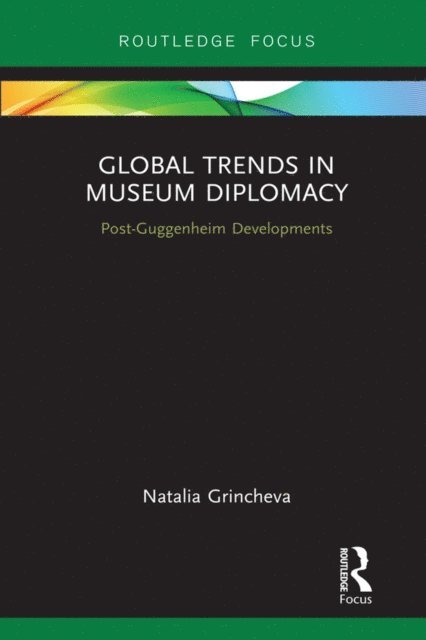
Global Trends in Museum Diplomacy traces the transformation of museums from publicly or privately funded heritage institutions into active players in the economic sector of culture. Exploring how this transformation reconfigured cultural diplomacy, the book argues that museums have become autonomous diplomatic players on the world stage.The book offers a comparative analysis across a range of case studies in order to demonstrate that museums have gone global in the era of neoliberal globalisation. Grincheva focuses first on the Solomon R. Guggenheim Foundation, which is well known for its bold revolutionising strategies of global expansion: museum franchising and global corporatisation. The book then goes on to explore how these strategies were adopted across museums around the world and analyses two cases of post-Guggenheim developments in China and Russia: the K11 Art Mall in Hong Kong and the International Network of Foundations of the State Hermitage Museum in Russia. These cases from more authoritarian political regimes evidence the emergence of alternative avenues of museum diplomacy that no longer depend on government commissions to serve immediate geo-political interests. Global Trends in Museum Diplomacy will be a valuable resource for students, scholars and practitioners of contemporary museology and cultural diplomacy. Documenting new developments in museum diplomacy, the book will be particularly interesting to museum and heritage practitioners and policymakers involved in international exchanges or official programs of cultural diplomacy.
2 103 kr
Skickas inom 10-15 vardagar
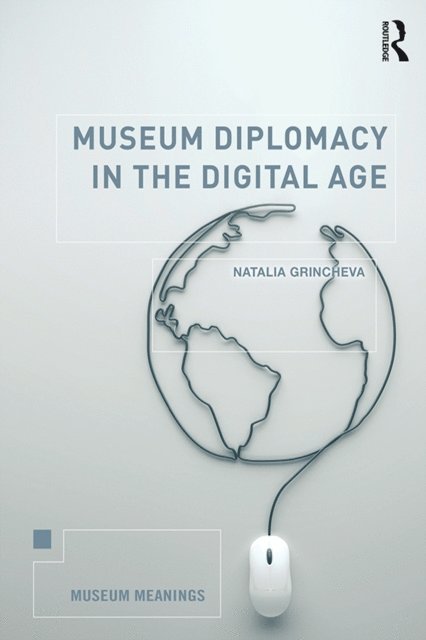
Museum Diplomacy in the Digital Age explores online museums as sites of contemporary cultural diplomacy. Building on scholarship that highlights how museums can constitute and regulate citizens, construct national communities, and project messages across borders, the book explores the political powers of museums in their online spaces. Demonstrating that digital media allow museums to reach far beyond their physical locations, Grincheva investigates whether online audiences are given the tools to co-curate museums and their collections to establish new pathways for international cultural relations, exchange and, potentially, diplomacy. Evaluating the online capacities of museums to exert cultural impacts, the book illuminates how online museum narratives shape audience perceptions and redefine their cultural attitudes and identities.Museum Diplomacy in the Digital Age will be of interest to academics and students teaching or taking courses on museums and heritage, communication and media, cultural studies, cultural diplomacy, international relations and digital humanities. It will also be useful to practitioners around the world who want to learn more about the effect digital museum experiences have on international audiences.
561 kr
Skickas inom 10-15 vardagar
Museum Diplomacy in the Digital Age explores online museums as sites of contemporary cultural diplomacy. Building on scholarship that highlights how museums can constitute and regulate citizens, construct national communities, and project messages across borders, the book explores the political powers of museums in their online spaces. Demonstrating that digital media allow museums to reach far beyond their physical locations, Grincheva investigates whether online audiences are given the tools to co-curate museums and their collections to establish new pathways for international cultural relations, exchange and, potentially, diplomacy. Evaluating the online capacities of museums to exert cultural impacts, the book illuminates how online museum narratives shape audience perceptions and redefine their cultural attitudes and identities.Museum Diplomacy in the Digital Age will be of interest to academics and students teaching or taking courses on museums and heritage, communication and media, cultural studies, cultural diplomacy, international relations and digital humanities. It will also be useful to practitioners around the world who want to learn more about the effect digital museum experiences have on international audiences.
751 kr
Skickas inom 10-15 vardagar
Global Trends in Museum Diplomacy traces the transformation of museums from publicly or privately funded heritage institutions into active players in the economic sector of culture. Exploring how this transformation reconfigured cultural diplomacy, the book argues that museums have become autonomous diplomatic players on the world stage.The book offers a comparative analysis across a range of case studies in order to demonstrate that museums have gone global in the era of neoliberal globalisation. Grincheva focuses first on the Solomon R. Guggenheim Foundation, which is well known for its bold revolutionising strategies of global expansion: museum franchising and global corporatisation. The book then goes on to explore how these strategies were adopted across museums around the world and analyses two cases of post-Guggenheim developments in China and Russia: the K11 Art Mall in Hong Kong and the International Network of Foundations of the State Hermitage Museum in Russia. These cases from more authoritarian political regimes evidence the emergence of alternative avenues of museum diplomacy that no longer depend on government commissions to serve immediate geo-political interests. Global Trends in Museum Diplomacy will be a valuable resource for students, scholars and practitioners of contemporary museology and cultural diplomacy. Documenting new developments in museum diplomacy, the book will be particularly interesting to museum and heritage practitioners and policymakers involved in international exchanges or official programs of cultural diplomacy.
241 kr
Skickas inom 7-10 vardagar
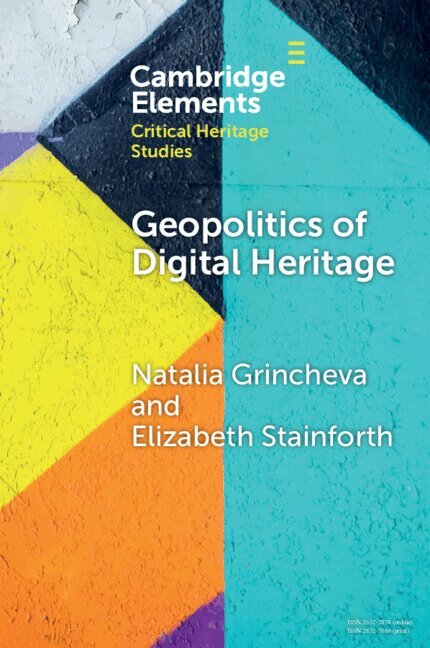
Geopolitics of Digital Heritage analyzes and discusses the political implications of the largest digital heritage aggregators across different scales of governance, from the city-state governed Singapore Memory Project, to a national aggregator like Australia's Trove, to supranational digital heritage platforms, such as Europeana, to the global heritage aggregator, Google Arts & Culture. These four dedicated case studies provide focused, exploratory sites for critical investigation of digital heritage aggregators from the perspective of their geopolitical motivations and interests, the economic and cultural agendas of involved stakeholders, as well as their foreign policy strategies and objectives. The Element employs an interdisciplinary approach and combines critical heritage studies with the study of digital politics and communications. Drawing from empirical case study analysis, it investigates how political imperatives manifest in the development of digital heritage platforms to serve different actors in a highly saturated global information space, ranging from national governments to transnational corporations.
775 kr
Skickas inom 7-10 vardagar
Geopolitics of Digital Heritage analyzes and discusses the political implications of the largest digital heritage aggregators across different scales of governance, from the city-state governed Singapore Memory Project, to a national aggregator like Australia's Trove, to supranational digital heritage platforms, such as Europeana, to the global heritage aggregator, Google Arts & Culture. These four dedicated case studies provide focused, exploratory sites for critical investigation of digital heritage aggregators from the perspective of their geopolitical motivations and interests, the economic and cultural agendas of involved stakeholders, as well as their foreign policy strategies and objectives. The Element employs an interdisciplinary approach and combines critical heritage studies with the study of digital politics and communications. Drawing from empirical case study analysis, it investigates how political imperatives manifest in the development of digital heritage platforms to serve different actors in a highly saturated global information space, ranging from national governments to transnational corporations.