Natalia Magnani – författare
Visar alla böcker från författaren Natalia Magnani. Handla med fri frakt och snabb leverans.
8 produkter
Silent Knowledge
Reviving Embodied Practice in Sápmi
Häftad, 2026
365 kr
Kommande
Silent Knowledge explores a contemporary example of Indigenous cultural revival in Sápmi, the Sámi homeland, to investigate issues of embodied cultural memory. Drawing on ethnographic fieldwork, Natalia Magnani follows a collaboration between Finnish builders and Sääʹm (Skolt Sámi) reindeer herders …
Craft of Belonging
Material Culture and Social Boundaries in Sápmi
Av Matthew Magnani, Natalia Magnani
Inbunden, 2026
667 kr
Lägg i varukorg
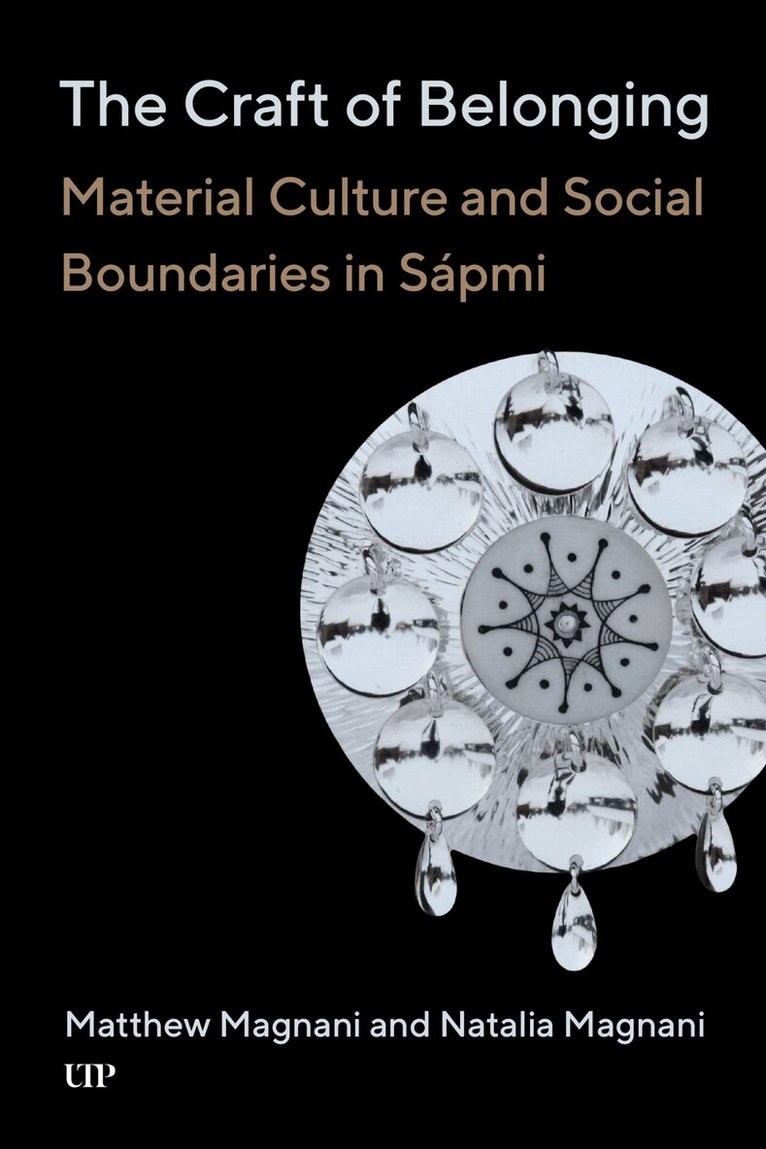
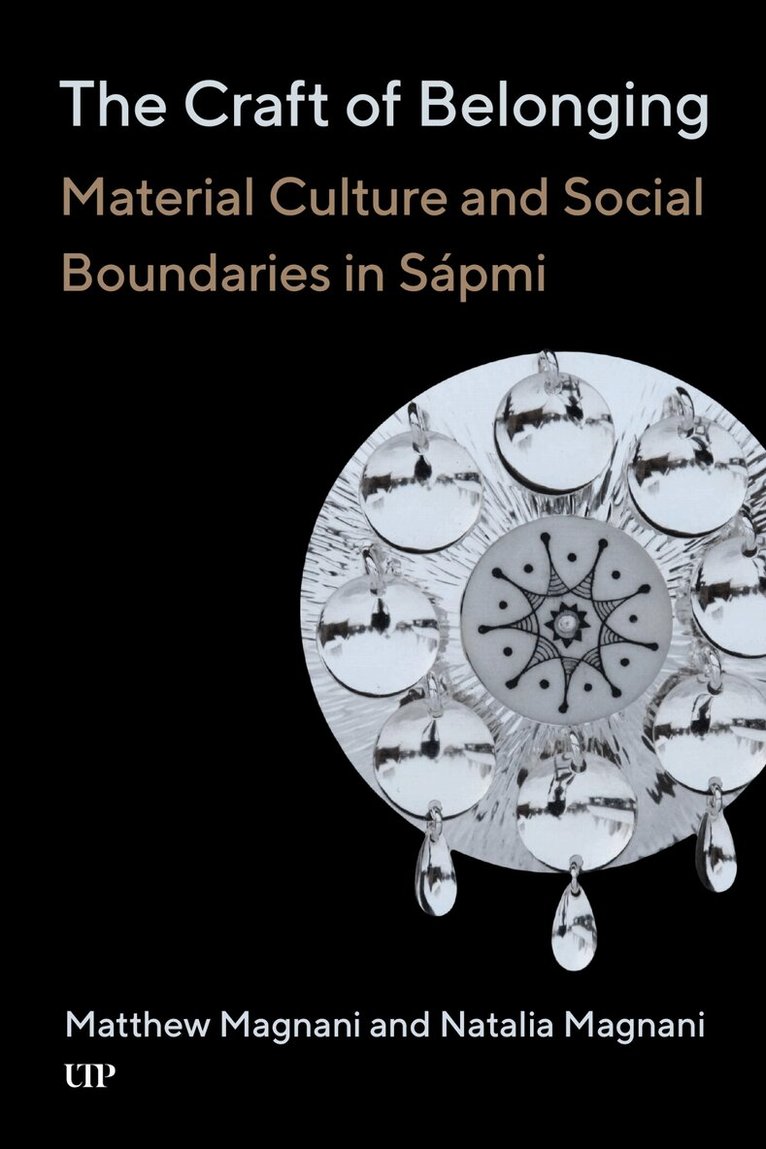
The Craft of Belonging explores the role of craft and its mediation of social boundaries, particularly in communities that are under state pressure. Anthropologists Matthew Magnani and Natalia Magnani blend anthropology and archaeology to explore the role of craft in community-making from …
Craft of Belonging
Material Culture and Social Boundaries in Sápmi
Av Matthew Magnani, Natalia Magnani
Häftad, 2026
378 kr
Lägg i varukorg
The Craft of Belonging explores the role of craft and its mediation of social boundaries, particularly in communities that are under state pressure. Anthropologists Matthew Magnani and Natalia Magnani blend anthropology and archaeology to explore the role of craft in community-making from …
Craft of Belonging
Material Culture and Social Boundaries in Sápmi
Av Natalia Magnani, Matthew Magnani
E-bok, 2026
504 kr
Lägg i varukorg
The Craft of Belonging explores the role of craft and its mediation of social boundaries, particularly in communities that are under state pressure. Anthropologists Matthew Magnani and Natalia Magnani blend anthropology and archaeology to explore the role of craft in community-making from …
Craft of Belonging
Material Culture and Social Boundaries in Sápmi
Av Natalia Magnani, Matthew Magnani
E-bok, 2026
493 kr
Lägg i varukorg
The Craft of Belonging explores the role of craft and its mediation of social boundaries, particularly in communities that are under state pressure. Anthropologists Matthew Magnani and Natalia Magnani blend anthropology and archaeology to explore the role of craft in community-making from prehitory …
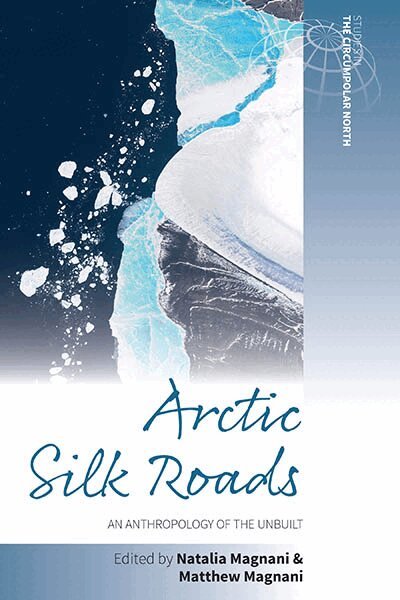
Arctic Silk Roads
An Anthropology of the Unbuilt
Av Natalia Magnani, Matthew Magnani
Inbunden, 2026
1921 kr
Lägg i varukorg
As climate change accelerates, melting sea ice is fueling the global imagination and geopolitical anticipation of the Arctic region’s accessible transport routes and possibilities for resource extraction. “Silk Roads” are being conjured across the Circumpolar North, both as official Arctic and …
Understanding the Energy Transition
Civil society, territory and inequality in Italy
Av Natalia Magnani, Giovanni Carrosio
Inbunden, 2021
664 kr
Lägg i varukorg
The transformation of the dominant model of centralized energy production from fossil fuels to renewable energies is at the center of the public and scientific debate, as well as the subject of national and European policies, as it is connected to highly topical issues such as climate change, …
Understanding the Energy Transition
Civil society, territory and inequality in Italy
Av Giovanni Carrosio, Natalia Magnani
E-bok, 2021
897 kr
Lägg i varukorg
The transformation of the dominant model of centralized energy production from fossil fuels to renewable energies is at the center of the public and scientific debate, as well as the subject of national and European policies, as it is connected to highly topical issues such as climate change, …