Natalia Rylko – författare
Visar alla böcker från författaren Natalia Rylko. Handla med fri frakt och snabb leverans.
10 produkter
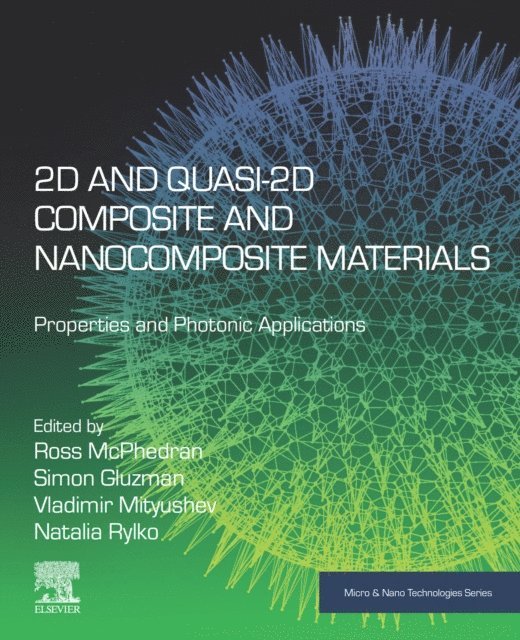
2D and Quasi-2D Composite and Nanocomposite Materials
Properties and Photonic Applications
Av Ross McPhedran, Simon Gluzman m. fl.
Häftad, 2020
2214 kr
Lägg i varukorg
2D and Quasi-2D Composite and Nanocomposite Materials: Theory, Properties and Photonic Applications covers the theory, characterization and computational modeling of 2D composite materials and shows how they are used for the creation of materials for 3D structures The book covers three major …
2D and Quasi-2D Composite and Nanocomposite Materials
Properties and Photonic Applications
Av Natalia Rylko, Vladimir Mityushev m. fl.
E-bok, 2020
3117 kr
Lägg i varukorg
2D and Quasi-2D Composite and Nanocomposite Materials: Theory, Properties and Photonic Applications covers the theory, characterization and computational modeling of 2D composite materials and shows how they are used for the creation of materials for 3D structuresThe book covers three major …
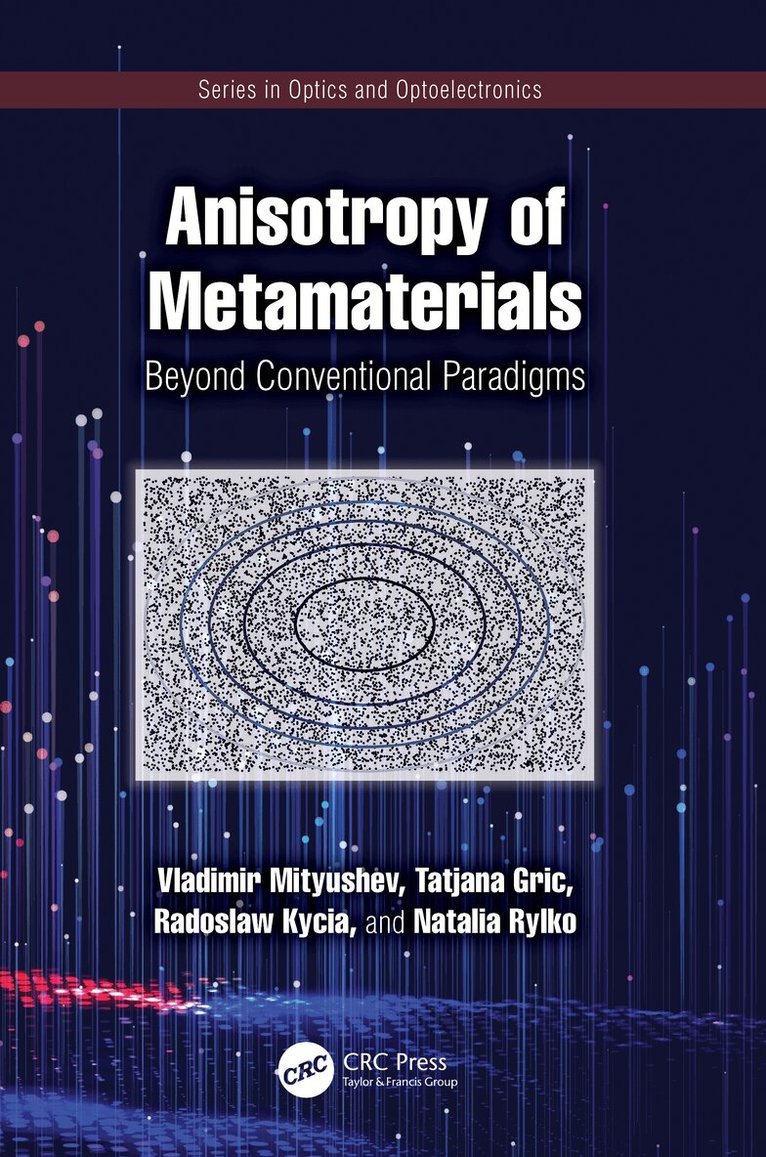
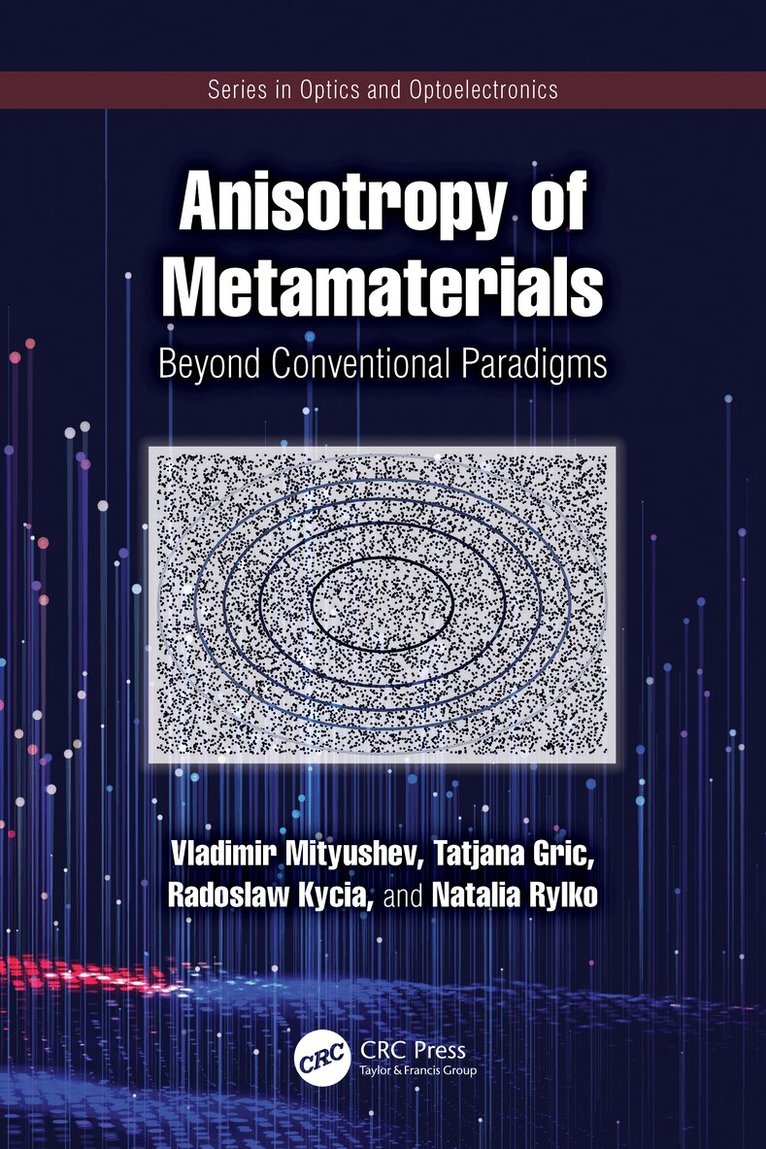
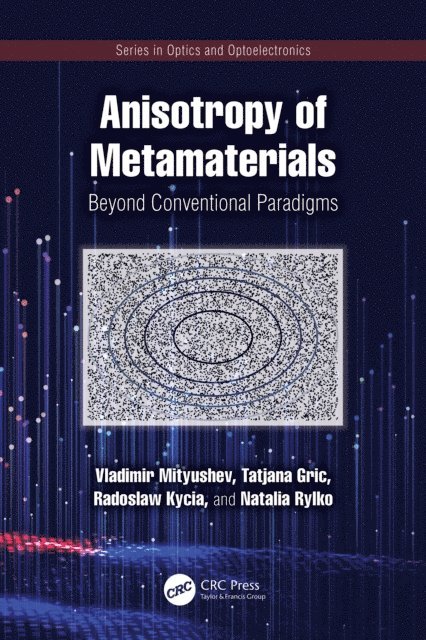
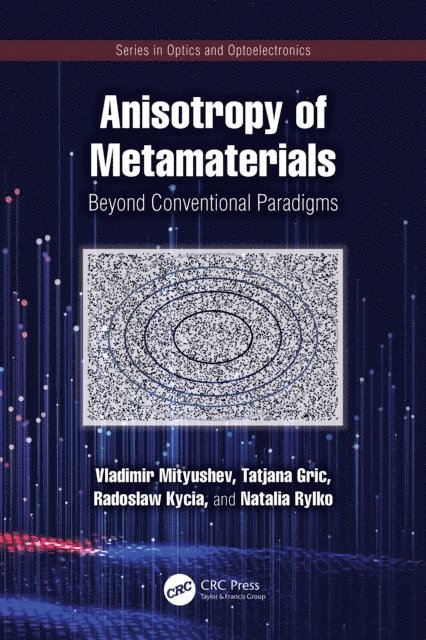
Anisotropy of Metamaterials
Beyond Conventional Paradigms
Av Vladimir Mityushev, Tatjana Gric m. fl.
Inbunden, 2025
2126 kr
Lägg i varukorg
Anisotropy of Metamaterials: Beyond Conventional Paradigms provides a comprehensive introduction to the mathematical modeling of metamaterials based on the macroscopic complex-valued permittivity tensor of dispersed random composites. Key topics include physical and mathematical theory, computer …
Anisotropy of Metamaterials
Beyond Conventional Paradigms
Av Vladimir Mityushev, Tatjana Gric m. fl.
Häftad, 2026
820 kr
Lägg i varukorg
Anisotropy of Metamaterials: Beyond Conventional Paradigms provides a comprehensive introduction to the mathematical modeling of metamaterials based on the macroscopic complex-valued permittivity tensor of dispersed random composites. Key topics include physical and mathematical theory, computer …
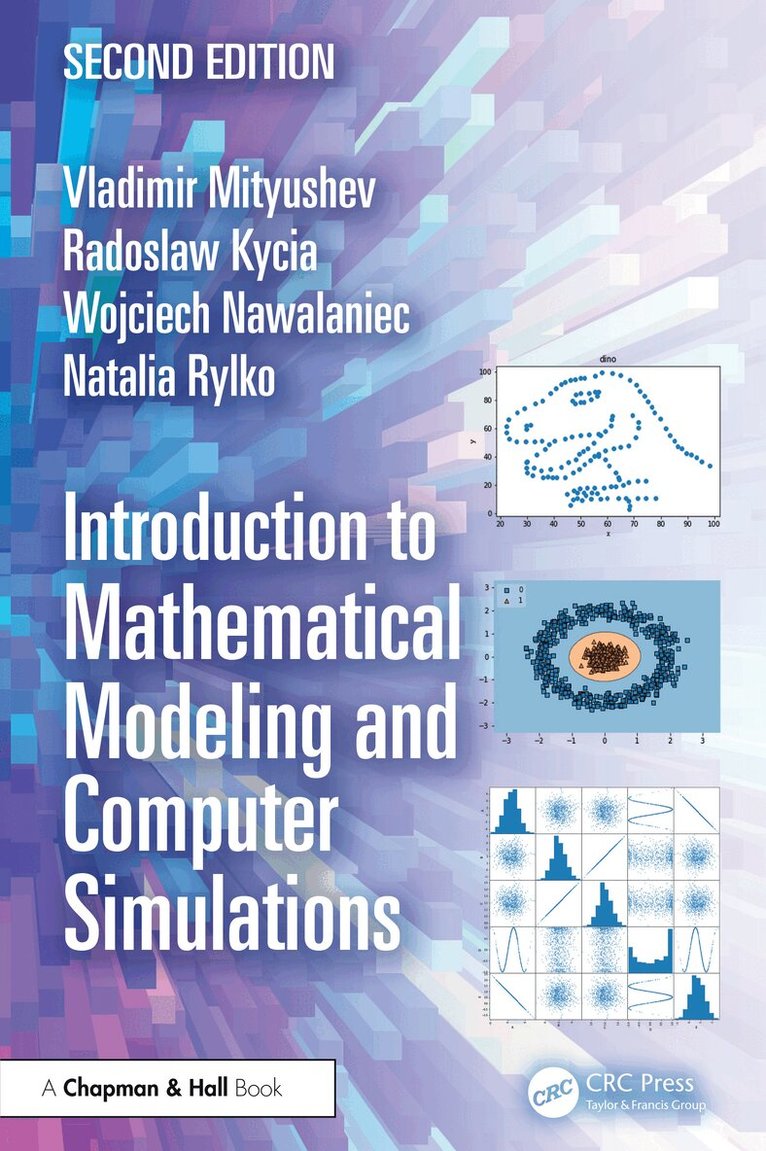
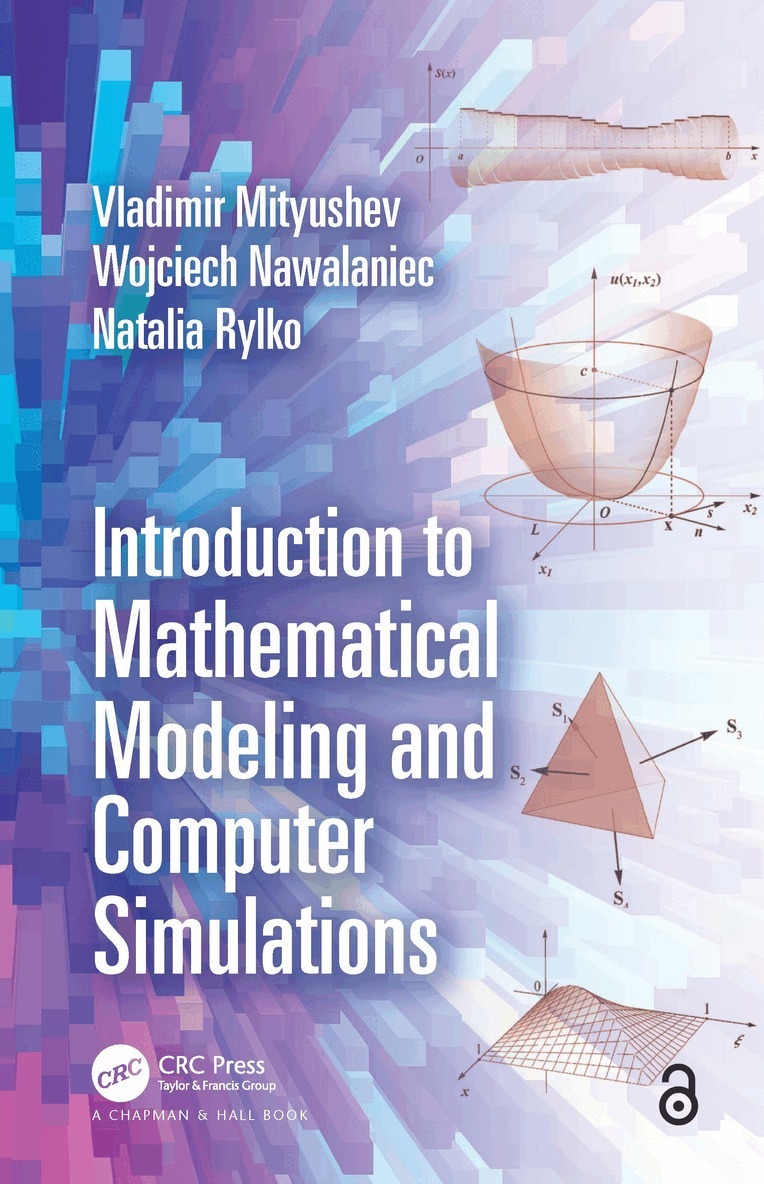
Introduction to Mathematical Modeling and Computer Simulations
Av Vladimir Mityushev, Radoslaw Antoni Kycia m. fl.
Inbunden, 2024
1517 kr
Lägg i varukorg
Introduction to Mathematical Modeling and Computer Simulations, Second Edition continues to serve as an engaging and accessible textbook for undergraduates studying mathematical modeling and computer simulations. The book is heavily focussed on applications, and so may have a particular appeal to …
Introduction to Mathematical Modeling and Computer Simulations
Av Natalia Rylko, Wojciech Nawalaniec m. fl.
E-bok, 2024
1593 kr
Lägg i varukorg
Introduction to Mathematical Modeling and Computer Simulations, Second Edition continues to serve as an engaging and accessible textbook for undergraduates studying mathematical modeling and computer simulations. The book is heavily focussed on applications, and so may have a particular appeal to …
Introduction to Mathematical Modeling and Computer Simulations
Av Natalia Rylko, Wojciech Nawalaniec m. fl.
E-bok, 2024
1593 kr
Lägg i varukorg
Introduction to Mathematical Modeling and Computer Simulations, Second Edition continues to serve as an engaging and accessible textbook for undergraduates studying mathematical modeling and computer simulations. The book is heavily focussed on applications, and so may have a particular appeal to …
Anisotropy of Metamaterials
Beyond Conventional Paradigms
Av Natalia Rylko, Radoslaw Kycia m. fl.
E-bok, 2025
1000 kr
Lägg i varukorg
Anisotropy of Metamaterials: Beyond Conventional Paradigms provides a comprehensive introduction to the mathematical modeling of metamaterials based on the macroscopic complex-valued permittivity tensor of dispersed random composites. Key topics include physical and mathematical theory, computer …
Anisotropy of Metamaterials
Beyond Conventional Paradigms
Av Natalia Rylko, Radoslaw Kycia m. fl.
E-bok, 2025
1022 kr
Lägg i varukorg
Anisotropy of Metamaterials: Beyond Conventional Paradigms provides a comprehensive introduction to the mathematical modeling of metamaterials based on the macroscopic complex-valued permittivity tensor of dispersed random composites. Key topics include physical and mathematical theory, computer …
Introduction to Mathematical Modeling and Computer Simulations
Av Vladimir Mityushev, Wojciech Nawalaniec m. fl.
Inbunden, 2018
1598 kr
Tillfälligt slut
Introduction to Mathematical Modeling and Computer Simulations is written as a textbook for readers who want to understand the main principles of Modeling and Simulations in settings that are important for the applications, without using the profound mathematical tools required by most advanced …