Nathan J. Citino - Böcker
Visar alla böcker från författaren Nathan J. Citino. Handla med fri frakt och snabb leverans.
4 produkter
4 produkter
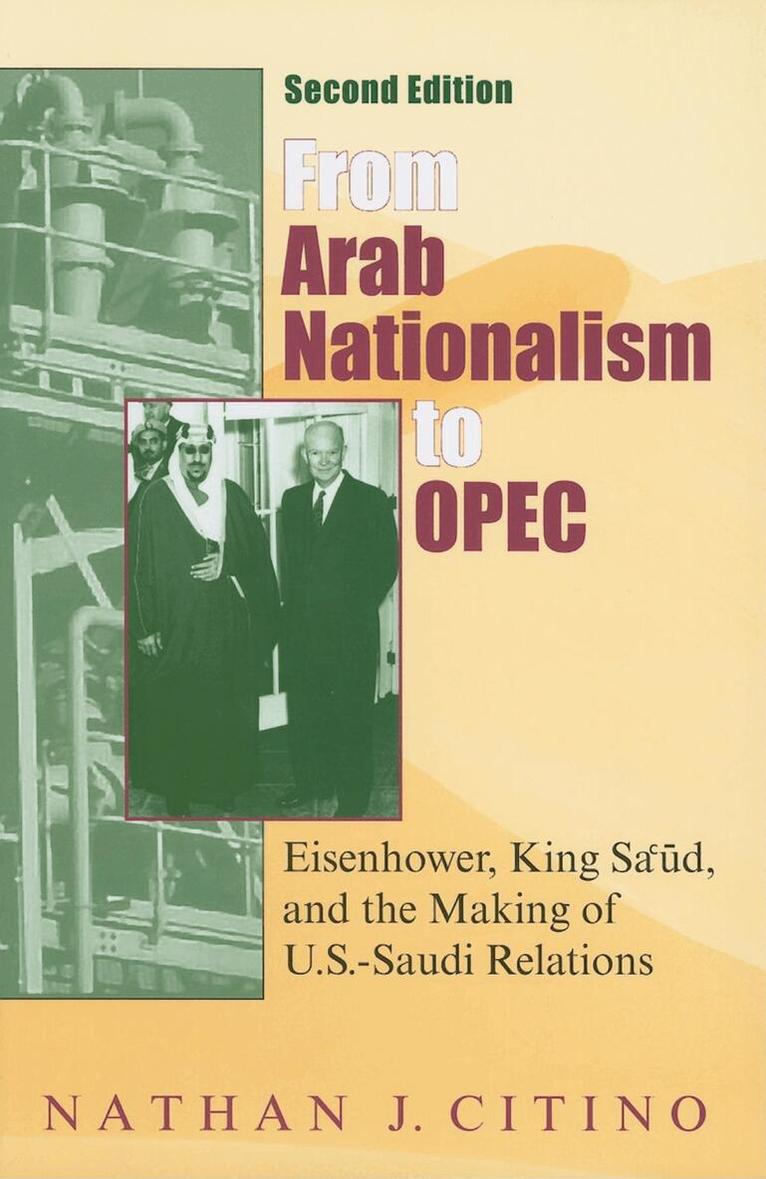
From Arab Nationalism to OPEC, Second Edition
Eisenhower, King Sa'ud, and the Making of U.S.-Saudi Relations
Häftad, Engelska, 2010
296 kr
Skickas inom 10-15 vardagar
As OPEC approaches its 50th anniversary, the paperback edition of Nathan J. Citino's well-received study advances a challenging, revisionist interpretation of U.S.-Saudi relations and OPEC's historical significance. Citino re-examines the relationship between President Eisenhower and King Sa'ūd in the context of the transition from British imperial hegemony to an American capitalist order in the Middle East. He shows how the political realignment that resulted in OPEC ensured that wealth and power subsequently remained in the hands of oil-producing governments. Using American and British archives, corporate records, and Arabic sources, this work reinterprets the foundations of U.S. Middle East policy, the modern Saudi state, and the global politics of oil.
From Arab Nationalism to OPEC, Second Edition
Eisenhower, King Sa'ud, and the Making of U.S.-Saudi Relations
Inbunden, Engelska, 2002
475 kr
Skickas inom 10-15 vardagar
As OPEC approaches its 50th anniversary, the paperback edition of Nathan J. Citino's well-received study advances a challenging, revisionist interpretation of U.S.-Saudi relations and OPEC's historical significance. Citino re-examines the relationship between President Eisenhower and King Sa'ūd in the context of the transition from British imperial hegemony to an American capitalist order in the Middle East. He shows how the political realignment that resulted in OPEC ensured that wealth and power subsequently remained in the hands of oil-producing governments. Using American and British archives, corporate records, and Arabic sources, this work reinterprets the foundations of U.S. Middle East policy, the modern Saudi state, and the global politics of oil.
629 kr
Skickas
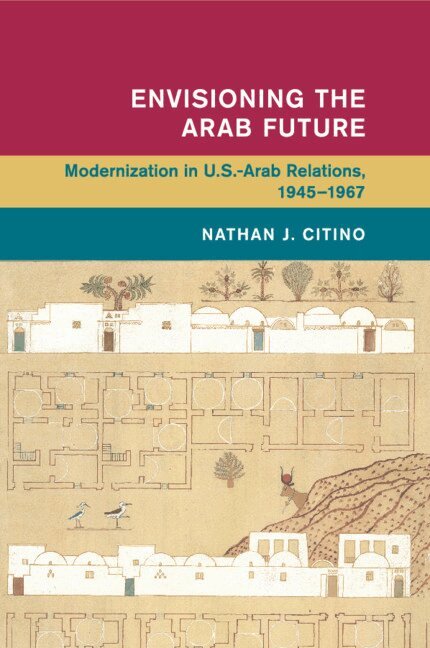
Decades before 9/11 and the 'Arab Spring', US and Arab elites contended over the future of the Middle East. Through unprecedented research in Arabic and English, Envisioning the Arab Future details how Americans and Arabs - nationalists, Islamists, and communists - disputed the meaning of modernization within a shared set of Cold War-era concepts. Faith in linear progress, the idea that society functioned as a 'system', and a fascination with speed united officials and intellectuals who were otherwise divided by language and politics. This book assesses the regional implications of US power while examining a range of topics that transcends the Arab-Israeli conflict, including travel, communities, gender, oil, agriculture, Iraqi nationalism, Nasser's Arab Socialism, and hijackings in both the United States and the Middle East. By uncovering a shared history of modernization between Arabs and Americans, Envisioning the Arab Future challenges assumptions about a 'clash of civilizations' and profoundly reinterprets the antecedents of today's crises.
441 kr
Skickas inom 7-10 vardagar
Decades before 9/11 and the 'Arab Spring', US and Arab elites contended over the future of the Middle East. Through unprecedented research in Arabic and English, Envisioning the Arab Future details how Americans and Arabs - nationalists, Islamists, and communists - disputed the meaning of modernization within a shared set of Cold War-era concepts. Faith in linear progress, the idea that society functioned as a 'system', and a fascination with speed united officials and intellectuals who were otherwise divided by language and politics. This book assesses the regional implications of US power while examining a range of topics that transcends the Arab-Israeli conflict, including travel, communities, gender, oil, agriculture, Iraqi nationalism, Nasser's Arab Socialism, and hijackings in both the United States and the Middle East. By uncovering a shared history of modernization between Arabs and Americans, Envisioning the Arab Future challenges assumptions about a 'clash of civilizations' and profoundly reinterprets the antecedents of today's crises.