Nathan K. Finney – Författare
Visar alla böcker från författaren Nathan K. Finney. Handla med fri frakt och snabb leverans.
2 produkter
2 produkter
613 kr
Skickas inom 10-15 vardagar
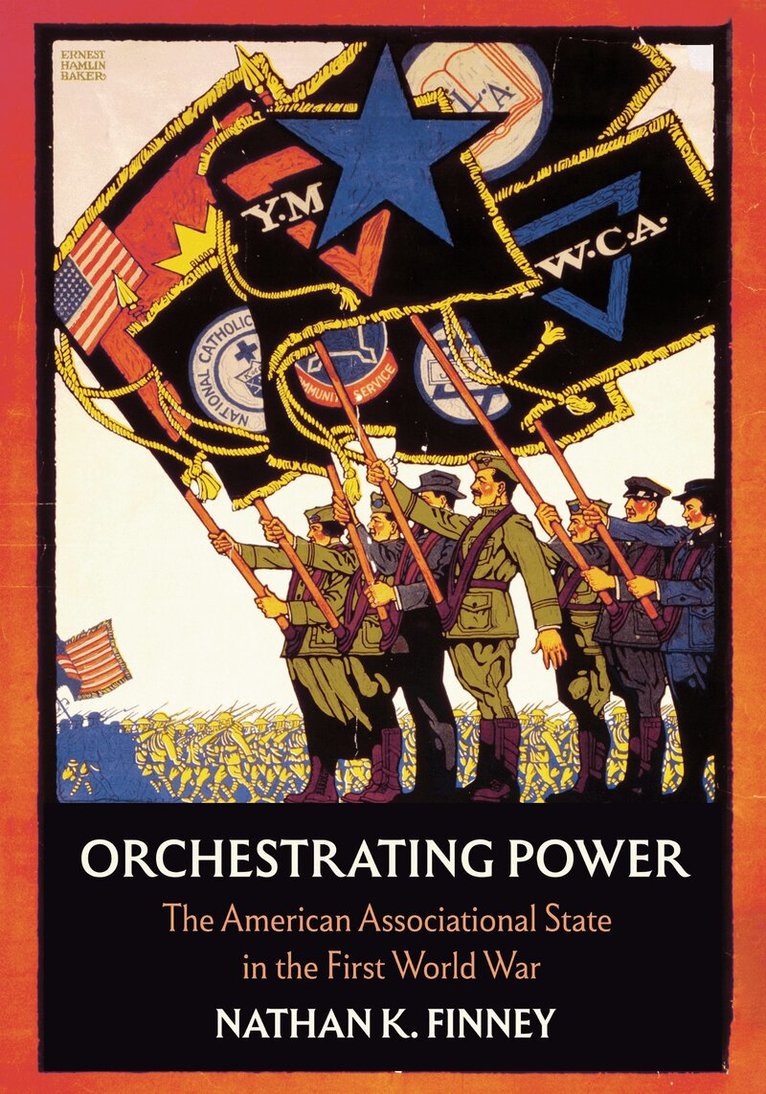
Orchestrating Power explores how the expansion of the American state for the First World War reshaped the nature of governance. This wartime state expansion is examined through the creation, structure, activities, and impact of the Council of Defense system on the ability of the United States to mobilize for a significant conflict in a foreign land. Nathan K. Finney focuses on North Carolina's Council of Defense to describe how the council was mediated by specific people at various levels of society and the results of their decisions. The result is a compelling story about how individuals drove dynamic and compelling regional and national events that propelled a massive national wartime mobilization. Positioned between the national government and the people of North Carolina, the Council of Defense mediated the activities of public, private, and individual efforts in support of mobilization activities. Because of this intermediary positioning, the council was instrumental in expanding state capacity and capability for military and resource mobilization and supporting an increase in the nation's ability to mobilize for the war. The council's intermediary role, however, also allowed those managing the state mobilization to prevent any significant challenge to the state's social and political structures, despite the dynamic changes wrought by the need to mobilize the nation for war. As a result, Orchestrating Power helps us understand the crucial decisions and developments of early twentieth-century America, showing why the country mobilized for war in the specific ways that it did.
277 kr
Skickas inom 5-8 vardagar
This edited collection examines the changing character of military professionalism and the role of ethics in the twenty-first-century military. The authors, who range from uniformed military to academics to non-uniformed professionals on the battlefield, delve into whether the concepts of Samuel Huntington, Morris Janowitz, and Sir John Hackett still apply, how training and continuing education play a role in defining a profession, and if a universal code of ethics is required for the military as a profession. Redefining the Modern Military puts a significant emphasis on individual agency for military professionalism as opposed to broad organizational or cultural change. Redefining the Modern Military works to understand the role of ethics in the military, as well as how to better develop individuals in this often-lethal profession. This book is perfect for the faculty and students in our nation's military academies, ROTC programs, officer commissioning programs, staff schools, and war colleges as they pursue professional military education and develop their own understanding of modern professionalism. Additionally, those that are interested in the military and the development of professionals--both in uniform and out--will find this work engaging and valuable.