Naurice Frank Woods, Jr. - Böcker
Visar alla böcker från författaren Naurice Frank Woods, Jr.. Handla med fri frakt och snabb leverans.
4 produkter
4 produkter
646 kr
Skickas inom 10-15 vardagar
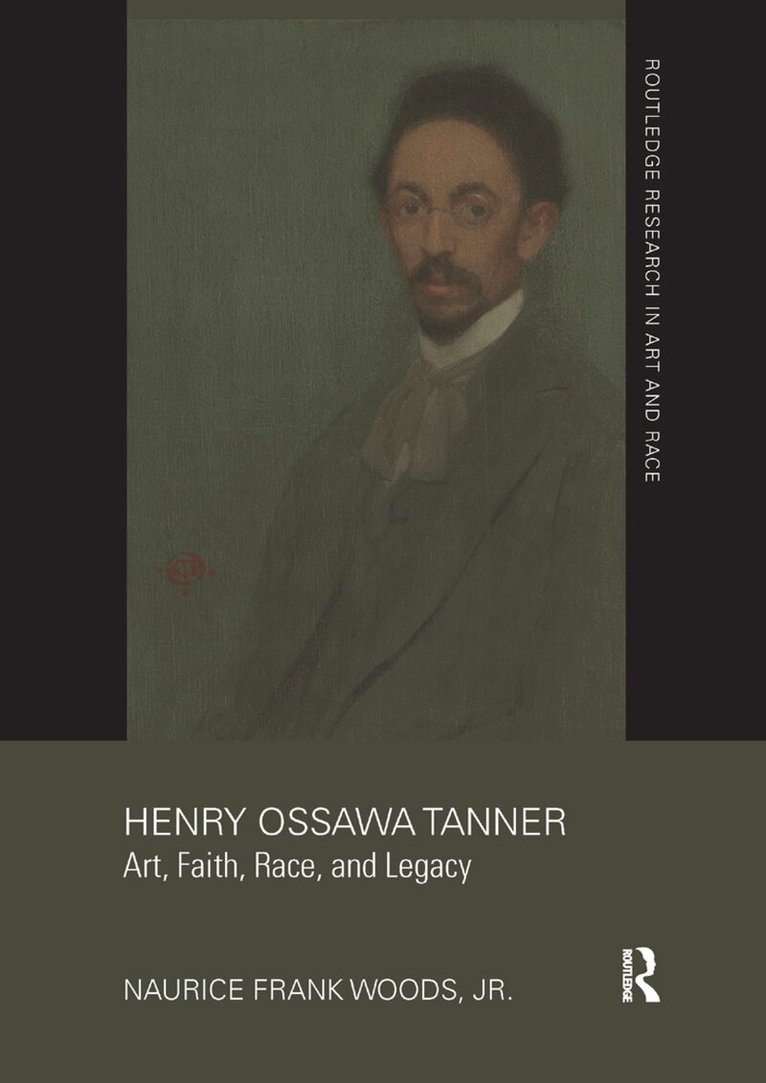
Over the last forty years, renewed interest in the career of Henry Ossawa Tanner (1859–1937) has vaulted him into expanding scholarly discourse on American art. Consequently, he has emerged as the most studied and recognized representative of African American art during the nineteenth century. In fact, Tanner, in the spirit of political correctness and racial inclusiveness, has gained a prominent place in recent textbooks on mainstream American art and his painting, The Banjo Lesson (1893), has become an iconic symbol of black creativity. In addition, Tanner achieved national recognition when the Philadelphia Museum of Art in 1991 and the Pennsylvania Academy of the Fine Arts in 2012 celebrated him with major retrospectives. The latter exhibition brought in a record number of viewers. While Tanner lived a relatively simple life where his faith and family dictated many of the choices he made daily, his emergence as a prominent black artist in the late nineteenth century often thrust him openly into coping with the social complexities inherent with America’s great racial divide. In order to fully appreciate how he negotiated prevailing prejudices to find success, this book places him in the context of a uniquely talented black man experiencing the demands and rewards of nineteenth-century high art and culture. By careful examination on multiple levels previously not detailed, this book adds greatly to existing Tanner scholarship and provides readers with a more complete, richly deserved portrait of this preeminent American master.
2 167 kr
Skickas inom 10-15 vardagar
Over the last forty years, renewed interest in the career of Henry Ossawa Tanner (1859–1937) has vaulted him into expanding scholarly discourse on American art. Consequently, he has emerged as the most studied and recognized representative of African American art during the nineteenth century. In fact, Tanner, in the spirit of political correctness and racial inclusiveness, has gained a prominent place in recent textbooks on mainstream American art and his painting, The Banjo Lesson (1893), has become an iconic symbol of black creativity. In addition, Tanner achieved national recognition when the Philadelphia Museum of Art in 1991 and the Pennsylvania Academy of the Fine Arts in 2012 celebrated him with major retrospectives. The latter exhibition brought in a record number of viewers. While Tanner lived a relatively simple life where his faith and family dictated many of the choices he made daily, his emergence as a prominent black artist in the late nineteenth century often thrust him openly into coping with the social complexities inherent with America’s great racial divide. In order to fully appreciate how he negotiated prevailing prejudices to find success, this book places him in the context of a uniquely talented black man experiencing the demands and rewards of nineteenth-century high art and culture. By careful examination on multiple levels previously not detailed, this book adds greatly to existing Tanner scholarship and provides readers with a more complete, richly deserved portrait of this preeminent American master.
Race and Racism in Nineteenth-Century Art
The Ascendency of Robert Duncanson, Edward Bannister, and Edmonia Lewis
Inbunden, Engelska, 2021
1 214 kr
Skickas inom 10-15 vardagar
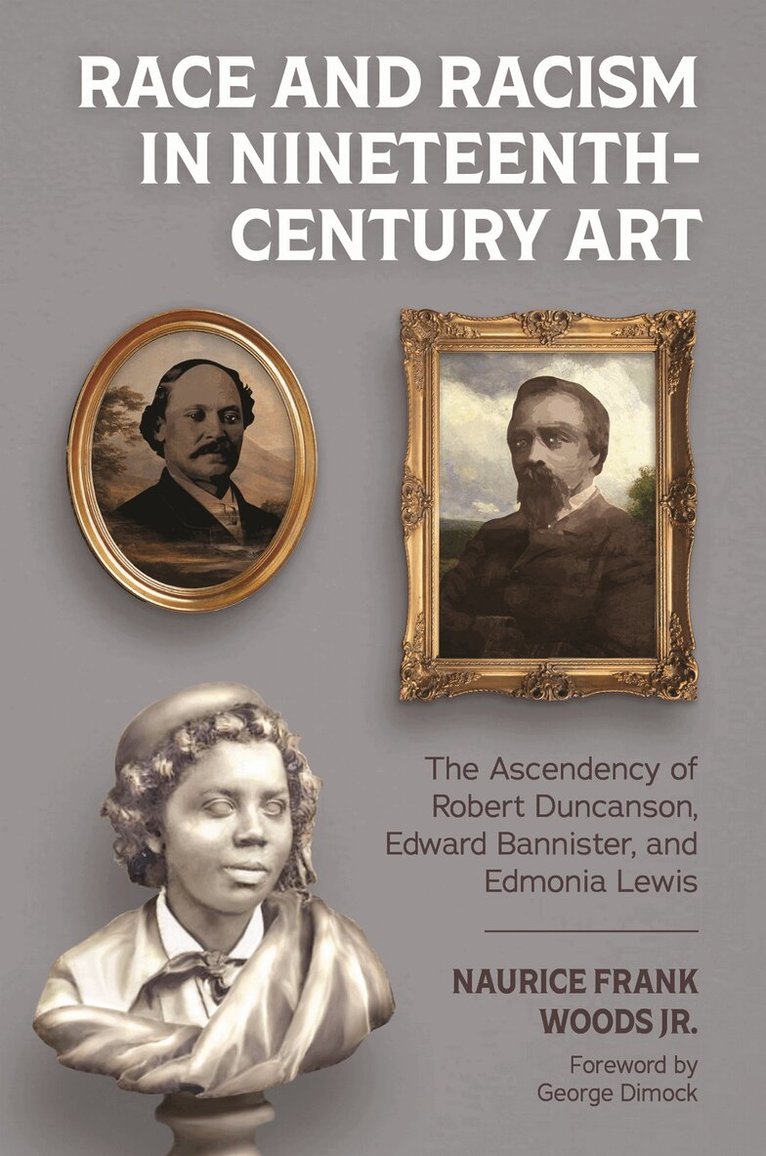
Painters Robert Duncanson (ca. 1821-1872) and Edward Bannister (1828-1901) and sculptor Mary Edmonia Lewis (ca. 1844-1907) each became accomplished African American artists. But as emerging art makers of color during the antebellum period, they experienced numerous incidents of racism that severely hampered their pursuits of a profession that many in the mainstream considered the highest form of social cultivation. Despite barriers imposed upon them due to their racial inheritance, these artists shared a common cause in demanding acceptance alongside their white contemporaries as capable painters and sculptors on local, regional, and international levels.Author Naurice Frank Woods Jr. provides an in-depth examination of the strategies deployed by Duncanson, Bannister, and Lewis that enabled them to not only overcome prevailing race and gender inequality, but also achieve a measure of success that eventually placed them in the top rank of nineteenth-century American art.Unfortunately, the racism that hampered these three artists throughout their careers ultimately denied them their rightful place as significant contributors to the development of American art. Dominant art historians and art critics excluded them in their accounts of the period. In this volume, Woods restores their artistic legacies and redeems their memories, introducing these significant artists to rightful, new audiences.
Race and Racism in Nineteenth-Century Art
The Ascendency of Robert Duncanson, Edward Bannister, and Edmonia Lewis
Häftad, Engelska, 2021
372 kr
Skickas inom 7-10 vardagar
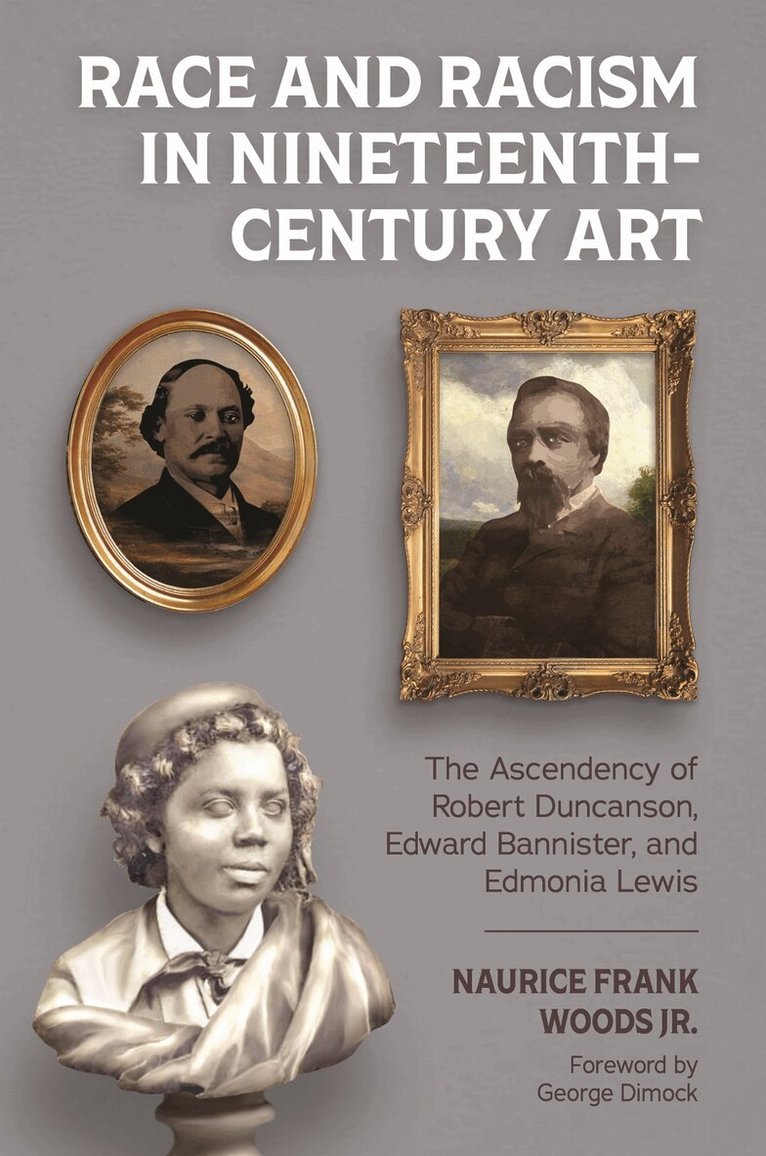
Painters Robert Duncanson (ca. 1821-1872) and Edward Bannister (1828-1901) and sculptor Mary Edmonia Lewis (ca. 1844-1907) each became accomplished African American artists. But as emerging art makers of color during the antebellum period, they experienced numerous incidents of racism that severely hampered their pursuits of a profession that many in the mainstream considered the highest form of social cultivation. Despite barriers imposed upon them due to their racial inheritance, these artists shared a common cause in demanding acceptance alongside their white contemporaries as capable painters and sculptors on local, regional, and international levels.Author Naurice Frank Woods Jr. provides an in-depth examination of the strategies deployed by Duncanson, Bannister, and Lewis that enabled them to not only overcome prevailing race and gender inequality, but also achieve a measure of success that eventually placed them in the top rank of nineteenth-century American art.Unfortunately, the racism that hampered these three artists throughout their careers ultimately denied them their rightful place as significant contributors to the development of American art. Dominant art historians and art critics excluded them in their accounts of the period. In this volume, Woods restores their artistic legacies and redeems their memories, introducing these significant artists to rightful, new audiences.