Nayoung Aimee Kwon - Böcker
Visar alla böcker från författaren Nayoung Aimee Kwon. Handla med fri frakt och snabb leverans.
4 produkter
4 produkter
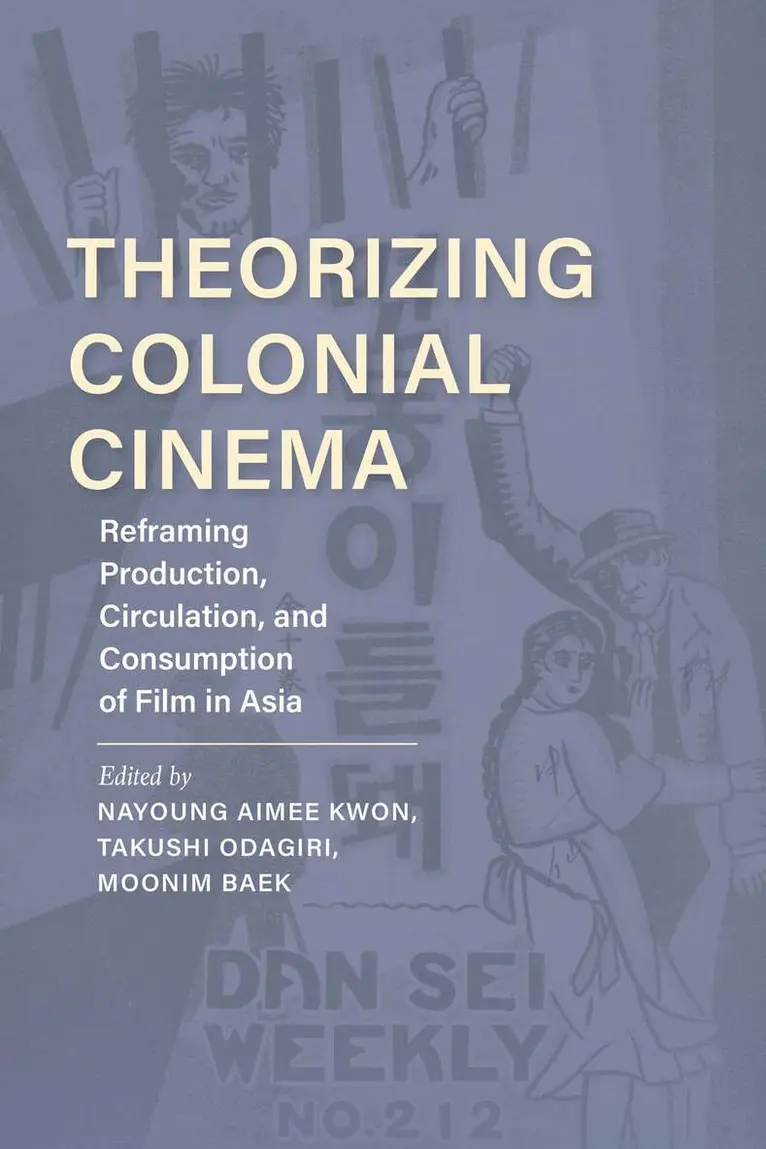
Theorizing Colonial Cinema
Reframing Production, Circulation, and Consumption of Film in Asia
Inbunden, Engelska, 2022
710 kr
Skickas inom 7-10 vardagar
Theorizing Colonial Cinema is a millennial retrospective on the entangled intimacy between film and colonialism from film's global inception to contemporary legacies in and of Asia. The volume engages new perspectives by asking how prior discussions on film form, theory, history, and ideology may be challenged by centering the colonial question rather than relegating it to the periphery. To that end, contributors begin by excavating little-known archives and perspectives from the colonies as a departure from a prevailing focus on Europe's imperial histories and archives about the colonies. The collection pinpoints various forms of devaluation and misrecognition both in and beyond the region that continue to relegate local voices to the margins. This pathbreaking study on global film history advances prior scholarship by bringing together an array of established and new interdisciplinary voices from film studies, Asian studies, and postcolonial studies to consider how the present is continually haunted by the colonial past.Winner of the SCMS Best Edited Collection Award!
Theorizing Colonial Cinema
Reframing Production, Circulation, and Consumption of Film in Asia
Häftad, Engelska, 2022
254 kr
Skickas
Theorizing Colonial Cinema is a millennial retrospective on the entangled intimacy between film and colonialism from film's global inception to contemporary legacies in and of Asia. The volume engages new perspectives by asking how prior discussions on film form, theory, history, and ideology may be challenged by centering the colonial question rather than relegating it to the periphery. To that end, contributors begin by excavating little-known archives and perspectives from the colonies as a departure from a prevailing focus on Europe's imperial histories and archives about the colonies. The collection pinpoints various forms of devaluation and misrecognition both in and beyond the region that continue to relegate local voices to the margins. This pathbreaking study on global film history advances prior scholarship by bringing together an array of established and new interdisciplinary voices from film studies, Asian studies, and postcolonial studies to consider how the present is continually haunted by the colonial past.Winner of the SCMS Best Edited Collection Award!
1 698 kr
Skickas inom 7-10 vardagar
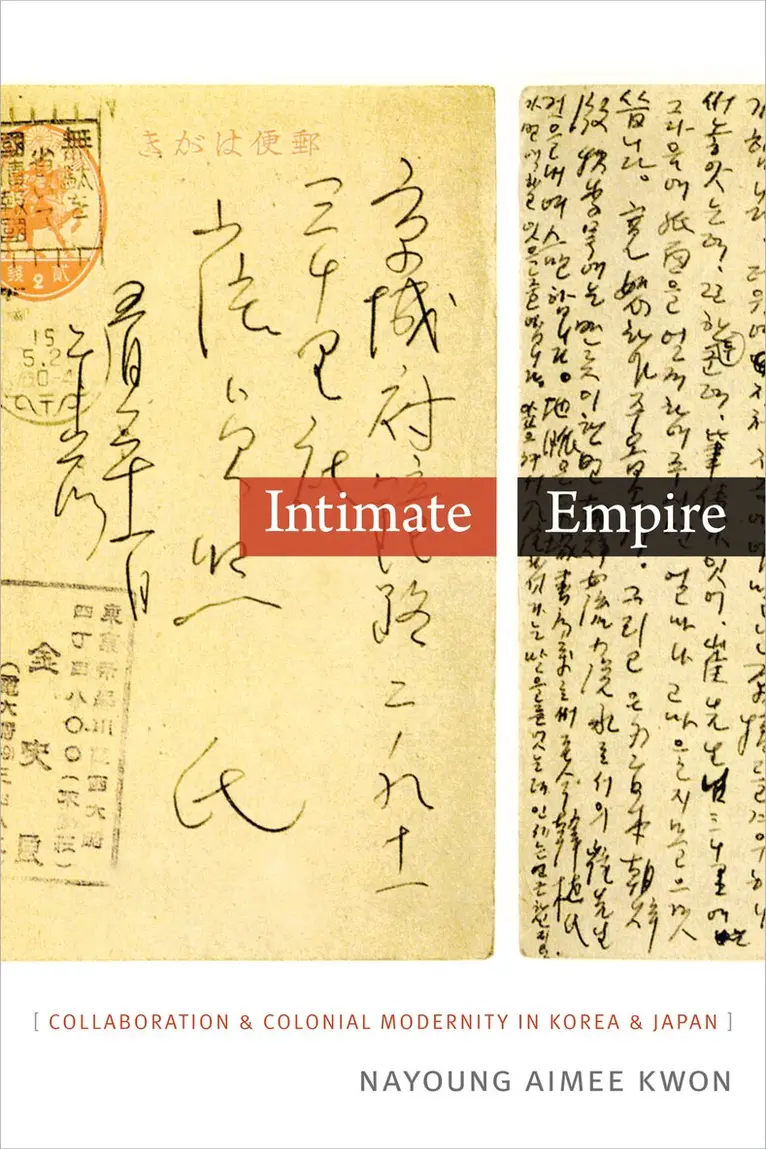
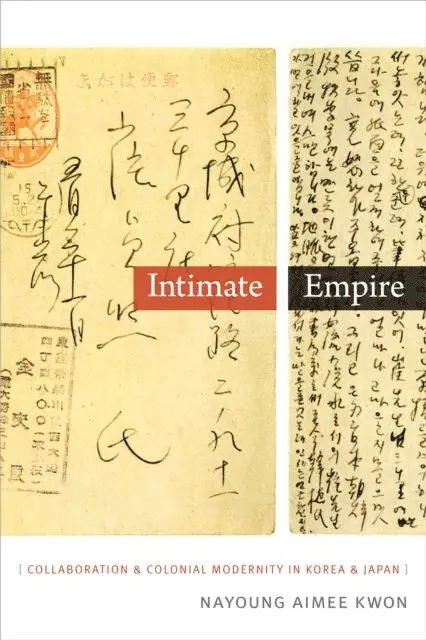
In Intimate Empire Nayoung Aimee Kwon examines intimate cultural encounters between Korea and Japan during the colonial era and their postcolonial disavowal. After the Japanese empire’s collapse in 1945, new nation-centered histories in Korea and Japan actively erased these once ubiquitous cultural interactions that neither side wanted to remember. Kwon reconsiders these imperial encounters and their contested legacies through the rise and fall of Japanese-language literature and other cultural exchanges between Korean and Japanese writers and artists in the Japanese empire. The contrast between the prominence of these and other forums of colonial-era cultural collaboration between the colonizers and the colonized, and their denial in divided national narrations during the postcolonial aftermath, offers insights into the paradoxical nature of colonial collaboration, which Kwon characterizes as embodying desire and intimacy with violence and coercion. Through the case study of the formation and repression of imperial subjects between Korea and Japan, Kwon considers the imbrications of colonialism and modernity and the entwined legacies of colonial and Cold War histories in the Asia-Pacific more broadly.
415 kr
Skickas inom 7-10 vardagar
In Intimate Empire Nayoung Aimee Kwon examines intimate cultural encounters between Korea and Japan during the colonial era and their postcolonial disavowal. After the Japanese empire’s collapse in 1945, new nation-centered histories in Korea and Japan actively erased these once ubiquitous cultural interactions that neither side wanted to remember. Kwon reconsiders these imperial encounters and their contested legacies through the rise and fall of Japanese-language literature and other cultural exchanges between Korean and Japanese writers and artists in the Japanese empire. The contrast between the prominence of these and other forums of colonial-era cultural collaboration between the colonizers and the colonized, and their denial in divided national narrations during the postcolonial aftermath, offers insights into the paradoxical nature of colonial collaboration, which Kwon characterizes as embodying desire and intimacy with violence and coercion. Through the case study of the formation and repression of imperial subjects between Korea and Japan, Kwon considers the imbrications of colonialism and modernity and the entwined legacies of colonial and Cold War histories in the Asia-Pacific more broadly.