Nazneen Kanji - Böcker
Visar alla böcker från författaren Nazneen Kanji. Handla med fri frakt och snabb leverans.
3 produkter
3 produkter
2 088 kr
Skickas inom 10-15 vardagar
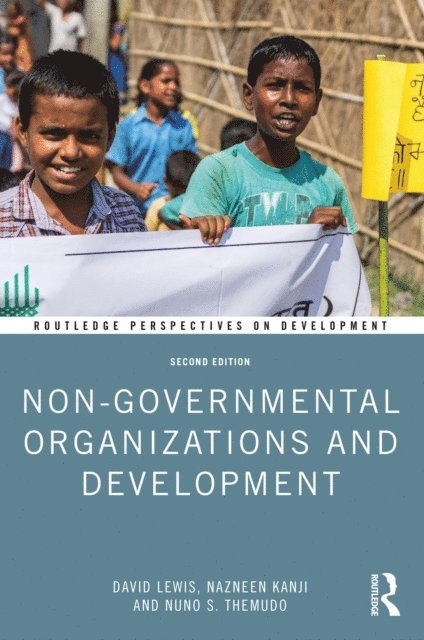
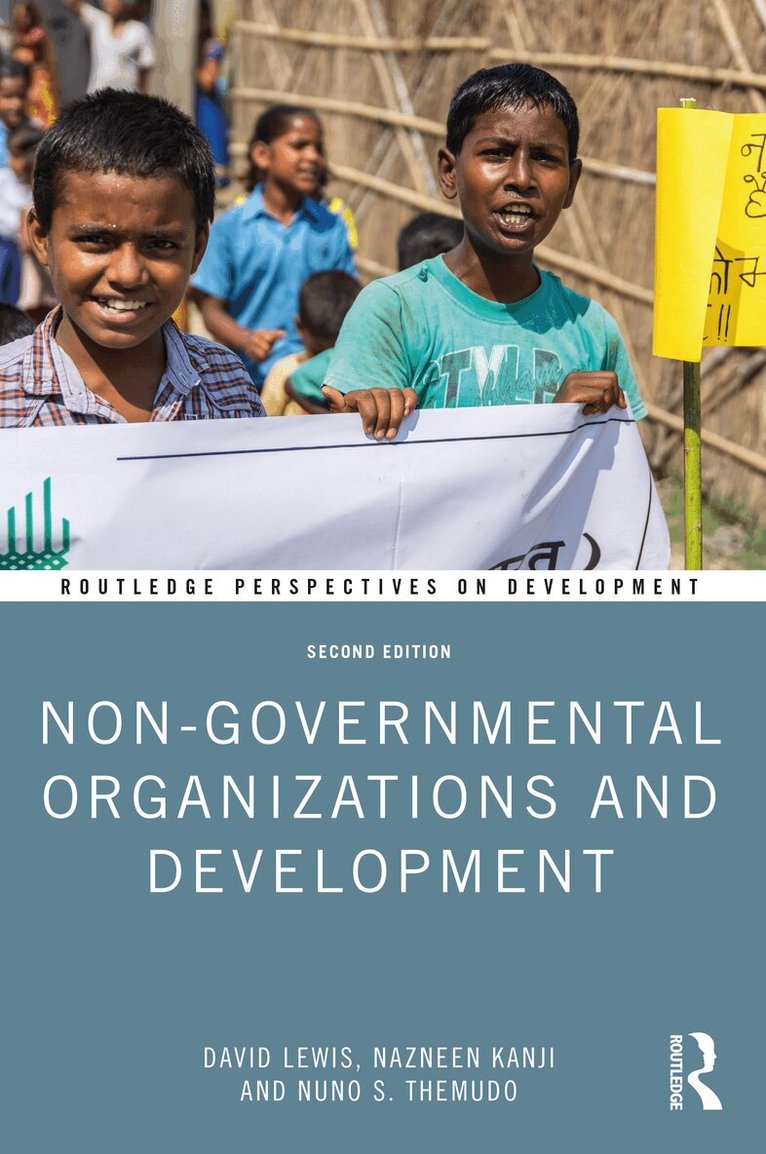
This book is an introduction to the wide-ranging topic of non-governmental organizations (NGOs) and development, combining a critical overview of the main research literature with a set of up-to-date theoretical and practical insights drawn from experience in Asia, Europe, Africa and elsewhere.The revised second edition highlights the continuing importance of NGOs in development, while fully engaging with the criticisms that their increased profile now attracts. It considers issues such as securitization, changing technologies, and recent concerns about safeguarding as well as going into more detail around topics such as market-based development and social enterprise. The diversity of NGOs and their roles is discussed against the broader historical background of struggles for social justice in different societies, as well as within the shifting ideological contexts of neoliberalism and populism. Using a broad range of short case studies of both successful and unsuccessful interventions, the authors analyze how interest in NGOs has both reflected and informed wider theoretical trends and debates within development studies. The book argues that NGOs are central to both development theory and practice and are likely to remain important actors for many years to come.This critical overview will be useful to students of development studies at undergraduate and master's levels in fields and disciplines as diverse as International Development Studies, International Relations, Geography, Anthropology, Global Studies, Politics and International Studies, as well as general readers and practitioners.
535 kr
Skickas inom 10-15 vardagar
This book is an introduction to the wide-ranging topic of non-governmental organizations (NGOs) and development, combining a critical overview of the main research literature with a set of up-to-date theoretical and practical insights drawn from experience in Asia, Europe, Africa and elsewhere.The revised second edition highlights the continuing importance of NGOs in development, while fully engaging with the criticisms that their increased profile now attracts. It considers issues such as securitization, changing technologies, and recent concerns about safeguarding as well as going into more detail around topics such as market-based development and social enterprise. The diversity of NGOs and their roles is discussed against the broader historical background of struggles for social justice in different societies, as well as within the shifting ideological contexts of neoliberalism and populism. Using a broad range of short case studies of both successful and unsuccessful interventions, the authors analyze how interest in NGOs has both reflected and informed wider theoretical trends and debates within development studies. The book argues that NGOs are central to both development theory and practice and are likely to remain important actors for many years to come.This critical overview will be useful to students of development studies at undergraduate and master's levels in fields and disciplines as diverse as International Development Studies, International Relations, Geography, Anthropology, Global Studies, Politics and International Studies, as well as general readers and practitioners.
381 kr
Skickas inom 10-15 vardagar
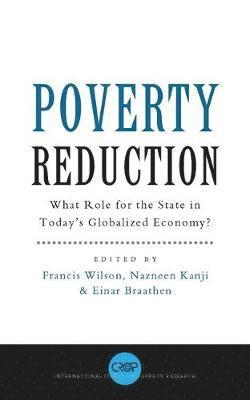
Poverty and social exclusion have moved up the international policy agenda, in step with the ever more obvious failure of development to reduce mass immiseration and the growing gulf of inequality which latterday capitalism has created. In this volume, local and international scholars, acknowledging that the 'trickle down' and 'natural' processes of the market do not provide a remedy, turn the spotlight on the state.In a series of general explorations of the issues involved and specific investigations in particular countries, mainly in Southern and Central Africa, they explore theoretically and empirically the difficult questions around how much can be expected of the state in poverty reduction. What political and cultural dimensions of the state need to be taken into account when considering how it should help shape activity in society? How is the role of power best analysed when considering strategies to reduce poverty? What is the meaning of pro-poor governance? What can be expected of specific interventions by government? How is the concept of citizenship incorporated in poverty reduction programmes?This volume makes two major contributions. It provides a rich seam of up-to-date information on the incidence and forms of poverty in Southern and Central Africa and the great variety of strategies and programmes by governments, aid agencies and international institutions to tackle it. Even more importantly, it throws light on the general questions, indeed the limitations and obstacles, around expecting too much of governments.