Nebojša Blanuša – författare
Visar alla böcker från författaren Nebojša Blanuša. Handla med fri frakt och snabb leverans.
4 produkter
4 produkter
596 kr
Kommande
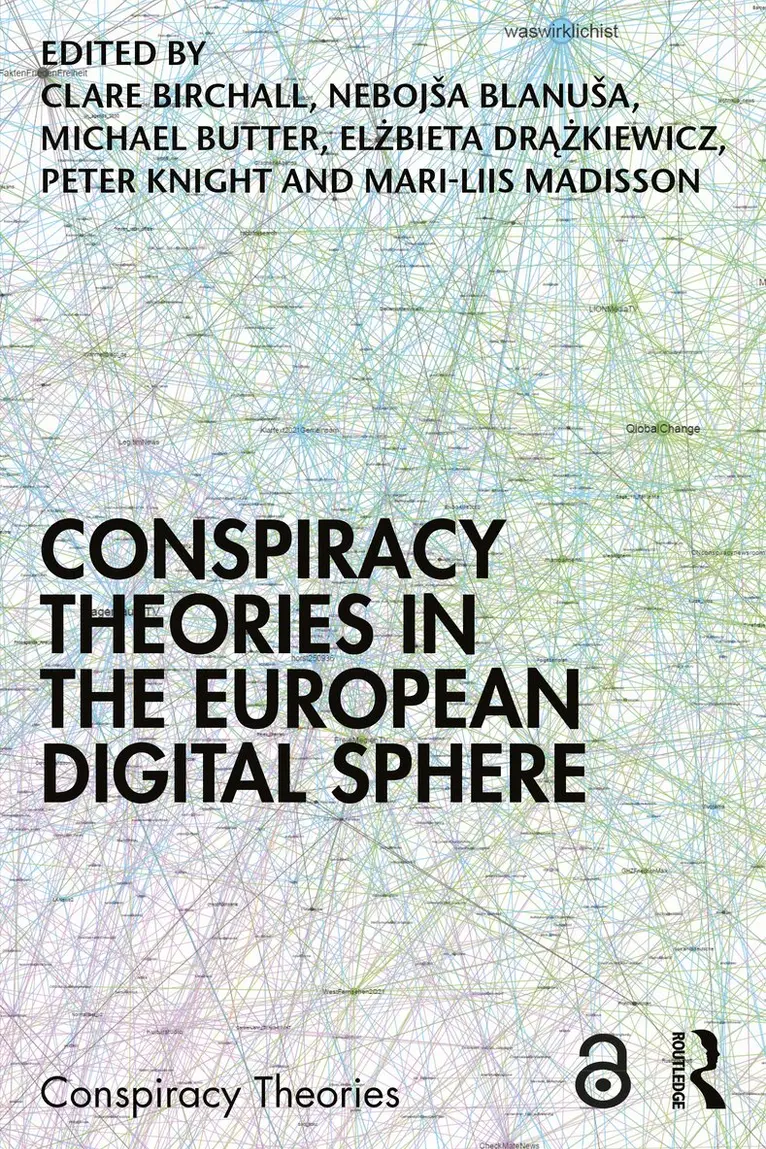
Conspiracy Theories in the European Digital Sphere offers a comparative account of online conspiracism, considered in terms of platform preferences, ideological content, aesthetic choices, political context, flow of travel and the role online conspiracism plays in the formation of community and identity.The book examines the assumptions that inform current ways of framing and combatting online conspiracy theories. Rather than approach online conspiracy theories as merely a symptom of post-truth social media, or as simply a problem of either too little or false information and, therefore, as the same as other forms of mis- and disinformation that can be more easily corrected, the book proposes that online conspiracy theories need to be understood as a distinctive mode of digital disinformation because they are a vernacular knowledge and interpretation rooted in, engaged with and defined by regional and supra-regional political histories. The book is concerned with how experiences with freedom of speech, the role of the press, democratic and epistemological norms, levels of state control, conflict, authoritarianism and propaganda shape online conspiracy theories and the response to them.This book is methodologically ambitious, combining quantitative and qualitative approaches, and will appeal to anyone interested in conspiracy theories, misinformation, culture wars, social media and contemporary society.
2 182 kr
Kommande
Conspiracy Theories in the European Digital Sphere offers a comparative account of online conspiracism, considered in terms of platform preferences, ideological content, aesthetic choices, political context, flow of travel and the role online conspiracism plays in the formation of community and identity.The book examines the assumptions that inform current ways of framing and combatting online conspiracy theories. Rather than approach online conspiracy theories as merely a symptom of post-truth social media, or as simply a problem of either too little or false information and, therefore, as the same as other forms of mis- and disinformation that can be more easily corrected, the book proposes that online conspiracy theories need to be understood as a distinctive mode of digital disinformation because they are a vernacular knowledge and interpretation rooted in, engaged with and defined by regional and supra-regional political histories. The book is concerned with how experiences with freedom of speech, the role of the press, democratic and epistemological norms, levels of state control, conflict, authoritarianism and propaganda shape online conspiracy theories and the response to them.This book is methodologically ambitious, combining quantitative and qualitative approaches, and will appeal to anyone interested in conspiracy theories, misinformation, culture wars, social media and contemporary society.
1 758 kr
Skickas inom 10-15 vardagar
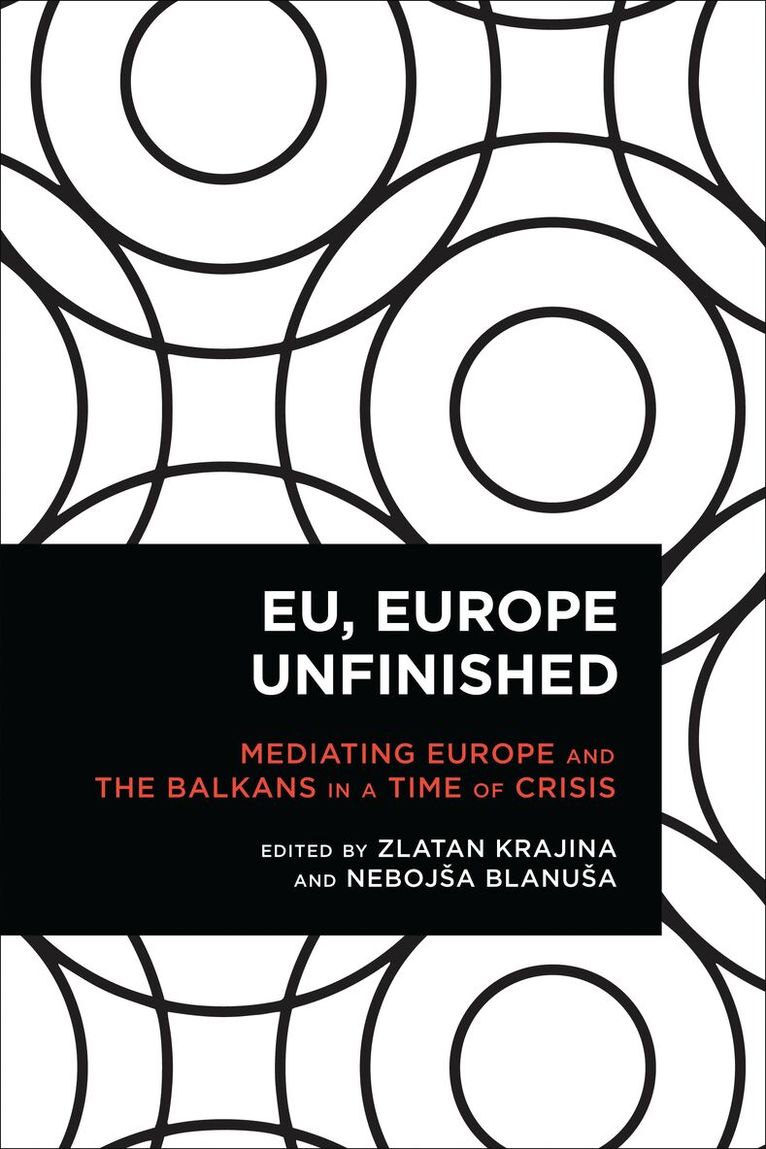
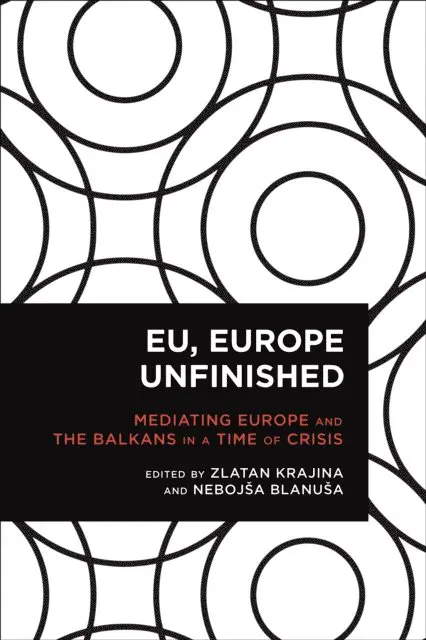
What is the meaning of the Balkans in the early 21st century? Former Yugoslav countries seek a self-flattering alliance with ‘the West’ via EU membership, while the Union’s citizens increasingly declare to be ‘Eurosceptic’. At the same time, economic turmoil in countries like Greece confronts massive incoming waves of refugees, for whom Europe’s south-eastern borders are the nearest shelter. In this time of crisis, the Balkans return on the agenda as a parable of Europe’s haunting questions about its future.EU, Europe Unfinished brings together established and emerging media and cultural scholars to explore colliding visions of space and identity within a declining continent. Whereas Europe imagines the Balkans to be the source of its nearest trouble, the region envisions Europe as a refuge from ongoing post-socialist transition. The book adopts a variety of critical perspectives – from media and policy analysis to anthropology, art history and autobiography – to investigate where Europe is headed with the Balkans in its skein, 25 years after the fall of the Iron Curtain.
600 kr
Skickas inom 10-15 vardagar
What is the meaning of the Balkans in the early 21st century? Former Yugoslav countries seek a self-flattering alliance with ‘the West’ via EU membership, while the Union’s citizens increasingly declare to be ‘Eurosceptic’. At the same time, economic turmoil in countries like Greece confronts massive incoming waves of refugees, for whom Europe’s south-eastern borders are the nearest shelter. In this time of crisis, the Balkans return on the agenda as a parable of Europe’s haunting questions about its future.EU, Europe Unfinished brings together established and emerging media and cultural scholars to explore colliding visions of space and identity within a declining continent. Whereas Europe imagines the Balkans to be the source of its nearest trouble, the region envisions Europe as a refuge from ongoing post-socialist transition. The book adopts a variety of critical perspectives – from media and policy analysis to anthropology, art history and autobiography – to investigate where Europe is headed with the Balkans in its skein, 25 years after the fall of the Iron Curtain.