Nebojsa Jakica – författare
Visar alla böcker från författaren Nebojsa Jakica. Handla med fri frakt och snabb leverans.
4 produkter
4 produkter
Inbunden, Engelska, 2022
1 904 kr
Skickas inom 10-15 vardagar
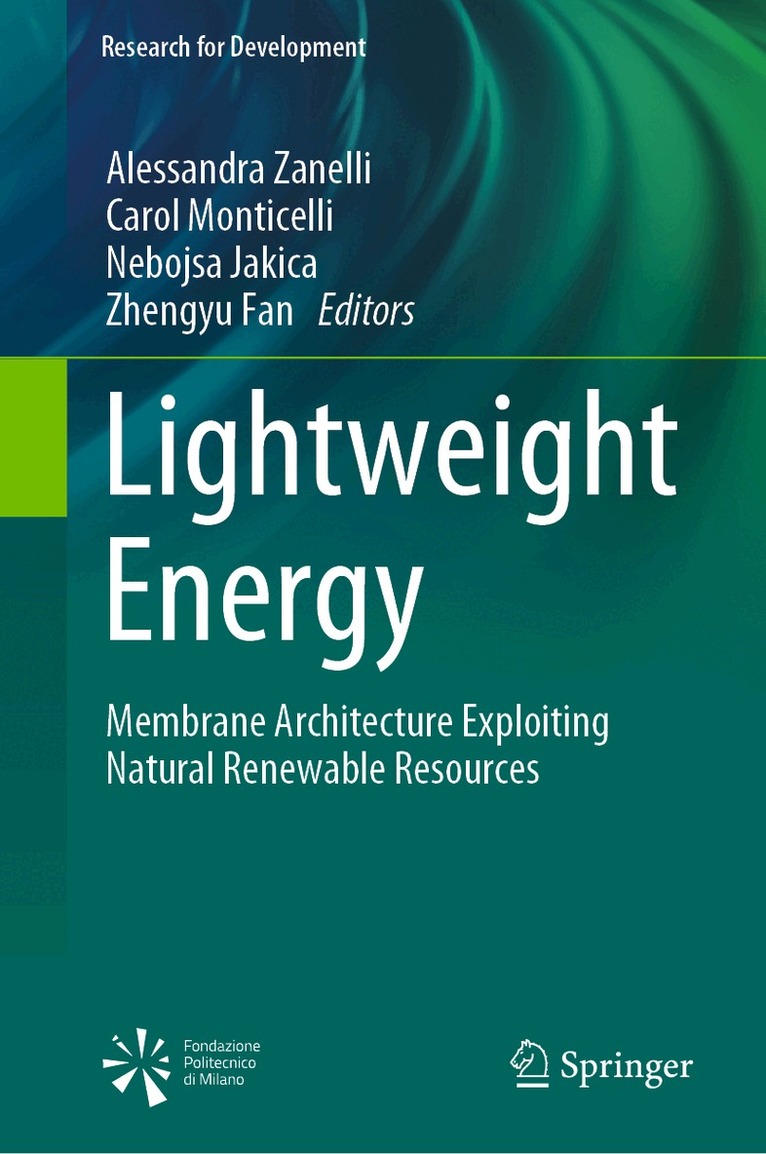
This book explores membrane materials as a means of translating natural and renewable resources into a more flexible, dynamic, and reactive architectural skin. It represents the first time that energy-saving design has been addressed systematically in relation to lightweight building systems and tensile membranes. Understanding of the energetic behavior of membranes and foils used as a building envelope is a fundamental theme, as it is the integration of flexible photovoltaics in membranes, as well as the exploitation of water and wind resources. A theoretical, methodological framework for consciously designing the membrane life cycle is presented. The authors cross-cut and combine exploration of climate-based design methodology and life cycle thinking strategies. Both active and passive systems are investigated, referring to alternative productive resources like sun, wind, and water. Case studies are brought forward in the book’s second half, highlighting energy lightness for anincreasingly dematerialized architecture and addressing inherent issues. Four main research and development paths are presented, the first two focusing on advancements in façade materials and Photovoltaic systems applicable to membrane architecture, the third referring to fog and dew harvesting and the fourth dealing with the future frontier of flexible transparency and designs for well-being through a passive solar system.
1 785 kr
Läs direkt efter köp
This book explores membrane materials as a means of translating natural and renewable resources into a more flexible, dynamic, and reactive architectural skin. It represents the first time that energy-saving design has been addressed systematically in relation to lightweight building systems and tensile membranes. Understanding of the energetic behavior of membranes and foils used as a building envelope is a fundamental theme, as it is the integration of flexible photovoltaics in membranes, as well as the exploitation of water and wind resources. A theoretical, methodological framework for consciously designing the membrane life cycle is presented. The authors cross-cut and combine exploration of climate-based design methodology and life cycle thinking strategies. Both active and passive systems are investigated, referring to alternative productive resources like sun, wind, and water. Case studies are brought forward in the book’s second half, highlighting energy lightness for anincreasingly dematerialized architecture and addressing inherent issues. Four main research and development paths are presented, the first two focusing on advancements in façade materials and Photovoltaic systems applicable to membrane architecture, the third referring to fog and dew harvesting and the fourth dealing with the future frontier of flexible transparency and designs for well-being through a passive solar system.
Häftad, Engelska, 2023
1 346 kr
Skickas inom 10-15 vardagar
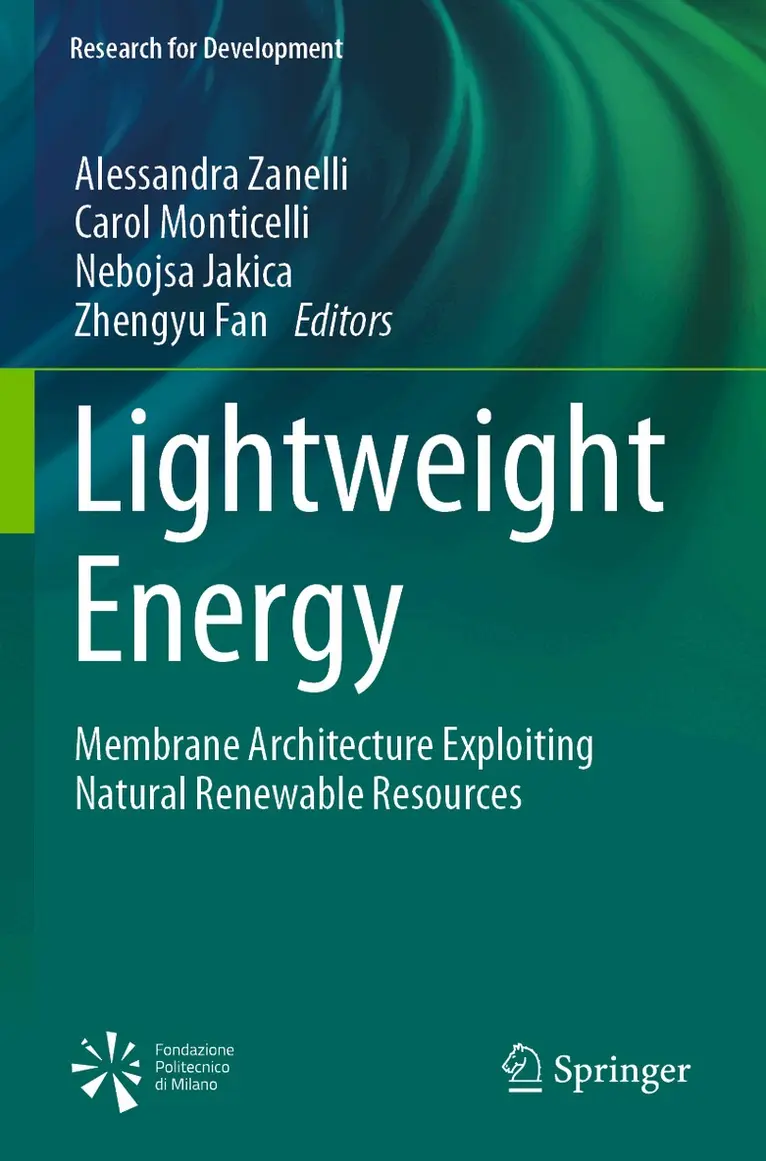
This book explores membrane materials as a means of translating natural and renewable resources into a more flexible, dynamic, and reactive architectural skin. It represents the first time that energy-saving design has been addressed systematically in relation to lightweight building systems and tensile membranes. Understanding of the energetic behavior of membranes and foils used as a building envelope is a fundamental theme, as it is the integration of flexible photovoltaics in membranes, as well as the exploitation of water and wind resources. A theoretical, methodological framework for consciously designing the membrane life cycle is presented. The authors cross-cut and combine exploration of climate-based design methodology and life cycle thinking strategies. Both active and passive systems are investigated, referring to alternative productive resources like sun, wind, and water. Case studies are brought forward in the book’s second half, highlighting energy lightness for anincreasingly dematerialized architecture and addressing inherent issues. Four main research and development paths are presented, the first two focusing on advancements in façade materials and Photovoltaic systems applicable to membrane architecture, the third referring to fog and dew harvesting and the fourth dealing with the future frontier of flexible transparency and designs for well-being through a passive solar system.
Inbunden, Engelska, 2026
2 855 kr
Kommande
This book captures the latest advancements and emerging directions in performance-based façade design. Bridging technical research, regulatory frameworks, performance-based design strategies, and innovative materials and systems, with the architectural practice, it examines the evolving discourse around façades as high-performance, climate-responsive building systems. The contributions showcase insights from leading international experts in façade design, manufacturing, and standardization, and explore key challenges and innovations in façade performance, including hazard mitigation, thermal comfort, digital design integration, bio-based materials, lifecycle assessment, and AI-driven optimization. Particular attention is given to real-world implementation: from the development of ISO 16316 on wind-borne debris resistance, to full-scale laboratory testing of façade elements in labs, to project-specific case studies across extreme climate zones. Through its technical depth and strong curatorial vision, the book establishes a cross-disciplinary platform that positions façades not merely as construction elements, but as critical interfaces shaping environmental performance, resilience, and the cultural expression of the built environment. It reflects a curated body of work developed through the Performance-Based Façade Design network, bringing together a global community of experts advancing the discipline.