Ned Curthoys - Böcker
Visar alla böcker från författaren Ned Curthoys. Handla med fri frakt och snabb leverans.
7 produkter
7 produkter
417 kr
Skickas inom 7-10 vardagar
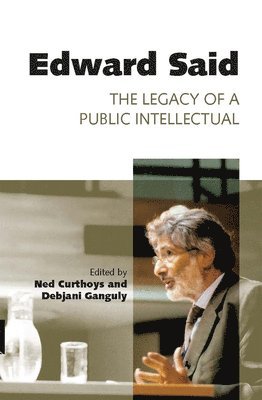
This collection is an enterprise of discovery and critical inquiry into the legacy of one of late modernity's greatest public intellectuals, Edward Said. Noted contributors, including Bill Ashcroft, John Docker, Lisa Lowe, Hsu-ming Teo and Patrick Wolfe, address an array of intellectual, political and cultural issues in their engagement with Said's oeuvre. Exciting new scholarship highlights the ways in which humanities in the twenty-first century can engage with Said's legacy, which includes his imbrications of culture and imperialism, his cosmopolitan critique of the idea of 'clash of civilisations', and his belief that the intellectual needs to maintain 'intellectual performances' on many fronts. The individual chapters achieve a sense of balance between the two poles of Said's persona: the brilliant and intimidating literary and music critic who invested deeply in an inclusive and democratic vision of humanism and the outspoken public intellectual who kept alive the truth of Palestine and the dangers of a settler colonial ethos.
Literary Representations of the Palestine/Israel Conflict After the Second Intifada
Inbunden, Engelska, 2022
1 303 kr
Skickas inom 7-10 vardagar
This edited collection brings together discussions of literary works from Israel, the Occupied Palestinian Territories, the Palestinian and Jewish Diasporas, as well as from authors not directly involved who are seeking to unpack the conflict's complexities for a wider audience. It offers new perspectives into how the Palestine/Israel conflict is, and can be, represented after the Second Palestinian Intifada, an epochal event for both Israelis and Palestinians.The collection foregrounds the thematic concerns that link literary engagements with Palestine/Israel across the globe but also examines the role that aesthetic representation plays in framing the conflict and its power dynamics. As such, the contributors address how emergent forms of writing and representation illuminate but also re-describe conflict in the context of Israel and Palestine and how depicting this conflict has had reverberations for representing conflict and conflict zones more widely.
Literary Representations of the Palestine/Israel Conflict After the Second Intifada
Häftad, Engelska, 2024
635 kr
Skickas inom 3-6 vardagar
This edited collection brings together discussions of literary works from Israel, the Occupied Palestinian Territories, the Palestinian and Jewish Diasporas, as well as from authors and creators not directly involved with the conflict who are seeking to unpack its complexities for a wider audience. It offers new perspectives into how the Palestine/Israel conflict is, and can be, represented after the Second Palestinian Intifada, an epochal event for both Israelis and Palestinians. This collection foregrounds the thematic concerns that link literary engagements with Palestine/Israel across the globe but also examines the role that aesthetic representation plays in framing the conflict and its power dynamics. It addresses how emergent forms of writing and representation illuminate but also redescribe conflict in the context of Israel and Palestine and how, as in the case of the investigative graphic novel for example, depicting this conflict has had reverberations for representing conflict and conflict zones more widely.
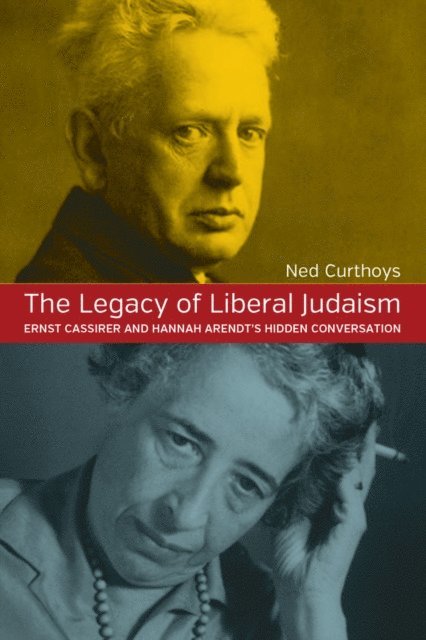
Legacy of Liberal Judaism
Ernst Cassirer and Hannah Arendt's Hidden Conversation
Inbunden, Engelska, 2013
1 956 kr
Skickas inom 3-6 vardagar
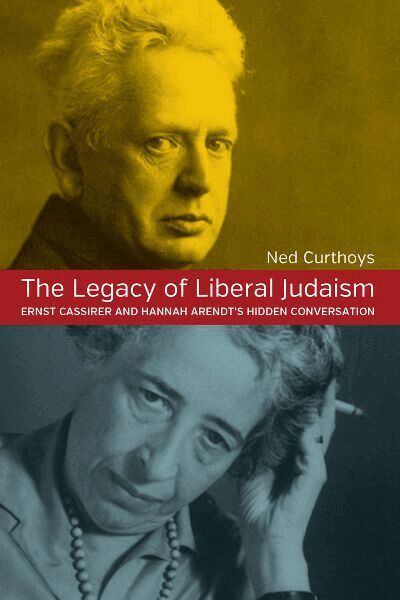
Comparing the liberal Jewish ethics of the German-Jewish philosophers Ernst Cassirer and Hannah Arendt, this book argues that both espoused a diasporic, worldly conception of Jewish identity that was anchored in a pluralist and politically engaged interpretation of Jewish history and an abiding interest in the complex lived reality of modern Jews. Arendt’s indebtedness to liberal Jewish thinkers such as Moses Mendelssohn, Abraham Geiger, Hermann Cohen, and Ernst Cassirer has been obscured by her modernist posture and caustic critique of the assimilationism of her German-Jewish forebears. By reorienting our conception of Arendt as a profoundly secular thinker anchored in twentieth century political debates, we are led to rethink the philosophical, political, and ethical legacy of liberal Jewish discourse.
Legacy of Liberal Judaism
Ernst Cassirer and Hannah Arendt's Hidden Conversation
Häftad, Engelska, 2016
566 kr
Skickas inom 3-6 vardagar
Comparing the liberal Jewish ethics of the German-Jewish philosophers Ernst Cassirer and Hannah Arendt, this book argues that both espoused a diasporic, worldly conception of Jewish identity that was anchored in a pluralist and politically engaged interpretation of Jewish history and an abiding interest in the complex lived reality of modern Jews. Arendt's indebtedness to liberal Jewish thinkers such as Moses Mendelssohn, Abraham Geiger, Hermann Cohen, and Ernst Cassirer has been obscured by her modernist posture and caustic critique of the assimilationism of her German-Jewish forebears. By reorienting our conception of Arendt as a profoundly secular thinker anchored in twentieth century political debates, we are led to rethink the philosophical, political, and ethical legacy of liberal Jewish discourse.
432 kr
Skickas inom 10-15 vardagar
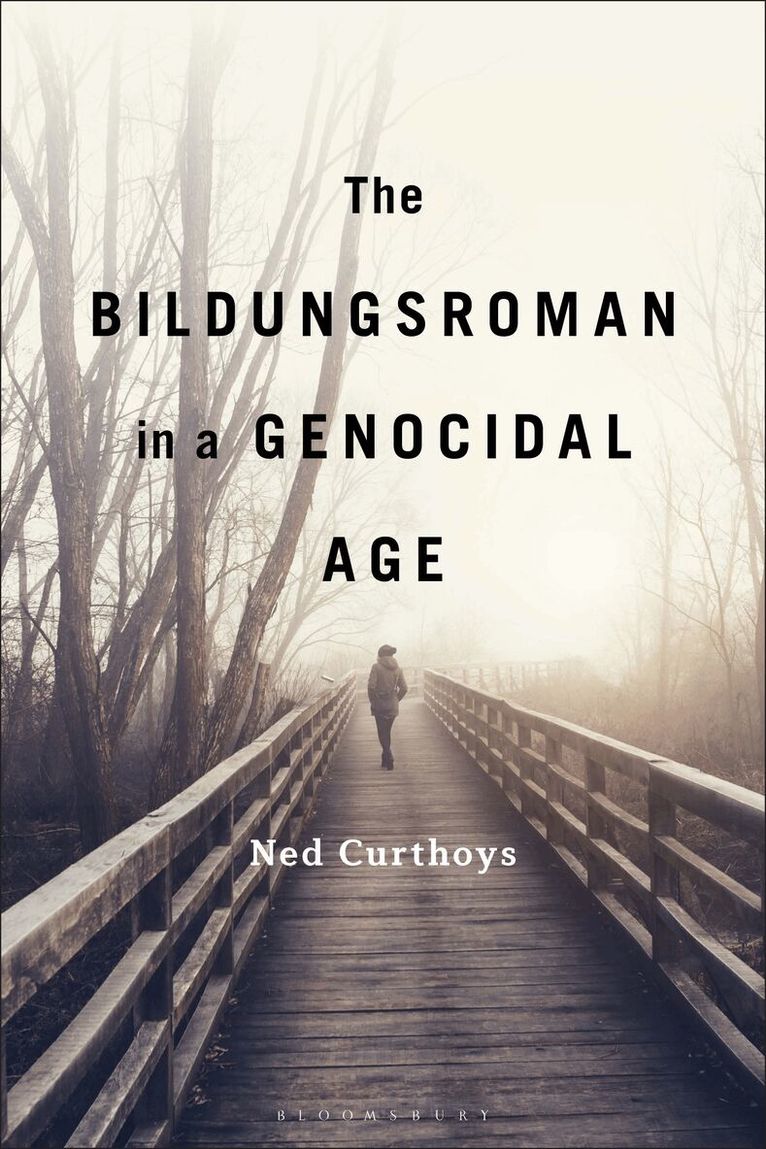
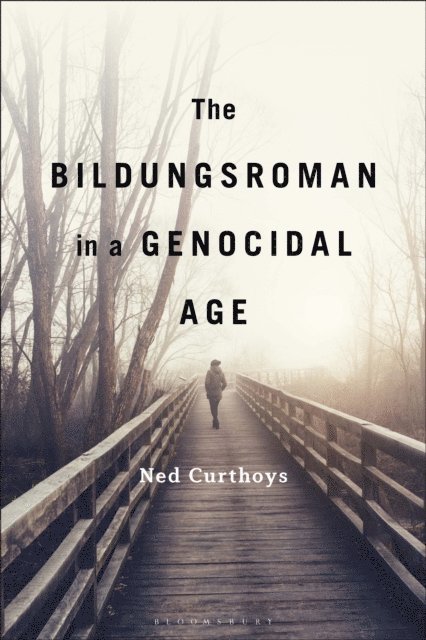
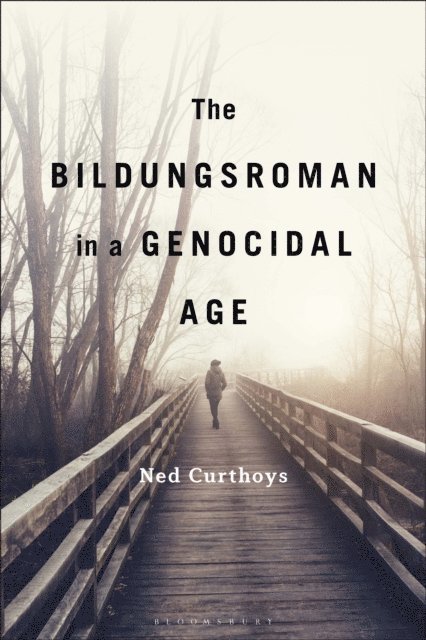
The Bildungsroman in a Genocidal Age argues that the humanist ideal of Bildung, the cultivation of the potentialities of the self through self-reflection, travel, and varied social intercourse, has been revitalized in an age of genocidal violence. It examines the Bildungsroman as a flourishing intermedial genre encompassing contemporary historical fiction, historical feature films, and children’s and YA literature. Analysing a number of highly influential novels and films about the Holocaust and World War II (WWII), the book argues that the narrative strategies of the Bildungsroman, which includes a swerve away from ‘home’ and its parochialism and moral certainties, has contributed to shaping audience perceptions of traumatic histories and their ethical implications in the twenty-first century. The Bildungsroman in a Genocidal Age examines some of the most keenly discussed, and controversial historical fictions of recent decades including The Remains of the Day (1989), The Kindly Ones (2006, English trans. 2009), The Boy in the Striped Pyjamas (2006), and Margarethe von Trotta’s biopic Hannah Arendt (2012). It argues that in portraying a protagonist who defers or refuses a prescribed social destiny, these novels and films are sensitive to the ‘Eichmann problematic’ of the ‘banality of evil’ as formulated by Hannah Arendt. These Bildungsromane, the study suggests, are designed to address the problem of the social reproduction of normative, unimaginative, and conformist mindsets that can enable totalitarian politics and genocidal policies.
1 251 kr
Skickas inom 10-15 vardagar
The Bildungsroman in a Genocidal Age argues that the humanist ideal of Bildung, the cultivation of the potentialities of the self through self-reflection, travel, and varied social intercourse, has been revitalized in an age of genocidal violence. It examines the Bildungsroman as a flourishing intermedial genre encompassing contemporary historical fiction, historical feature films, and children’s and YA literature. Analysing a number of highly influential novels and films about the Holocaust and World War II (WWII), the book argues that the narrative strategies of the Bildungsroman, which includes a swerve away from ‘home’ and its parochialism and moral certainties, has contributed to shaping audience perceptions of traumatic histories and their ethical implications in the twenty-first century. The Bildungsroman in a Genocidal Age examines some of the most keenly discussed, and controversial historical fictions of recent decades including The Remains of the Day (1989), The Kindly Ones (2006, English trans. 2009), The Boy in the Striped Pyjamas (2006), and Margarethe von Trotta’s biopic Hannah Arendt (2012). It argues that in portraying a protagonist who defers or refuses a prescribed social destiny, these novels and films are sensitive to the ‘Eichmann problematic’ of the ‘banality of evil’ as formulated by Hannah Arendt. These Bildungsromane, the study suggests, are designed to address the problem of the social reproduction of normative, unimaginative, and conformist mindsets that can enable totalitarian politics and genocidal policies.