Neema Noori – författare
Visar alla böcker från författaren Neema Noori. Handla med fri frakt och snabb leverans.
2 produkter
2 produkter
1 152 kr
Skickas inom 10-15 vardagar
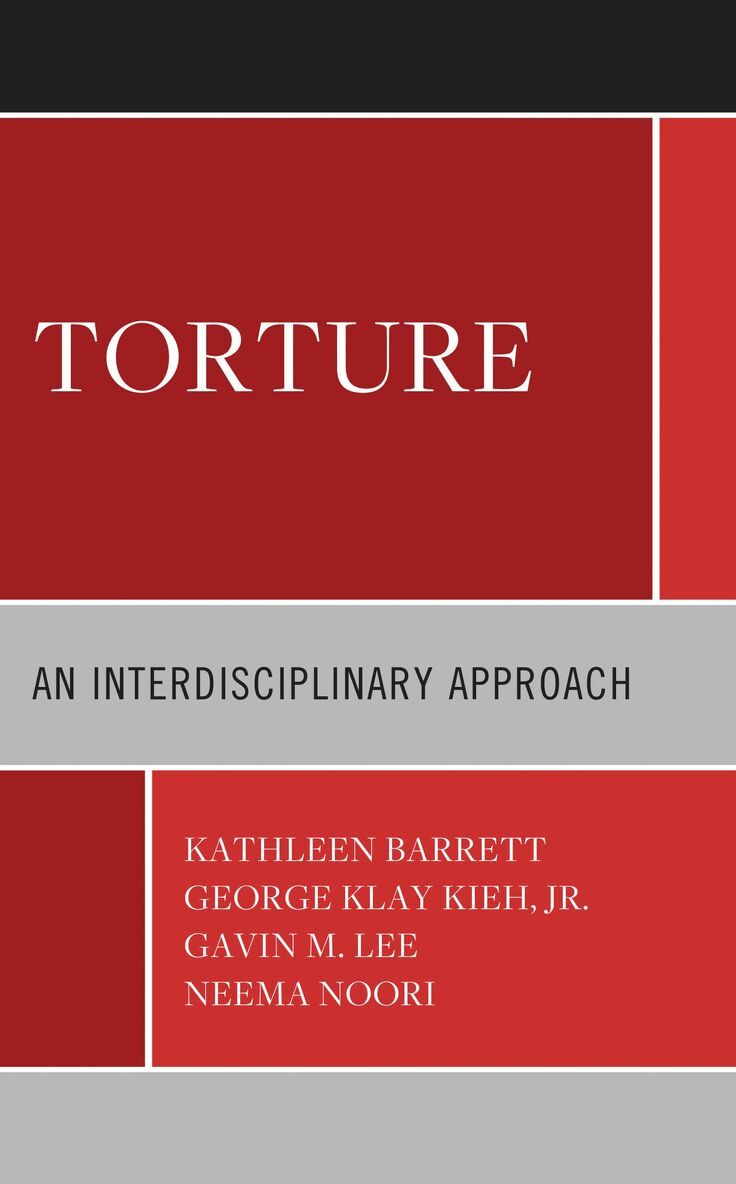
Drawing on insights from political science, criminology, and sociology, Torture: An Interdisciplinary Approach investigates the nature and evolution of torture. By surveying the use of torture across time and space, this book considers the development of an international human rights discourse challenging the legitimacy of torture as an instrument of interrogation. Kathleen Barrett, George Klay Kieh, Jr., Gavin M. Lee, and Neema Noori critically assess the effectiveness of legal regimes, both national and international, that arose as a result of this discourse and the emergent global movement to ban the use of torture. In addition to grappling with colonial legacies of torture and the particular ways that great powers, whether liberal or illiberal, deploy these coercive practices, this book argues that torture continues to serve as a repressive practice that mediates the relationship between the state and its citizens in many countries within the global south. The authors demonstrate that as governments move away from one set of perceived atrocities, they develop new methods of torture and establish novel strategies for justifying these coercive practices.
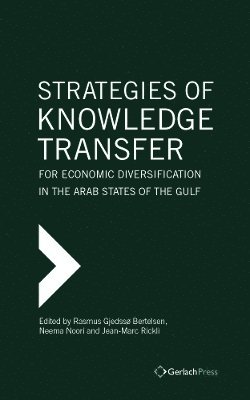
Strategies of Knowledge Transfer for Economic Diversification in the Arab States of the Gulf
Inbunden, Engelska, 2017
1 985 kr
Skickas inom 5-8 vardagar
Diversification is the principal economic objective for the Gulf States. The steep and sustained fall in oil prices over the last few years has added to the collective urgency to seek new sources of revenue. As such, the overriding theme of regional economic summits in recent years has focused on the question, "how do we transition to a knowledge-based economy?" This is the central question taken up by the contributors to this volume. A growing body of literature has begun to address how state policy in conjunction with universities, think tanks, and businesses can create the groundwork to support knowledge-intensive industries. But, so far, comparatively little work has been done on the potential of this matrix of policies to succeed in the current political and economic context of the GCC. This volume assesses current policies designed to engender knowledge-based economies in the region and analyzes how a diverse array of actors, including government agencies, national and transnational businesses, universities, and individuals coordinate and mediate the transmission of knowledge to support knowledge-intensive industries. This volume is based on a workshop held at the Gulf Research Meeting organized by the Gulf Research Center Cambridge in summer 2015.