Neil J. Dorans – författare
Visar alla böcker från författaren Neil J. Dorans. Handla med fri frakt och snabb leverans.
11 produkter
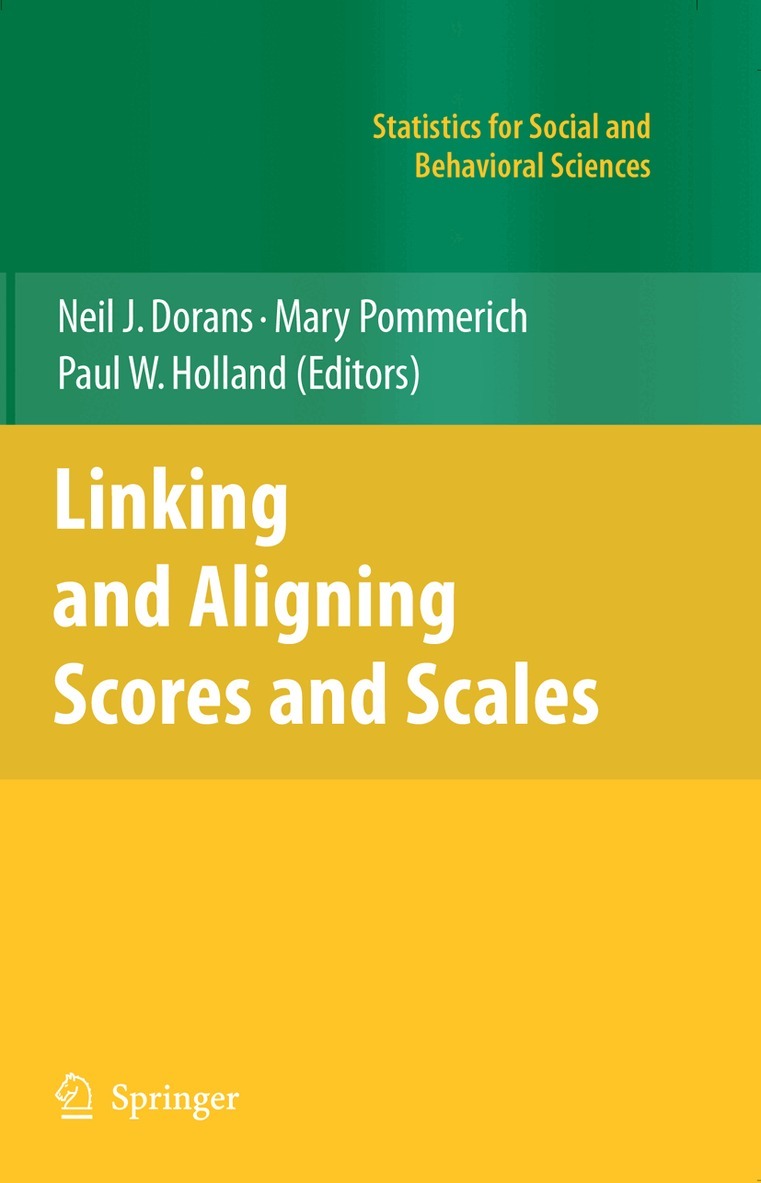
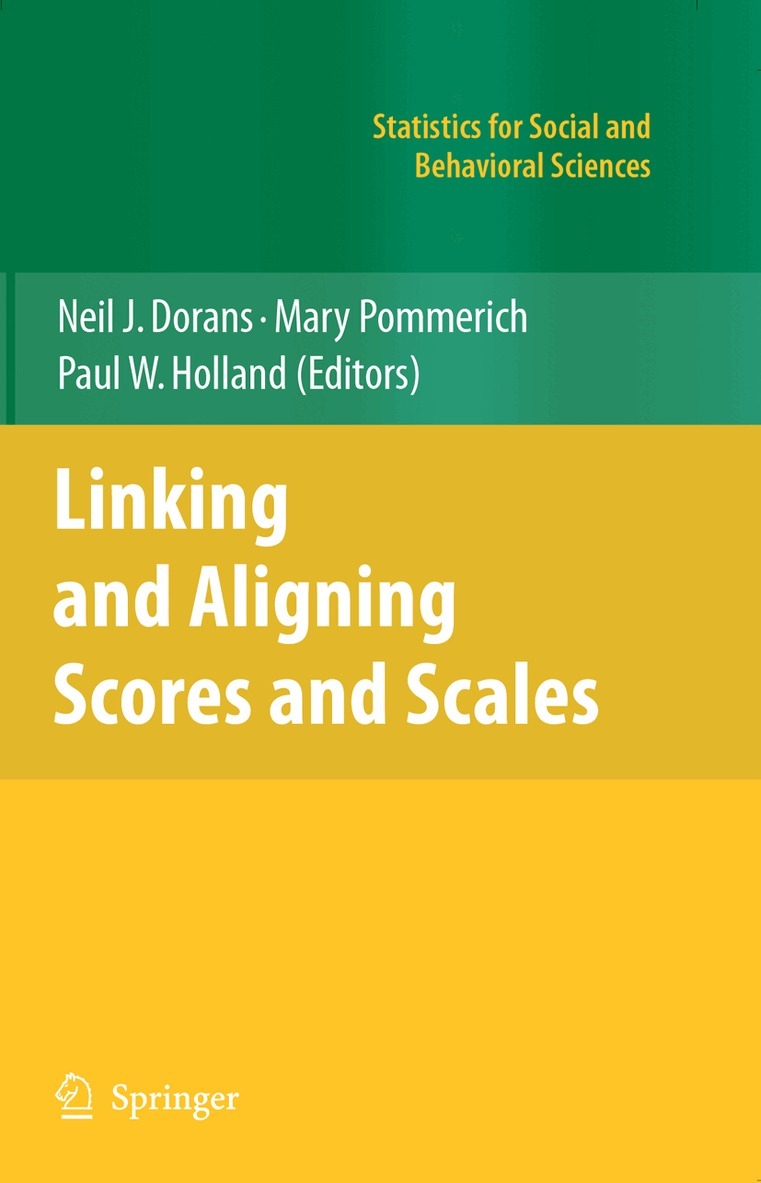
Linking and Aligning Scores and Scales
Av Neil J. Dorans, Mary Pommerich m. fl.
Inbunden, 2007
1093 kr
Lägg i varukorg
In their preface to the second edition of Test Equating, Scaling, and Linking, Mike Kolen and Bob Brennan (2004) made the following observation: “Prior to 1980, the subject of equating was ignored by most people in the measurement community except for psychometricians, who had responsibility for …
Linking and Aligning Scores and Scales
Av Paul W. Holland, Mary Pommerich m. fl.
E-bok, 2007
1377 kr
Lägg i varukorg
In their preface to the second edition of Test Equating, Scaling, and Linking, Mike Kolen and Bob Brennan (2004) made the following observation: “Prior to 1980, the subject of equating was ignored by most people in the measurement community except for psychometricians, who had responsibility for …
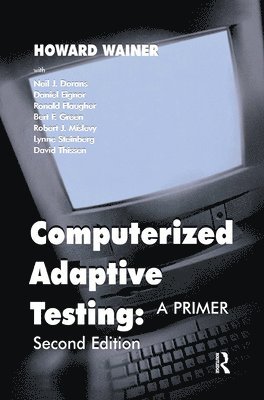
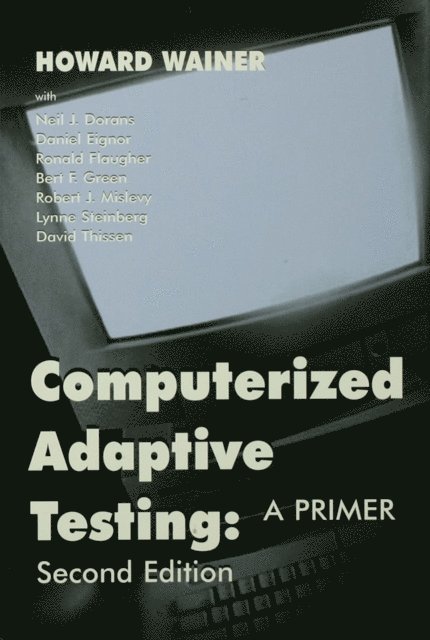
Computerized Adaptive Testing
A Primer
Av Howard Wainer, Neil J. Dorans m. fl.
Inbunden, 2000
3216 kr
Lägg i varukorg
This celebrated primer presents an introduction to all of the key ingredients in understanding computerized adaptive testing technology, test development, statistics, and mental test theory. Based on years of research, this accessible book educates the novice and serves as a compendium of …
Computerized Adaptive Testing
A Primer
Av David Thissen, Lynne Steinburg m. fl.
E-bok, 2000
1027 kr
Lägg i varukorg
This celebrated primer presents an introduction to all of the key ingredients in understanding computerized adaptive testing technology, test development, statistics, and mental test theory. Based on years of research, this accessible book educates the novice and serves as a compendium of …
Computerized Adaptive Testing
A Primer
Av David Thissen, Lynne Steinburg m. fl.
E-bok, 2000
997 kr
Lägg i varukorg
This celebrated primer presents an introduction to all of the key ingredients in understanding computerized adaptive testing technology, test development, statistics, and mental test theory. Based on years of research, this accessible book educates the novice and serves as a compendium of …
Fairness in Educational Assessment and Measurement
Av Neil J. Dorans, Linda L. Cook
Inbunden, 2016
4109 kr
Lägg i varukorg
The importance of fairness, validity, and accessibility in assessment is greater than ever as testing expands to include more diverse populations, more complex purposes, and more sophisticated technologies. This book offers a detailed account of fairness in assessment, and illustrates the interplay …
Fairness in Educational Assessment and Measurement
Av Neil J. Dorans, Linda L. Cook
Häftad, 2016
926 kr
Lägg i varukorg
The importance of fairness, validity, and accessibility in assessment is greater than ever as testing expands to include more diverse populations, more complex purposes, and more sophisticated technologies. This book offers a detailed account of fairness in assessment, and illustrates the interplay …
Computerized Adaptive Testing
A Primer
Av Howard Wainer, Neil J Dorans m. fl.
Häftad, 2015
870 kr
Lägg i varukorg
This celebrated primer presents an introduction to all of the key ingredients in understanding computerized adaptive testing technology, test development, statistics, and mental test theory. Based on years of research, this accessible book educates the novice and serves as a compendium of …
Linking and Aligning Scores and Scales
Av Neil J. Dorans, Mary Pommerich m. fl.
Häftad, 2010
1171 kr
Lägg i varukorg
In their preface to the second edition of Test Equating, Scaling, and Linking, Mike Kolen and Bob Brennan (2004) made the following observation: “Prior to 1980, the subject of equating was ignored by most people in the measurement community except for psychometricians, who had responsibility for …
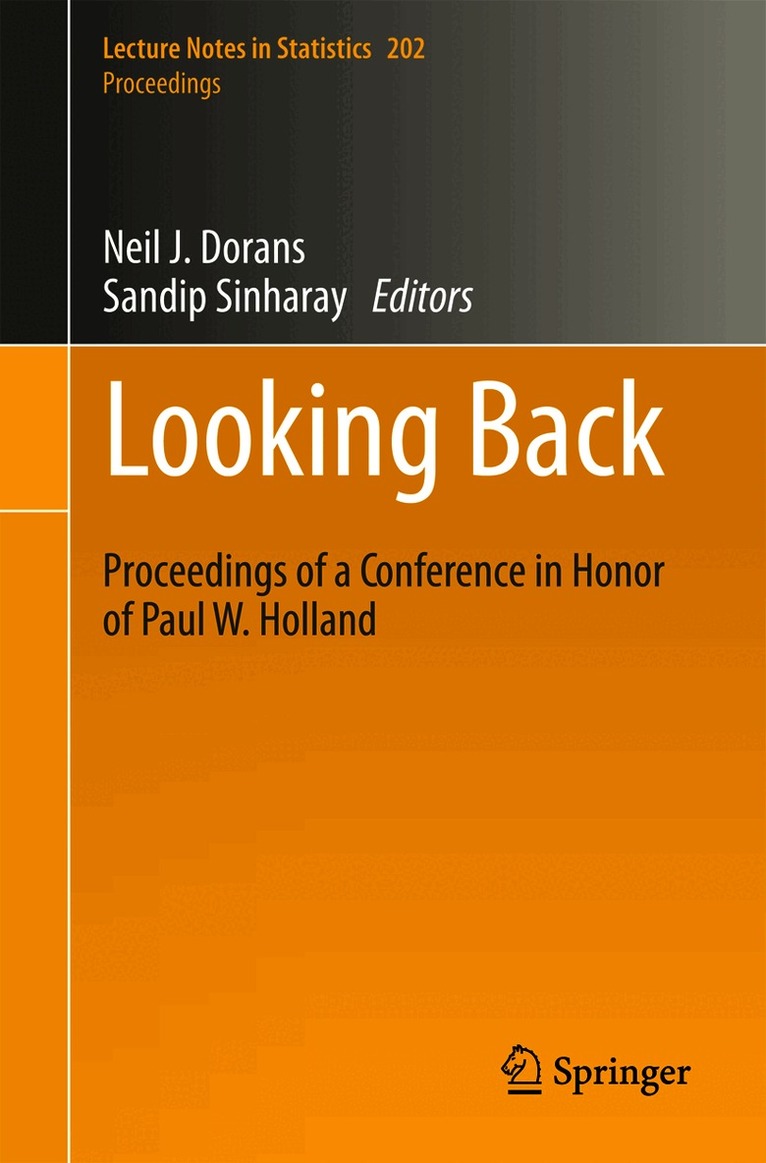
Looking Back
Proceedings of a Conference in Honor of Paul W. Holland
Av Neil J. Dorans, Sandip Sinharay
Häftad, 2011
1096 kr
Lägg i varukorg
In 2006, Paul W. Holland retired from Educational Testing Service (ETS) after a career spanning five decades. In 2008, ETS sponsored a conference, Looking Back, honoring his contributions to applied and theoretical psychometrics and statistics. Looking Back attracted a large audience that came to …
Looking Back
Proceedings of a Conference in Honor of Paul W. Holland
Av Sandip Sinharay, Neil J. Dorans
E-bok, 2011
1373 kr
Lägg i varukorg
In 2006, Paul W. Holland retired from Educational Testing Service (ETS) after a career spanning five decades. In 2008, ETS sponsored a conference, Looking Back , honoring his contributions to applied and theoretical psychometrics and statistics. Looking Back attracted a large audience that came to …