Neil MacGregor – författare
Visar alla böcker från författaren Neil MacGregor. Handla med fri frakt och snabb leverans.
24 produkter
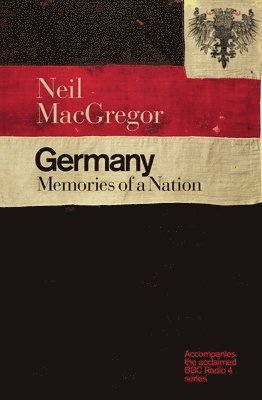
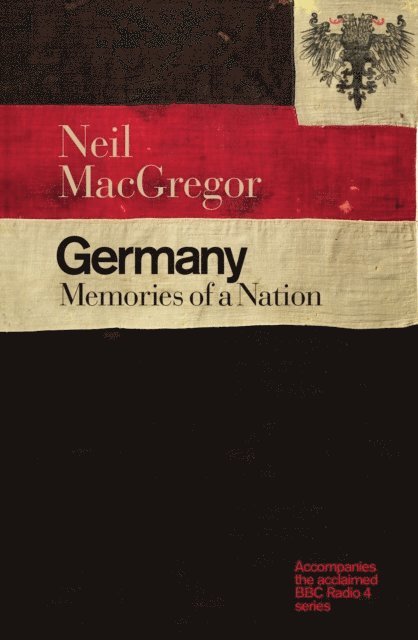
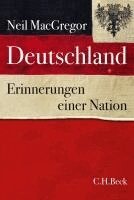
Germany
Memories of a Nation
Häftad, 2016
4,8 utav 5 stjärnor. Totalt antal röster: (4)
208 kr
Lägg i varukorg
From Neil MacGregor, the author of A History of the World in 100 Objects, this is a view of Germany like no otherFor the past 140 years, Germany has been the central power in continental Europe. Twenty-five years ago a new German state came into being. How much do we really understand this new …
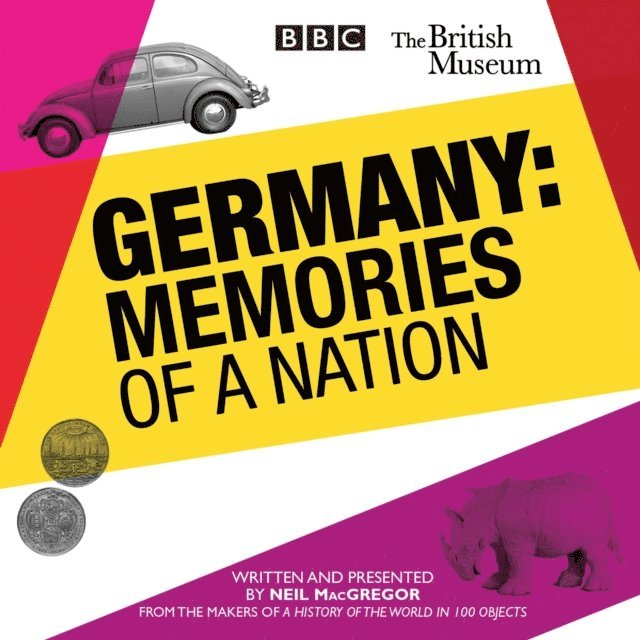
Germany: Memories of a Nation
Ljudbok, 2021
154 kr
Lägg i varukorg
From Neil MacGregor, the author of A History of the World in 100 Objects, this is a view of Germany like no other For the past 140 years, Germany has been the central power in continental Europe. Thirty years ago a new German state came into being. How much do we really understand this new Germany, …
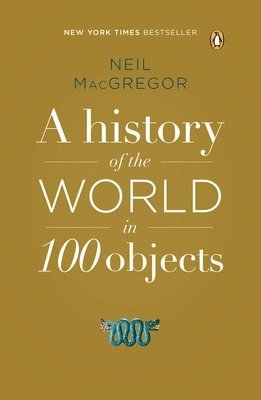
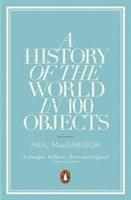
A History of the World in 100 Objects
Häftad, 2012
3,7 utav 5 stjärnor. Totalt antal röster: (3)
214 kr
Lägg i varukorg
Neil MacGregor's A History of the World in 100 Objects takes a bold, original approach to human history, exploring past civilizations through the objects that defined them.Encompassing a grand sweep of human history, A History of the World in 100 Objects begins with one of the earliest surviving …
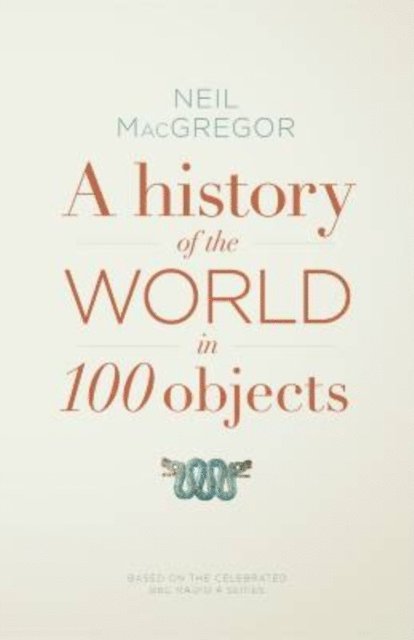
A History of the World in 100 Objects
E-bok, 2011
167 kr
Lägg i varukorg
This book takes a dramatically original approach to the history of humanity, using objects which previous civilisations have left behind them, often accidentally, as prisms through which we can explore past worlds and the lives of the men and women who lived in them. The book's range is enormous. …
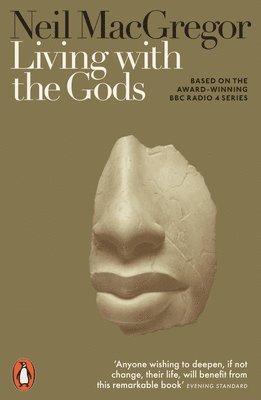
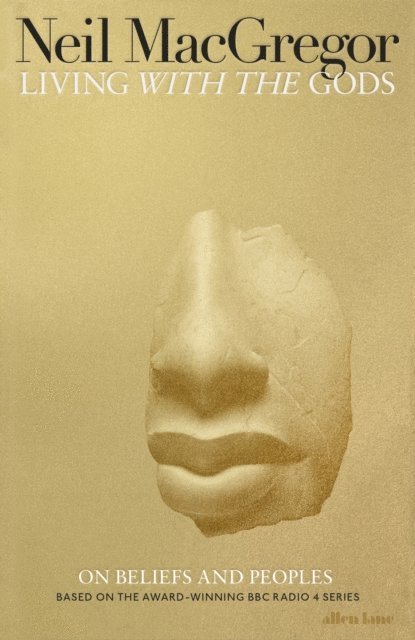
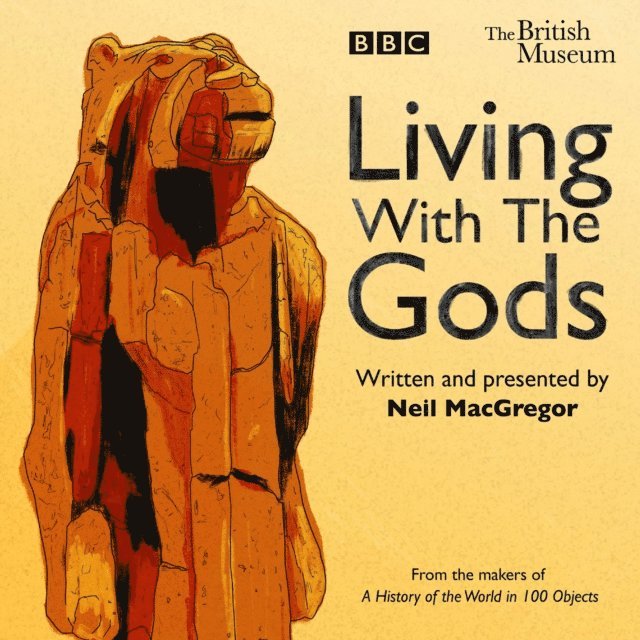
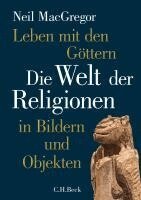
Living with the Gods
On Beliefs and Peoples
Häftad, 2019
187 kr
Lägg i varukorg
Following the award-winning BBC Radio 4 series, a panoramic exploration of peoples, objects and beliefs from the celebrated author of A History of the World in 100 Objects and Germany'Riveting, extraordinary ... tells the sweeping story of religious belief in all its inventive variety. The emphasis …
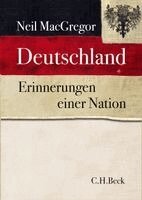
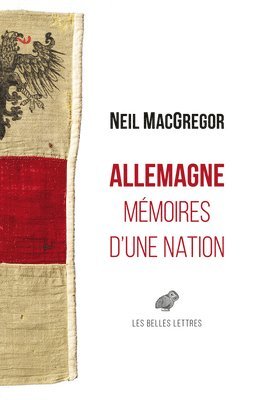
Germany
Memories of a Nation
E-bok, 2014
108 kr
Lägg i varukorg
From Neil MacGregor, the author of A History of the World in 100 Objects, this is a view of Germany like no otherToday, as the dominant economic force in Europe, Germany looms as large as ever over world affairs. But how much do we really understand about it, and how do its people understand …
Living with the Gods
On Beliefs and Peoples
E-bok, 2018
144 kr
Lägg i varukorg
Following the award-winning BBC Radio 4 series, a panoramic exploration of peoples, objects and beliefs from the celebrated author of A History of the World in 100 Objects and Germany'Riveting, extraordinary ... tells the sweeping story of religious belief in all its inventive variety. The emphasis …
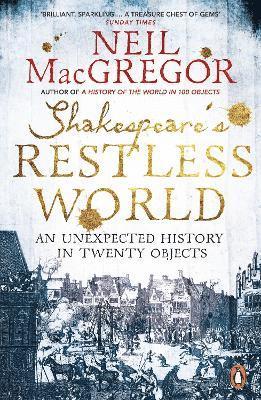
Shakespeare's Restless World
An Unexpected History in Twenty Objects
Häftad, 2014
187 kr
Lägg i varukorg
The Elizabethan age was a tumultuous time, when long-cherished certainties were crumbling and life was exhilaratingly uncertain. Shakespeare's Restless World uncovers the extraordinary stories behind twenty objects from the period to re-create an age at once distant and yet surprisingly familiar. …
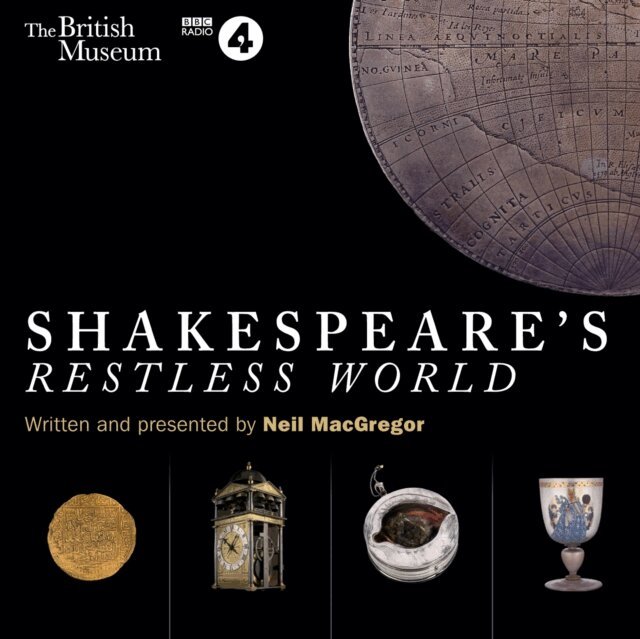
Shakespeare's Restless World
Ljudbok, 2012
114 kr
Lägg i varukorg
What was life like for Shakespeare''s first audiences? In a time of political and religious unrest and economic expansion, how did Elizabethan play-goers make sense of their changing world? What did the plays mean to the public when they were first performed? In this fascinating series, Neil …
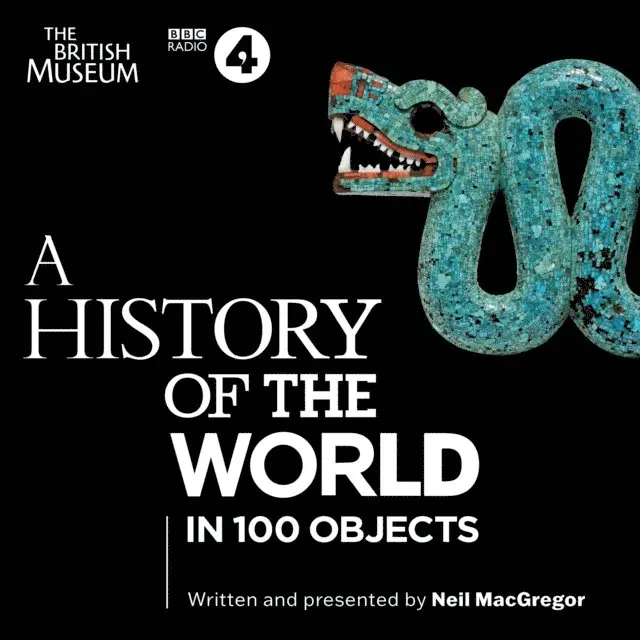
History of the World in 100 Objects
The landmark BBC Radio 4 series
Ljudbok, 2021
210 kr
Lägg i varukorg
In 2010, the BBC and the British Museum embarked on an ambitious project: to tell the story of two million years of human history using one hundred objects selected from the Museum''s vast and renowned collection. Presented by the British Museum''s then Director Neil MacGregor, each episode focuses …
Living with the Gods
The BBC Radio 4 series
Ljudbok, 2021
152 kr
Lägg i varukorg
In this major new BBC radio series, Neil MacGregor investigates the role and expression of shared beliefs through time and around the world. One of the central facts of human existence is that every society shares a set of beliefs and assumptions - a faith, an ideology, a religion - that goes far …
Museums That Make Us
Curating Our Shared History
Ljudbok, 2022
116 kr
Lägg i varukorg
World-renowned art historian Neil MacGregor takes us across Britain to discover local museums and their hidden gems Neil MacGregor, former director of the National Gallery and the British Museum, knows the importance of public museums. In The Museums That Make Us , he takes us around the country to …
As Others See Us
The BBC Radio 4 series
Ljudbok, 2019
155 kr
Lägg i varukorg
All ten episodes of BBC Radio 4's ambitious global series, presented by Neil MacGregor'Insightful, provocative, satisfying' TelegraphWith the United Kingdom on the brink of potentially momentous change, historian and broadcaster Neil MacGregor embarks on a worldwide voyage to discover how Britain …
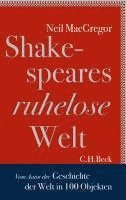
Shakespeare's Restless World
An Unexpected History in Twenty Objects
E-bok, 2012
108 kr
Lägg i varukorg
From Neil MacGregor, the acclaimed creator of A History of the World in 100 Objects and the Director of the British Museum, comes a unique, enthralling exploration of the age of William Shakespeare to accompany a new BBC Radio 4 series.Shakespeare lived through a pivotal period in human history. …
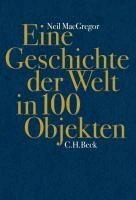
Eine Geschichte der Welt in 100 Objekten
Av Neil MacGregor, Annabel Zettel
Inbunden, 2013
480 kr
Lägg i varukorg
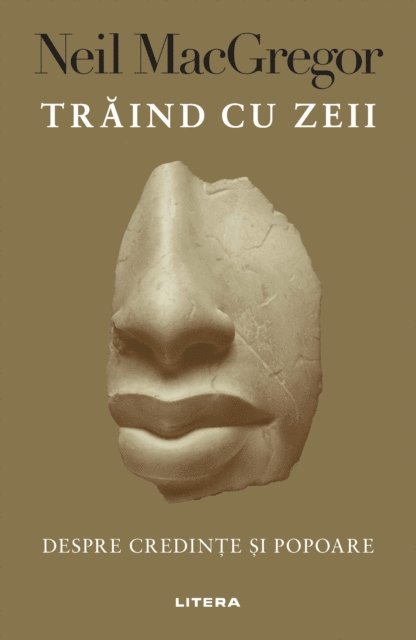
Traind cu zeii
E-bok, 2020
94 kr
Lägg i varukorg
Trăind cu zeii oferă o perspectivă la nivel global pe tot parcursul istoriei, lansând întrebări despre obiecte, locuri și activități umane, în încercarea de a înțelege semnificația credințelor religioase în contextual vieții publice a unei comunități sau a unei națiuni, modul în care acestea …