Neil Middleton – författare
713 kr
Skickas
473 kr
Skickas inom 5-8 vardagar
347 kr
Skickas inom 5-8 vardagar
347 kr
Skickas inom 5-8 vardagar
107 kr
Läs direkt efter köp
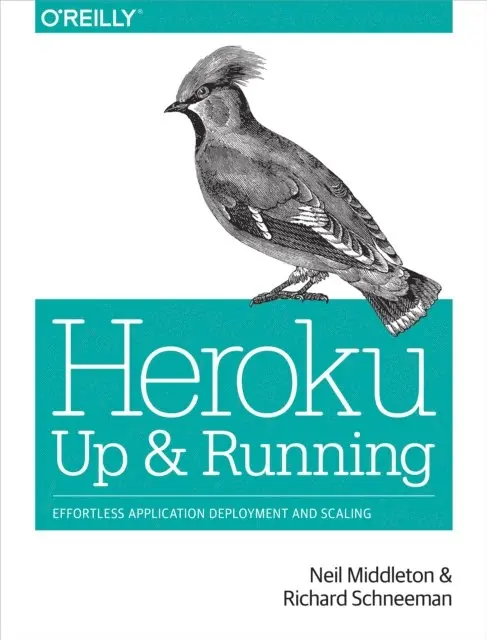
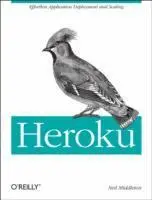
Take full advantage of Heroku’s cloud-based hosting services. This guide takes you through the inner workings of this PaaS platform and delivers practical advice for architecting your application to work as efficiently as possible. You’ll learn best practices for improving speed and throughput, solving latency issues, locating and fixing problems if your application goes down, and ensuring your deployments go smoothly.
By covering everything from basic concepts and primary components to add-on services and advanced topics such as buildpacks, this book helps you effectively deploy and manage your application with Heroku.
Learn your way around Heroku with the command line interfaceDiscover several methods for scaling your application to increase throughputSpeed up response time through performance optimizationsSolve latency issues by deploying your Heroku instance in new regionsChoose the right plan for using Heroku’s PostgreSQL database-as-a-serviceGet a checklist of items to consider when deploying your applicationFind and fix problems during deployment, at runtime, and when your application goes downUnderstand how Heroku buildpacks work, and learn how customize your own96 kr
Läs direkt efter köp
Take full advantage of Heroku’s cloud-based hosting services. This guide takes you through the inner workings of this PaaS platform and delivers practical advice for architecting your application to work as efficiently as possible. You’ll learn best practices for improving speed and throughput, solving latency issues, locating and fixing problems if your application goes down, and ensuring your deployments go smoothly.
By covering everything from basic concepts and primary components to add-on services and advanced topics such as buildpacks, this book helps you effectively deploy and manage your application with Heroku.
Learn your way around Heroku with the command line interfaceDiscover several methods for scaling your application to increase throughputSpeed up response time through performance optimizationsSolve latency issues by deploying your Heroku instance in new regionsChoose the right plan for using Heroku’s PostgreSQL database-as-a-serviceGet a checklist of items to consider when deploying your applicationFind and fix problems during deployment, at runtime, and when your application goes downUnderstand how Heroku buildpacks work, and learn how customize your own87 kr
Skickas inom 5-8 vardagar
505 kr
Läs direkt efter köp
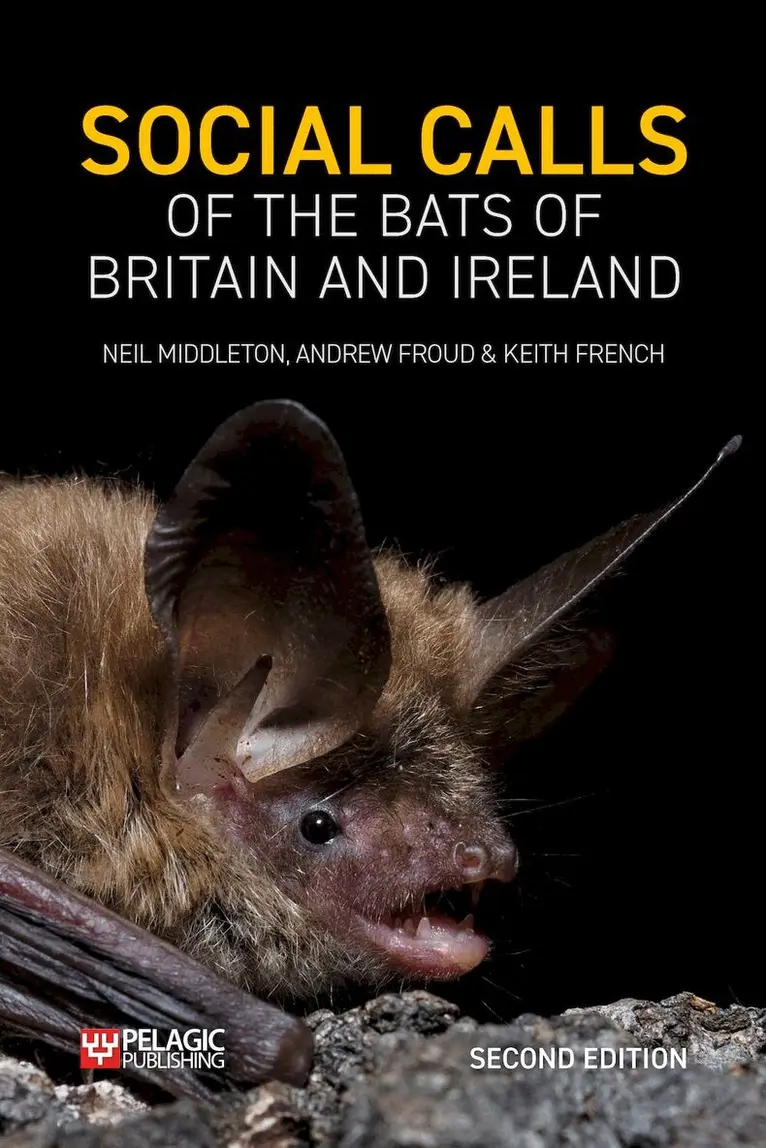
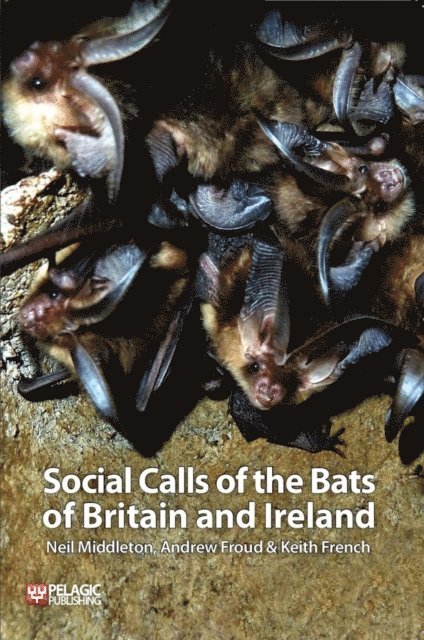
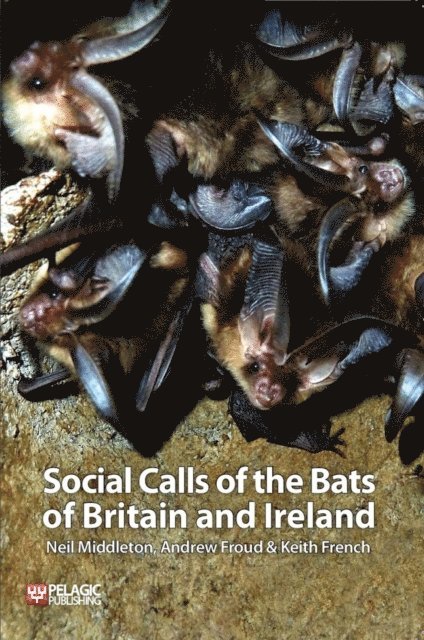
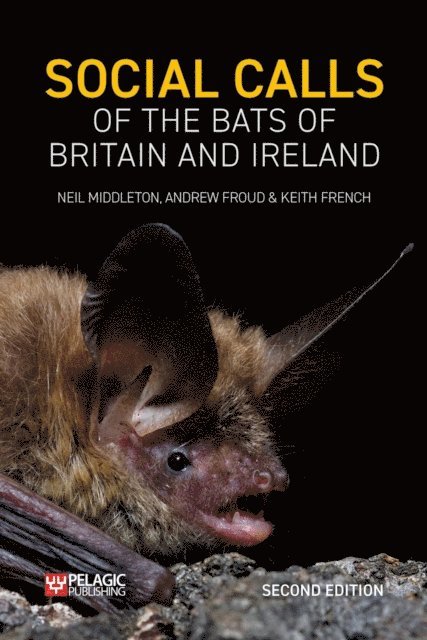
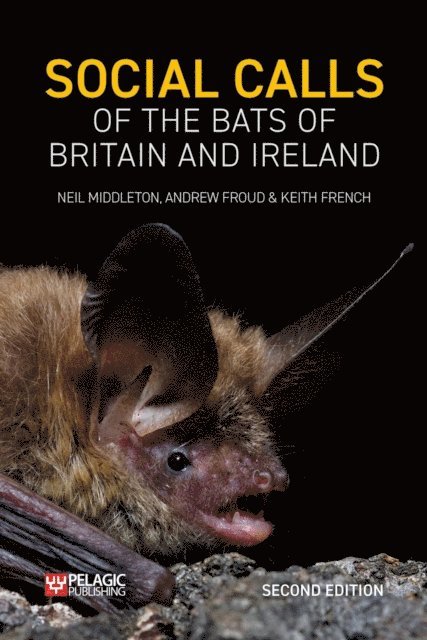
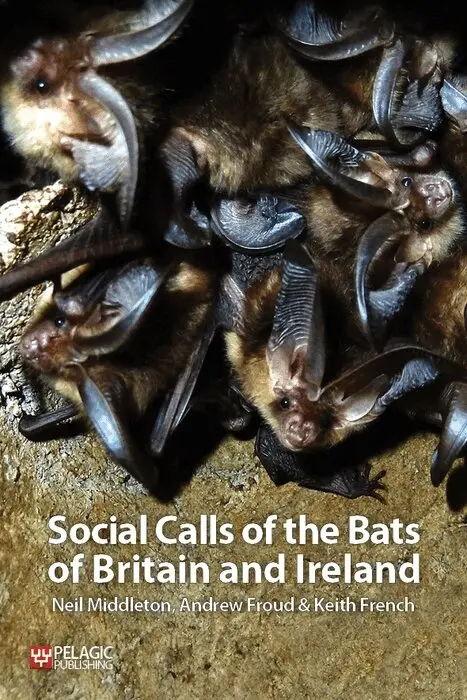
Bats are fascinating mammals about which we still have much to learn. As well as using ultrasonic echolocation calls for orientation and while foraging, they also have a complex array of vocalisations for communication. These are known as social calls and are an essential component of their colonial lifestyle.
This book brings together the current state of knowledge of social calls relating to the bat species occurring within Britain and Ireland, with some additional examples from species represented elsewhere in Europe. It includes access to a downloadable library of calls to be used in conjunction with the book.
Downloadable call library Social calls are complex and intriguing to listen to; they are after all produced with listeners in mind (other bats). To enjoy and fully appreciate social calls the reader must also have the opportunity to become a listener: each of the presented sonograms in the book is cross-referenced to downloadable ‘time expanded’ .wav sound files which are contained within a much wider library of calls for you to explore.
Included in Social Calls of the Bats of Britain and Ireland The authors start with an overview of the species of bats in Britain and Ireland (Chapter 1), and then introduce us to communication within the social world of bats (Chapter 2). Referencing the latest research, the authors explore how these calls can be classified according to their structure, and in many cases the context in which the calls are thought to be emitted (Chapter 3). Chapter 4 addresses aspects of survey methodology to be considered by those studying social calls. This leads on to the analysis of calls (Chapter 5), detailing the specific methods used and parameters commonly measured by researchers.
The final, and main chapter (Chapter 6) introduces the 23 species covered in the book giving each a detailed profile including: habitat preferences, typical roosting locations, roost emergence times, mating strategies and maternity behaviour. Each species profile includes what is known about the social calls for that species and this text is supported by colour sonograms (created using Pettersson BatSound V4.1) of most of the calls discussed. Each sonogram is linked to a .wav sound file (Time Expansion x10) within the downloadable library. The sound files allow the reader to hear, as well as see, the calls produced using any bat sound analysis software that supports the .wav format.
The authors conclude with a bibliography and an extensive list of references directly cross-referenced throughout the book.
505 kr
Läs direkt efter köp
Bats are fascinating mammals about which we still have much to learn. As well as using ultrasonic echolocation calls for orientation and while foraging, they also have a complex array of vocalisations for communication. These are known as social calls and are an essential component of their colonial lifestyle.
This book brings together the current state of knowledge of social calls relating to the bat species occurring within Britain and Ireland, with some additional examples from species represented elsewhere in Europe. It includes access to a downloadable library of calls to be used in conjunction with the book.
Downloadable call library Social calls are complex and intriguing to listen to; they are after all produced with listeners in mind (other bats). To enjoy and fully appreciate social calls the reader must also have the opportunity to become a listener: each of the presented sonograms in the book is cross-referenced to downloadable ‘time expanded’ .wav sound files which are contained within a much wider library of calls for you to explore.
Included in Social Calls of the Bats of Britain and Ireland The authors start with an overview of the species of bats in Britain and Ireland (Chapter 1), and then introduce us to communication within the social world of bats (Chapter 2). Referencing the latest research, the authors explore how these calls can be classified according to their structure, and in many cases the context in which the calls are thought to be emitted (Chapter 3). Chapter 4 addresses aspects of survey methodology to be considered by those studying social calls. This leads on to the analysis of calls (Chapter 5), detailing the specific methods used and parameters commonly measured by researchers.
The final, and main chapter (Chapter 6) introduces the 23 species covered in the book giving each a detailed profile including: habitat preferences, typical roosting locations, roost emergence times, mating strategies and maternity behaviour. Each species profile includes what is known about the social calls for that species and this text is supported by colour sonograms (created using Pettersson BatSound V4.1) of most of the calls discussed. Each sonogram is linked to a .wav sound file (Time Expansion x10) within the downloadable library. The sound files allow the reader to hear, as well as see, the calls produced using any bat sound analysis software that supports the .wav format.
The authors conclude with a bibliography and an extensive list of references directly cross-referenced throughout the book.
448 kr
Skickas inom 5-8 vardagar
406 kr
Läs direkt efter köp
The Effective Ecologist covers the stuff that no-one told you about at university – how to develop your office-related and business skills to succeed in your career as a professional ecologist.
This book shows you how to be more effective in your role, providing you with the skills and effective behaviours within the workplace that will enable your development as an ecologist.
It explains what it means to be effective in the workplace and describes positive behaviours and how they can be adopted. It contains the skills needed for effective communication, organising projects, advice on planning, reporting and meetings and provides you with everything you need for a brilliant and successful career.
In a clearly written and honest account full of real life examples, the author leaves no stone unturned as he describes how making small changes in your behaviour can have a positive impact upon your performance and how you are perceived in your working environment.
Essential reading for anyone commencing or already pursuing a career in ecology who wants to perform at the highest level. In addition this work will be of great interest to team managers, business leaders and those responsible for the development of staff as a point of reference and guidance for their team.
639 kr
Läs direkt efter köp
The Effective Ecologist covers the stuff that no-one told you about at university – how to develop your office-related and business skills to succeed in your career as a professional ecologist.
This book shows you how to be more effective in your role, providing you with the skills and effective behaviours within the workplace that will enable your development as an ecologist.
It explains what it means to be effective in the workplace and describes positive behaviours and how they can be adopted. It contains the skills needed for effective communication, organising projects, advice on planning, reporting and meetings and provides you with everything you need for a brilliant and successful career.
In a clearly written and honest account full of real life examples, the author leaves no stone unturned as he describes how making small changes in your behaviour can have a positive impact upon your performance and how you are perceived in your working environment.
Essential reading for anyone commencing or already pursuing a career in ecology who wants to perform at the highest level. In addition this work will be of great interest to team managers, business leaders and those responsible for the development of staff as a point of reference and guidance for their team.
646 kr
Skickas
639 kr
Läs direkt efter köp
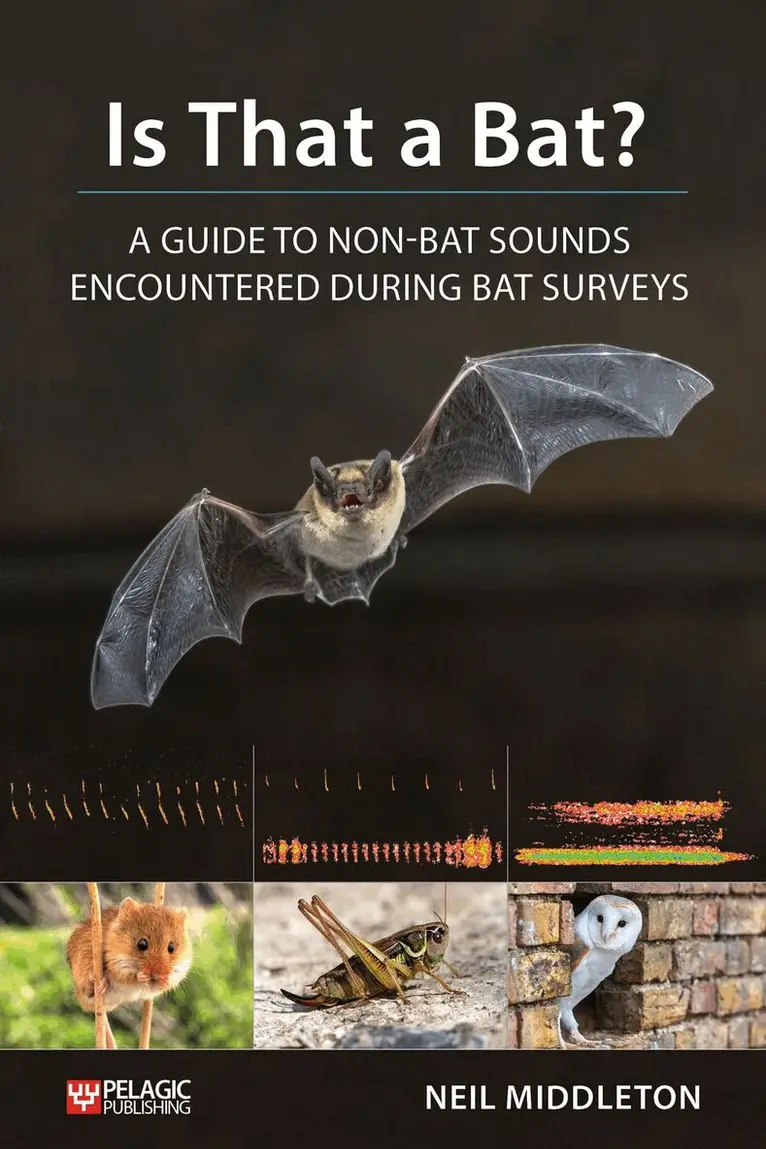
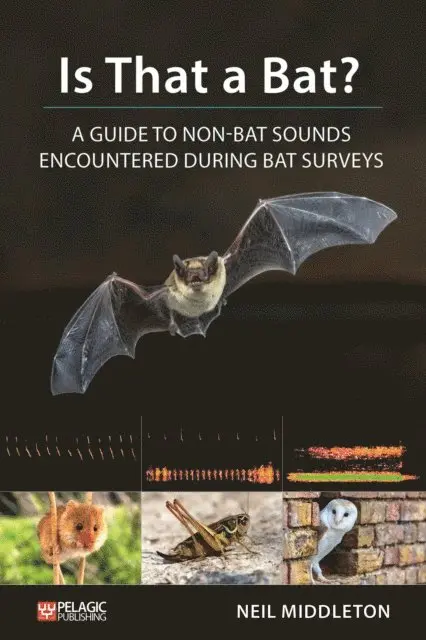
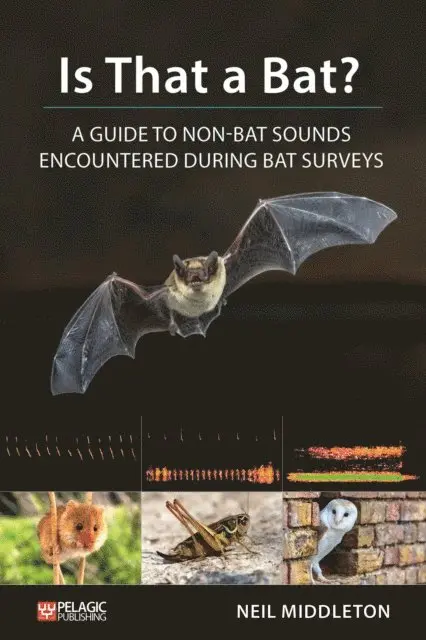
Bat detector surveys are carried out by ecological consultants, researchers, conservationists and hobbyists. Understanding and categorising non-bat sounds in surveys offers the potential of knock-on benefits for informing development projects (e.g. other important records discovered within a site), as well as the possibility of associated conservation benefits. In recent years the number of people carrying out these surveys and recording calls with bat detectors has grown considerably. These surveys often generate vast amounts of audio recordings, resulting in the heavy workload associated with completing the sound analysis and reporting process.
Those carrying out analysis can be distracted, intrigued or delayed owing to the occurrence of recordings that are unfamiliar and not identifiable to them. These recordings can relate to ‘difficult to ID’ bat species, but also, often, sounds not related to bats. This can be especially true when noise triggers such as insects, small mammals or birds look like bat-related noise. Therefore, only knowing what bats sound like is not enough. It is extremely useful to know what other sources of noise look and sound like within the same soundscape. This resource will help bat workers, in whatever environment they are in, to be more confident in recognising, categorising and dismissing other sounds. The book includes a substantial downloadable sound library (.wav format) that readers can listen to by ear or process through sound analysis software.
Is That a Bat? also caters for sounds that are also heard by ear alone, in the field, during the hours of darkness. These scenarios often have bat surveyors intrigued or confused as to what they are listening to. Occasionally, knowing what these sounds are could be important, or at the very least, of interest.
The first chapter caters for the subject overall, including suggestions from the author as to why the subject matter is of value. It also discusses bat-related calls (including social calls) with a view to offering comparisons against the other sources of sound discussed in separate chapters. Continuing through the book, there are chapters covering the following: small mammals; amphibians; insects; birds; electrical/mechanical noise; and other noise/nuisances. Within each chapter there are sub-sections about bat detector recorded sound, sound by ear, as well as advice on techniques and methods to reduce or increase the likelihood of recording other sounds. The book concludes with associated appendices, including a ‘Problem Solving Key’ to help those encountering an unfamiliar sound to narrow it down to the likely source.
With technology advancing at pace, the technical ability of the analyst is of huge importance. With a wider perspective and more knowledge, those responsible for interpreting field encounters can be more confident when making decisions about sources of sound. Apart from that, ‘knowing stuff’ makes the job far more interesting and gives the bat worker a greater appreciation of the natural world within which they are working.
958 kr
Läs direkt efter köp
Bat detector surveys are carried out by ecological consultants, researchers, conservationists and hobbyists. Understanding and categorising non-bat sounds in surveys offers the potential of knock-on benefits for informing development projects (e.g. other important records discovered within a site), as well as the possibility of associated conservation benefits. In recent years the number of people carrying out these surveys and recording calls with bat detectors has grown considerably. These surveys often generate vast amounts of audio recordings, resulting in the heavy workload associated with completing the sound analysis and reporting process.
Those carrying out analysis can be distracted, intrigued or delayed owing to the occurrence of recordings that are unfamiliar and not identifiable to them. These recordings can relate to ‘difficult to ID’ bat species, but also, often, sounds not related to bats. This can be especially true when noise triggers such as insects, small mammals or birds look like bat-related noise. Therefore, only knowing what bats sound like is not enough. It is extremely useful to know what other sources of noise look and sound like within the same soundscape. This resource will help bat workers, in whatever environment they are in, to be more confident in recognising, categorising and dismissing other sounds. The book includes a substantial downloadable sound library (.wav format) that readers can listen to by ear or process through sound analysis software.
Is That a Bat? also caters for sounds that are also heard by ear alone, in the field, during the hours of darkness. These scenarios often have bat surveyors intrigued or confused as to what they are listening to. Occasionally, knowing what these sounds are could be important, or at the very least, of interest.
The first chapter caters for the subject overall, including suggestions from the author as to why the subject matter is of value. It also discusses bat-related calls (including social calls) with a view to offering comparisons against the other sources of sound discussed in separate chapters. Continuing through the book, there are chapters covering the following: small mammals; amphibians; insects; birds; electrical/mechanical noise; and other noise/nuisances. Within each chapter there are sub-sections about bat detector recorded sound, sound by ear, as well as advice on techniques and methods to reduce or increase the likelihood of recording other sounds. The book concludes with associated appendices, including a ‘Problem Solving Key’ to help those encountering an unfamiliar sound to narrow it down to the likely source.
With technology advancing at pace, the technical ability of the analyst is of huge importance. With a wider perspective and more knowledge, those responsible for interpreting field encounters can be more confident when making decisions about sources of sound. Apart from that, ‘knowing stuff’ makes the job far more interesting and gives the bat worker a greater appreciation of the natural world within which they are working.
706 kr
Läs direkt efter köp
The social calls of bats are an area about which relatively little is known, with more research still required to expand our understanding. However, these calls are increasingly recognised as a useful aid to identification: they appear to be species specific and are indicative of behaviour – as in territorial activity of males during the mating season. Because the gathering and interpretation of bat echolocation data are a matter of course during research, conservation and consultancy, it is a logical progression to build momentum behind the consideration of social calls in mainstream bat-related work. A better understanding of this subject could mean that non-intrusive survey methods are developed, ensuring that what is being observed is, as far as possible, purely natural behaviour. In turn this will contribute to better interpretation and more suitable mitigation, compensation and/or enhancement solutions.
The book summarises what is understood so far about social calls of the bat species occurring in Britain and Ireland, and north-west Europe. This new edition has been updated and expanded throughout, now containing:
foreword by the bat authority Michel Barataud, author of Acoustic Ecology of European Bats almost double the number of figures and tables as appeared in the first editioncompletely overhauled call library, all in full spectrum format, with new additional examples three entirely new chapters, covering bat-related acoustics, settings for social interaction, and survey guidelinesThe material will be useful to people carrying out bat studies, at whatever level and for whatever purpose, and will also encourage others to undertake further research. What''s more, social calls are fascinating to listen to: they are, after all, produced with listeners in mind (other bats). In light of this, the book is accompanied by an extensive downloadable library of sound files which offer a unique gateway into the private life of bats.
1 022 kr
Läs direkt efter köp
The social calls of bats are an area about which relatively little is known, with more research still required to expand our understanding. However, these calls are increasingly recognised as a useful aid to identification: they appear to be species specific and are indicative of behaviour – as in territorial activity of males during the mating season. Because the gathering and interpretation of bat echolocation data are a matter of course during research, conservation and consultancy, it is a logical progression to build momentum behind the consideration of social calls in mainstream bat-related work. A better understanding of this subject could mean that non-intrusive survey methods are developed, ensuring that what is being observed is, as far as possible, purely natural behaviour. In turn this will contribute to better interpretation and more suitable mitigation, compensation and/or enhancement solutions.
The book summarises what is understood so far about social calls of the bat species occurring in Britain and Ireland, and north-west Europe. This new edition has been updated and expanded throughout, now containing:
foreword by the bat authority Michel Barataud, author of Acoustic Ecology of European Bats almost double the number of figures and tables as appeared in the first editioncompletely overhauled call library, all in full spectrum format, with new additional examples three entirely new chapters, covering bat-related acoustics, settings for social interaction, and survey guidelinesThe material will be useful to people carrying out bat studies, at whatever level and for whatever purpose, and will also encourage others to undertake further research. What''s more, social calls are fascinating to listen to: they are, after all, produced with listeners in mind (other bats). In light of this, the book is accompanied by an extensive downloadable library of sound files which offer a unique gateway into the private life of bats.
848 kr
Skickas
684 kr
Skickas inom 5-8 vardagar