Nell Andrew – författare
Visar alla böcker från författaren Nell Andrew. Handla med fri frakt och snabb leverans.
4 produkter
4 produkter
Inbunden, Engelska, 2020
1 825 kr
Skickas inom 7-10 vardagar
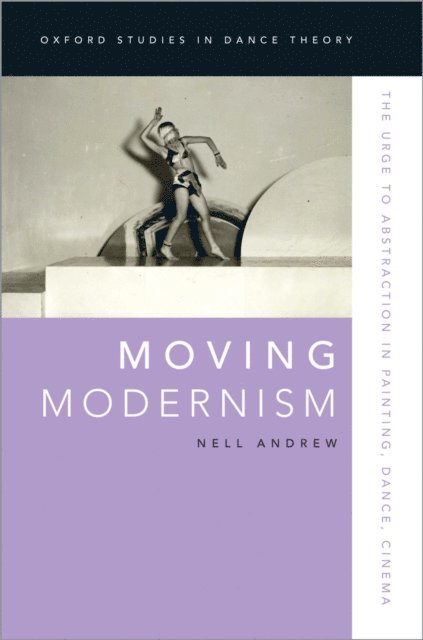
In early twentieth-century Europe, the watershed developments of pictorial abstraction, modern dance, and cinema coincided to shift the artistic landscape and the future of modern art. In Moving Modernism, Nell Andrew challenges assumptions about modernist abstraction and its appearance in the field of painting. By recovering performances, methods, and circles of aesthetic influence for avant-garde dance pioneers and filmmakers from the turn of the century to the interwar period — including dancer Loïe Fuller, who presented to symbolist artists the possibility of prolonged or suspended vision; Valentine de Saint-Point, whose radical dance paralleled the abstractions of cubo-futurist painting; Sophie Taeuber and her Dada dance; the Belgian "pure plastics" choreographer known as Akarova; and the dance-like cinema of Germaine Dulac — Andrew demonstrates that abstraction was deployed not only as modernist form but as an apparatus of creation, perception, and reception across artistic media.
Häftad, Engelska, 2020
475 kr
Skickas inom 5-8 vardagar
In early twentieth-century Europe, the watershed developments of pictorial abstraction, modern dance, and cinema coincided to shift the artistic landscape and the future of modern art. In Moving Modernism, Nell Andrew challenges assumptions about modernist abstraction and its appearance in the field of painting. By recovering performances, methods, and circles of aesthetic influence for avant-garde dance pioneers and filmmakers from the turn of the century to the interwar period — including dancer Loïe Fuller, who presented to symbolist artists the possibility of prolonged or suspended vision; Valentine de Saint-Point, whose radical dance paralleled the abstractions of cubo-futurist painting; Sophie Taeuber and her Dada dance; the Belgian "pure plastics" choreographer known as Akarova; and the dance-like cinema of Germaine Dulac — Andrew demonstrates that abstraction was deployed not only as modernist form but as an apparatus of creation, perception, and reception across artistic media.
E-bok
PDF, Engelska, 2020532 kr
Läs direkt efter köp
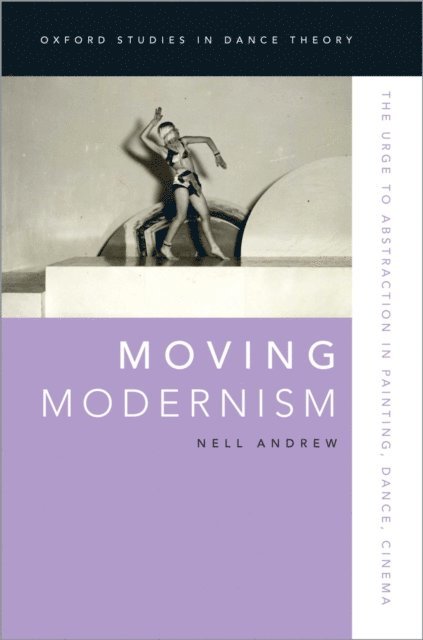
The emergence of modern dance and the early history of cinema ran concurrent with the European avant-garde''s development of pictorial abstraction in the first decades of the 20th century. However, many assume that modernist abstraction resulted from a century of natural, autonomous evolution to painting styles and tastes. In Moving Modernism, author Nell Andrew challenges this assumption. By examining dance and film created during this period, she argues that performative modes of art created the link between bodily movement and movement depicted in modernist paintings. In a seeming paradox, dance and film - durational arts, involving real bodies in space-participated in the development of abstract art.With archival material collected in North America and Europe, Moving Modernism resurfaces lost performances, identifies working methods, and establishes the circles of aesthetic influence and reception for avant-garde dance pioneers and experimental film makers from the turn of the century to the interwar period. Reexamining the motivation that fueled the emergence of abstraction, Andrew claims that painters sought meaning not only in the material and formal picture but also in temporal and sensorial experience. Andrew looks at major figures and intellectual movements including Loïe Fuller and Symbolism; Valentine de Saint-Point and the Cubo-Futurist and neo-Symbolist movements; and early cinematic abstraction from Edison and the Lumières to Hans Richter and Marcel Duchamp. Close examinations of each figure show that theatrical display, embodied self-projection, and kinesthetic desire are not necessarily in opposition to pictorial abstraction; in fact, they expand our understanding of the urges that created modern art.
E-bok
Engelska, 2020532 kr
Läs direkt efter köp
The emergence of modern dance and the early history of cinema ran concurrent with the European avant-garde''s development of pictorial abstraction in the first decades of the 20th century. However, many assume that modernist abstraction resulted from a century of natural, autonomous evolution to painting styles and tastes. In Moving Modernism, author Nell Andrew challenges this assumption. By examining dance and film created during this period, she argues that performative modes of art created the link between bodily movement and movement depicted in modernist paintings. In a seeming paradox, dance and film - durational arts, involving real bodies in space-participated in the development of abstract art.With archival material collected in North America and Europe, Moving Modernism resurfaces lost performances, identifies working methods, and establishes the circles of aesthetic influence and reception for avant-garde dance pioneers and experimental film makers from the turn of the century to the interwar period. Reexamining the motivation that fueled the emergence of abstraction, Andrew claims that painters sought meaning not only in the material and formal picture but also in temporal and sensorial experience. Andrew looks at major figures and intellectual movements including Loïe Fuller and Symbolism; Valentine de Saint-Point and the Cubo-Futurist and neo-Symbolist movements; and early cinematic abstraction from Edison and the Lumières to Hans Richter and Marcel Duchamp. Close examinations of each figure show that theatrical display, embodied self-projection, and kinesthetic desire are not necessarily in opposition to pictorial abstraction; in fact, they expand our understanding of the urges that created modern art.