Nerissa Russell – författare
Visar alla böcker från författaren Nerissa Russell. Handla med fri frakt och snabb leverans.
4 produkter
4 produkter
Häftad, Engelska, 2011
735 kr
Skickas inom 7-10 vardagar
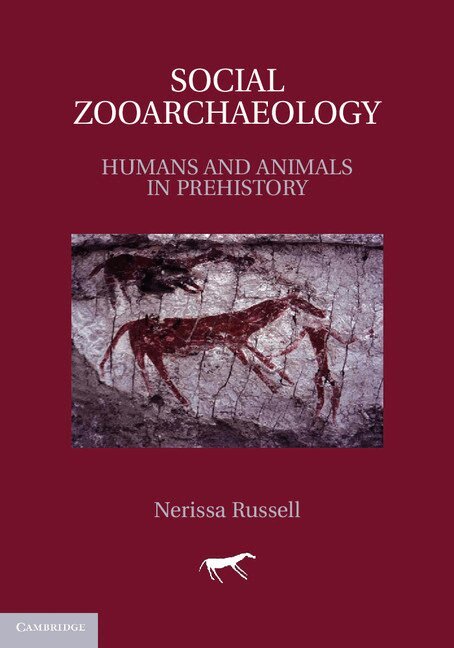
This is the first book to provide a systematic overview of social zooarchaeology, which takes a holistic view of human-animal relations in the past. Until recently, archaeological analysis of faunal evidence has primarily focused on the role of animals in the human diet and subsistence economy. This book, however, argues that animals have always played many more roles in human societies: as wealth, companions, spirit helpers, sacrificial victims, totems, centerpieces of feasts, objects of taboos, and more. These social factors are as significant as taphonomic processes in shaping animal bone assemblages. Nerissa Russell uses evidence derived from not only zooarchaeology, but also ethnography, history and classical studies, to suggest the range of human-animal relationships and to examine their importance in human society. Through exploring the significance of animals to ancient humans, this book provides a richer picture of past societies.
Inbunden, Engelska, 2011
1 197 kr
Skickas inom 7-10 vardagar
This is the first book to provide a systematic overview of social zooarchaeology, which takes a holistic view of human-animal relations in the past. Until recently, archaeological analysis of faunal evidence has primarily focused on the role of animals in the human diet and subsistence economy. This book, however, argues that animals have always played many more roles in human societies: as wealth, companions, spirit helpers, sacrificial victims, totems, centerpieces of feasts, objects of taboos, and more. These social factors are as significant as taphonomic processes in shaping animal bone assemblages. Nerissa Russell uses evidence derived from not only zooarchaeology, but also ethnography, history and classical studies, to suggest the range of human-animal relationships and to examine their importance in human society. Through exploring the significance of animals to ancient humans, this book provides a richer picture of past societies.
Häftad, Engelska, 2026
237 kr
Skickas inom 7-10 vardagar
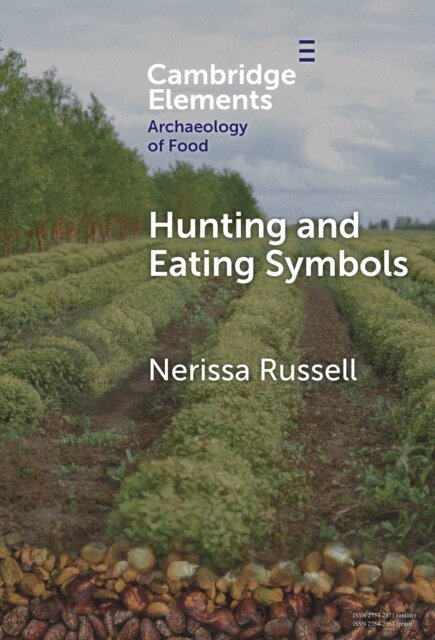
This Element approaches large game hunting through a social and symbolic lens. In most societies, the hunting and consumption of certain iconic species carries deep symbolism and is surrounded by ritualized practices. However, the form of these rituals and symbols varies substantially. The Element explores some recurring themes associated with hunting and eating game, such as gender, prestige, and generosity, and trace how these play out in the context of egalitarian versus hierarchical societies, foragers versus farmers, and in different parts of the world. Once people start herding domestic livestock, hunting takes on a new significance as an engagement with what is now defined as the Wild. Foragers do not make this distinction, but their interactions with prey animals are also heavily symbolic. As societies become more stratified, hunting large animals may be partly or entirely reserved for the elite, and hunting practices are elaborated to display and build power.
Inbunden, Engelska, 2026
764 kr
Skickas inom 7-10 vardagar
This Element approaches large game hunting through a social and symbolic lens. In most societies, the hunting and consumption of certain iconic species carries deep symbolism and is surrounded by ritualized practices. However, the form of these rituals and symbols varies substantially. The Element explores some recurring themes associated with hunting and eating game, such as gender, prestige, and generosity, and trace how these play out in the context of egalitarian versus hierarchical societies, foragers versus farmers, and in different parts of the world. Once people start herding domestic livestock, hunting takes on a new significance as an engagement with what is now defined as the Wild. Foragers do not make this distinction, but their interactions with prey animals are also heavily symbolic. As societies become more stratified, hunting large animals may be partly or entirely reserved for the elite, and hunting practices are elaborated to display and build power.