Neven Andjelic – författare
Visar alla böcker från författaren Neven Andjelic. Handla med fri frakt och snabb leverans.
6 produkter
6 produkter
Häftad, Engelska, 2003
917 kr
Skickas inom 10-15 vardagar
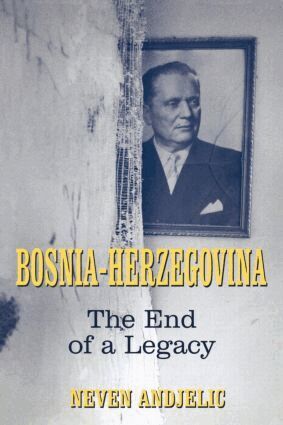
When the war in Bosnia-Herzegovina broke out a baffled world sought explanations from a range of experts who offered a variety of reasons for the conflict. The author of this study takes Bosnian affairs seriously and in so doing makes it much easier to grasp why the war occurred.
E-bok
Engelska, 20041 059 kr
Läs direkt efter köp
When the war in Bosnia-Herzegovina broke out a baffled world sought explanations from a range of experts who offered a variety of reasons for the conflict. The author of this study takes Bosnian affairs seriously and in so doing makes it much easier to grasp why the war occurred.
E-bok
PDF, Engelska, 20041 059 kr
Läs direkt efter köp
When the war in Bosnia-Herzegovina broke out a baffled world sought explanations from a range of experts who offered a variety of reasons for the conflict. The author of this study takes Bosnian affairs seriously and in so doing makes it much easier to grasp why the war occurred.
Del 5 - European Union and its Neighbours in a Globalized World
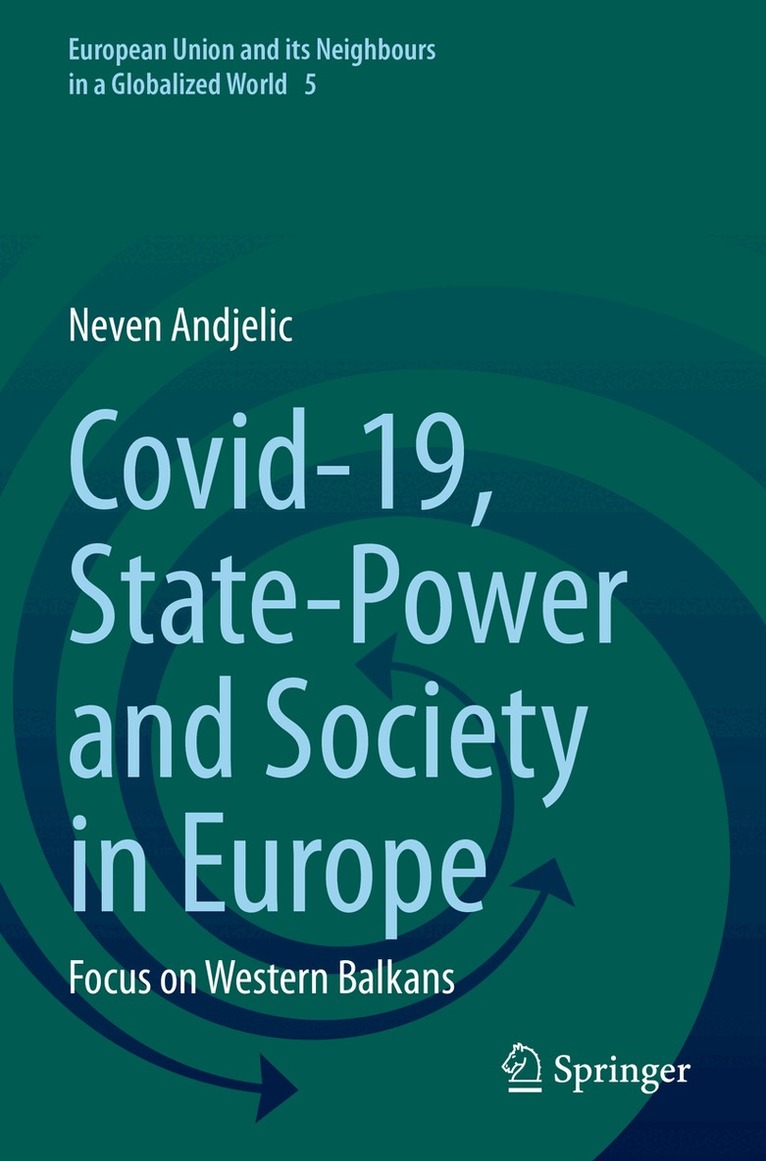
Covid-19, State-Power and Society in Europe
Focus on Western Balkans
Inbunden, Engelska, 2022
1 192 kr
Skickas inom 10-15 vardagar
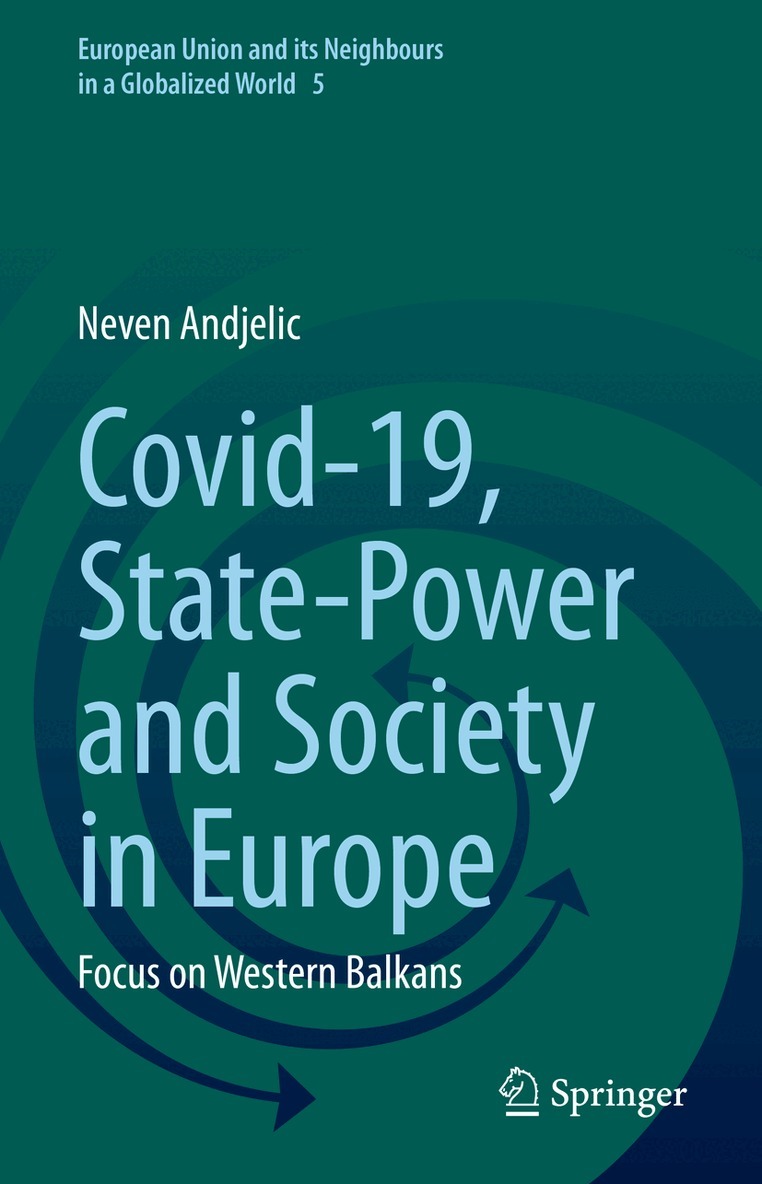
This book explores the current state of society in Europe in general and the regimes and societies of the Western Balkans in particular. The pandemic and near-universal lockdown have provided an ideal cut-off date for the collection of indices from reputable academic sources that cover the nature of these regimes, individual human freedoms, economic freedoms, the rule of law, human rights and media freedoms. The aggregated findings from the 20 individual indices provide comprehensive data to support original findings and the characterisation of societies in 45 European states. Admittedly, there are differences in the methodologies and samples among the indices consulted. Nonetheless, taken together they offer a solid basis for developing arguments concerning the diversity of regimes, governance and societies in Europe and drawing well-founded conclusions on the nature of society in various parts of Europe. Though the book’s main focus is on the Western Balkans, the region is put in a pan-European context. The issues of migration, minorities, global geopolitics, the crisis of liberal democracy – they all play into developments that are specific to the Western Balkans. The book answers the question of whether the pandemic has allowed local regimes to strengthen their power and exert greater control over society, making it possible to formulate arguments regarding the future of Europe and its integrative processes. In closing, the book investigates Western Balkan regimes’ reactions to the pandemic in the context of governance, society and state power, before addressing the question of whether the future of the Western Balkans lies in the “liberal club”, or whether local hybrid regimes will become even more influential in the near future.
E-bok
Engelska, 20221 594 kr
Läs direkt efter köp
This book explores the current state of society in Europe in general and the regimes and societies of the Western Balkans in particular. The pandemic and near-universal lockdown have provided an ideal cut-off date for the collection of indices from reputable academic sources that cover the nature of these regimes, individual human freedoms, economic freedoms, the rule of law, human rights and media freedoms. The aggregated findings from the 20 individual indices provide comprehensive data to support original findings and the characterisation of societies in 45 European states. Admittedly, there are differences in the methodologies and samples among the indices consulted. Nonetheless, taken together they offer a solid basis for developing arguments concerning the diversity of regimes, governance and societies in Europe and drawing well-founded conclusions on the nature of society in various parts of Europe. Though the book’s main focus is on the Western Balkans, the region is put in a pan-European context. The issues of migration, minorities, global geopolitics, the crisis of liberal democracy – they all play into developments that are specific to the Western Balkans. The book answers the question of whether the pandemic has allowed local regimes to strengthen their power and exert greater control over society, making it possible to formulate arguments regarding the future of Europe and its integrative processes. In closing, the book investigates Western Balkan regimes’ reactions to the pandemic in the context of governance, society and state power, before addressing the question of whether the future of the Western Balkans lies in the “liberal club”, or whether local hybrid regimes will become even more influential in the near future.
Del 5 - European Union and its Neighbours in a Globalized World
Covid-19, State-Power and Society in Europe
Focus on Western Balkans
Häftad, Engelska, 2023
1 192 kr
Skickas inom 10-15 vardagar
This book explores the current state of society in Europe in general and the regimes and societies of the Western Balkans in particular. The pandemic and near-universal lockdown have provided an ideal cut-off date for the collection of indices from reputable academic sources that cover the nature of these regimes, individual human freedoms, economic freedoms, the rule of law, human rights and media freedoms. The aggregated findings from the 20 individual indices provide comprehensive data to support original findings and the characterisation of societies in 45 European states. Admittedly, there are differences in the methodologies and samples among the indices consulted. Nonetheless, taken together they offer a solid basis for developing arguments concerning the diversity of regimes, governance and societies in Europe and drawing well-founded conclusions on the nature of society in various parts of Europe. Though the book’s main focus is on the Western Balkans, the region is put in a pan-European context. The issues of migration, minorities, global geopolitics, the crisis of liberal democracy – they all play into developments that are specific to the Western Balkans. The book answers the question of whether the pandemic has allowed local regimes to strengthen their power and exert greater control over society, making it possible to formulate arguments regarding the future of Europe and its integrative processes. In closing, the book investigates Western Balkan regimes’ reactions to the pandemic in the context of governance, society and state power, before addressing the question of whether the future of the Western Balkans lies in the “liberal club”, or whether local hybrid regimes will become even more influential in the near future.