
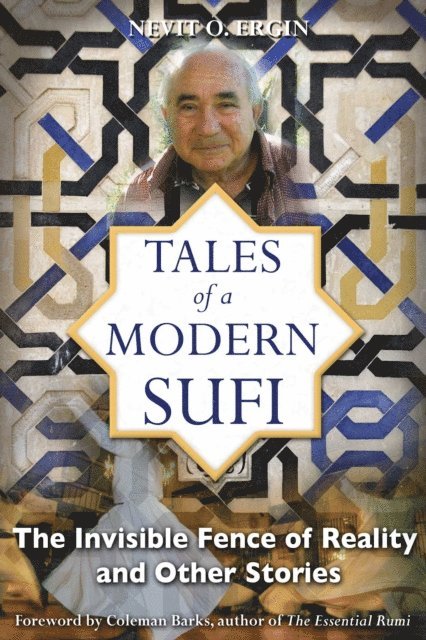
A collection of modern Sufi tales by renowned Rumi translator and Sufi initiate Nevit Ergin • Contains 24 deceptively simple stories that invoke questioning and awareness • By the renowned English translator of Rumi’s complete Divan-i Kebir Sufi stories have traditionally been a means of opening a portal that allows us to advance from our basic perceptions into states of extraordinary awareness. This collection of deceptively simple stories by renowned Rumi translator and Sufi Nevit Ergin has the ability to remove readers’ complacent sense of self and identity and to expand their ordinary awareness of reality from every possible direction. In his stories the primrose path we travel suddenly turns into a trickster’s hall of mirrors where we learn that we are not children of Adam and Eve so much as children of our perceptions. The protagonists and antagonists of these stories are constantly morphing and exchanging places. They exist in a world where individuals are stalked by a cricket that is an “invisible monster with the face of a demon,” confront the ambiguous burden of ridding oneself of one’s own corpse, and discover the “invisible fence of reality” existing in the layers of a discarded piece of art. The symbols in these stories are booby traps designed to release the mind from the sense of its own importance and awaken the realization that “if you refuse to be born, you cannot die.” Blind faith, the author says, has proved itself incapable of producing wisdom, tolerance, or world peace. This is because the answers to humanity’s problems lie beyond our ordinary perception and require love and ecstasy to be made visible. Our thirst for wisdom and understanding must go to the fountain of universal truth. These stories provide water from that fountain.
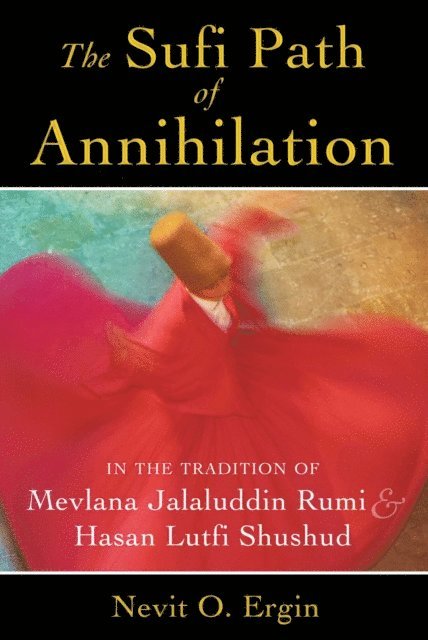
An exploration of the profound Sufi practice of Itlak Yolu • Examines the three main facets of this practice: zikr or breathing exercises, fasting, and mental suffering • Shares new Sufi parables, the sayings of Sufi master Hasan Lutfi Shushud, and Rumi’s philosophy on annihilation of the Self • Reveals how once the Self is annihilated higher levels of perception are reached In this exploration of the profound spiritual practice of Itlak Yolu, the Sufi path of annihilation, Nevit Ergin examines the three main facets of this path: zikr or breathing exercises, fasting, and mental suffering. Sharing experiences and discussions with Hasan Lutfi Shushud, renowned Sufi saint and final guide of Gurdjieff’s disciple J. G. Bennett, the author illustrates how suffering--“the searing fire of contrition”--is the most effective instrument of spiritual progress, for it is suffering that burns the Self. He explains how faithful practice of zikr and fasting will bring on this kind of suffering when the student is ready and will make the suffering tolerable. He shows how once the Self is annihilated higher levels of perception take hold and one finds oneself on the path to sainthood and immortality. Interwoven throughout with sayings by Shushud, Sufi parables, and poems by Rumi, Ergin shares the unique Itlak perspective on the major questions of every seeker: the true nature of love and religion, life and death, and other major spiritual questions. The book also includes an essay on annihilation and absence in Rumi’s philosophy and biographical portraits of Hasan Lufti Shushud by other aspirants who met with him.
A collection of modern Sufi tales by renowned Rumi translator and Sufi initiate Nevit Ergin • Contains 24 deceptively simple stories that invoke questioning and awareness • By the renowned English translator of Rumi’s complete Divan-i Kebir Sufi stories have traditionally been a means of opening a portal that allows us to advance from our basic perceptions into states of extraordinary awareness. This collection of deceptively simple stories by renowned Rumi translator and Sufi Nevit Ergin has the ability to remove readers’ complacent sense of self and identity and to expand their ordinary awareness of reality from every possible direction. In his stories the primrose path we travel suddenly turns into a trickster’s hall of mirrors where we learn that we are not children of Adam and Eve so much as children of our perceptions. The protagonists and antagonists of these stories are constantly morphing and exchanging places. They exist in a world where individuals are stalked by a cricket that is an “invisible monster with the face of a demon,” confront the ambiguous burden of ridding oneself of one’s own corpse, and discover the “invisible fence of reality” existing in the layers of a discarded piece of art. The symbols in these stories are booby traps designed to release the mind from the sense of its own importance and awaken the realization that “if you refuse to be born, you cannot die.” Blind faith, the author says, has proved itself incapable of producing wisdom, tolerance, or world peace. This is because the answers to humanity’s problems lie beyond our ordinary perception and require love and ecstasy to be made visible. Our thirst for wisdom and understanding must go to the fountain of universal truth. These stories provide water from that fountain.
An exploration of the profound Sufi practice of Itlak Yolu • Examines the three main facets of this practice: zikr or breathing exercises, fasting, and mental suffering • Shares new Sufi parables, the sayings of Sufi master Hasan Lutfi Shushud, and Rumi’s philosophy on annihilation of the Self • Reveals how once the Self is annihilated higher levels of perception are reached In this exploration of the profound spiritual practice of Itlak Yolu, the Sufi path of annihilation, Nevit Ergin examines the three main facets of this path: zikr or breathing exercises, fasting, and mental suffering. Sharing experiences and discussions with Hasan Lutfi Shushud, renowned Sufi saint and final guide of Gurdjieff’s disciple J. G. Bennett, the author illustrates how suffering--“the searing fire of contrition”--is the most effective instrument of spiritual progress, for it is suffering that burns the Self. He explains how faithful practice of zikr and fasting will bring on this kind of suffering when the student is ready and will make the suffering tolerable. He shows how once the Self is annihilated higher levels of perception take hold and one finds oneself on the path to sainthood and immortality. Interwoven throughout with sayings by Shushud, Sufi parables, and poems by Rumi, Ergin shares the unique Itlak perspective on the major questions of every seeker: the true nature of love and religion, life and death, and other major spiritual questions. The book also includes an essay on annihilation and absence in Rumi’s philosophy and biographical portraits of Hasan Lufti Shushud by other aspirants who met with him.