Nicholas Diak – författare
Visar alla böcker från författaren Nicholas Diak. Handla med fri frakt och snabb leverans.
5 produkter
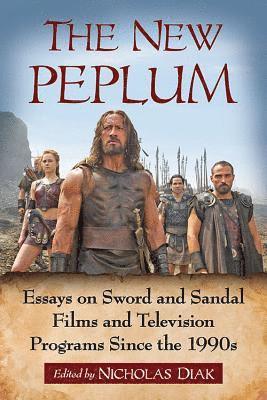
New Peplum
Essays on Sword and Sandal Films and Television Programs Since the 1990s
Häftad, 2017
517 kr
Lägg i varukorg
Peplum or "sword-and-sandal" films--an Italian genre of the late 1950s through the 1960s--featured ancient Greek, Roman and Biblical stories with gladiators, mythological monsters and legendary quests. The new wave of historic epics, known as neo-pepla, is distinctly different, embracing new …
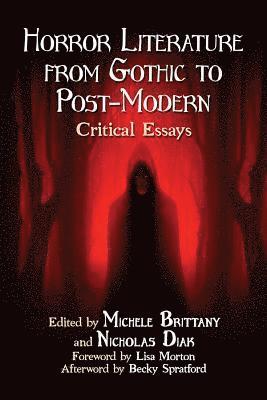
Horror Literature from Gothic to Post-Modern
Critical Essays
Av Michele Brittany, Nicholas Diak
Häftad, 2020
420 kr
Lägg i varukorg
From shambling zombies to Gothic ghosts, horror has entertained thrill-seeking readers for centuries. A versatile literary genre, it offers commentary on societal issues, fresh insight into the everyday and moral tales disguised in haunting tropes and grotesque acts, with many stories worthy of …
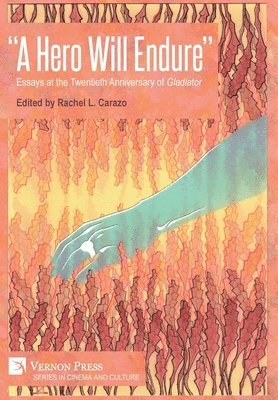
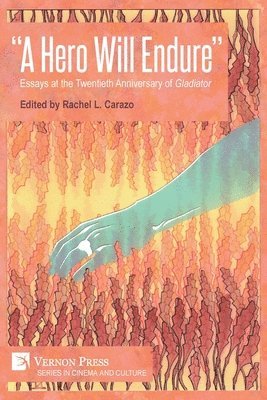
"A Hero Will Endure": Essays at the Twentieth Anniversary of 'Gladiator'
Av Kimberly A. Owczarski, Stefano Rozzoni m. fl.
Inbunden, 2023
1367 kr
Lägg i varukorg
"A Hero Will Endure": Essays at the Twentieth Anniversary of 'Gladiator'
Av Kimberly A. Owczarski, Stefano Rozzoni m. fl.
Häftad, 2024
751 kr
Lägg i varukorg