Nicholas M rquez-Grant – författare
1 068 kr
Läs direkt efter köp
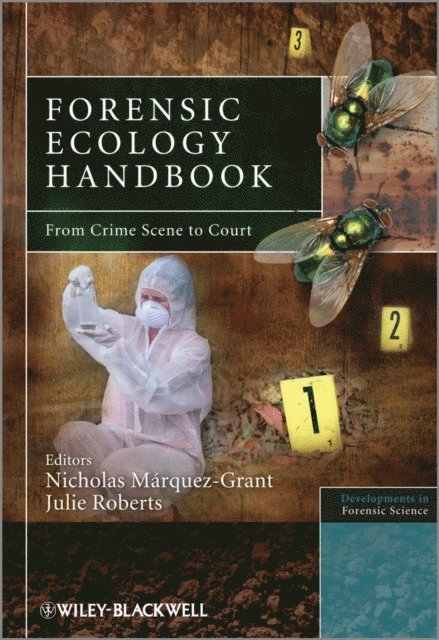
The analysis of plants, insects, soil and other particulates from scenes of crime can be vital in proving or excluding contact between a suspect and a scene, targeting search areas, and establishing a time and place of death. Forensic Ecology: A Practitioner’s Guide provides a complete handbook covering all aspects of forensic ecology. Bringing together the forensic applications of anthropology, archaeology, entomology, palynology and sedimentology in one volume, this book provides an essential resource for practitioners in the field of forensic science, whether crime scene investigators, forensic science students or academics involved in the recovery and analysis of evidence from crime scenes.
Forensic Ecology: A Practitioner’s Guide includes information not only on the search, location, recovery and analysis of evidence, but includes sampling strategies for diatom analysis, pollen and soils samples and entomology and provides guides for good practice. Each chapter provides background information on each discipline and is structured according to pre-scene attendance (what questions should the scientist ask when receiving a call? What sort of preparation is required?), scene attendance (including protocols at the scene, sampling strategies, recording), scientific examination of analysis of the evidence up to the stages and guidelines for witness statement and presenting evidence in court.
The book is written by specialists in all fields with a wealth of experience who are current forensic practitioners around the world. It provides an essential and accessible resource for students, academics, forensic practitioners and police officers everywhere.
1 078 kr
Läs direkt efter köp
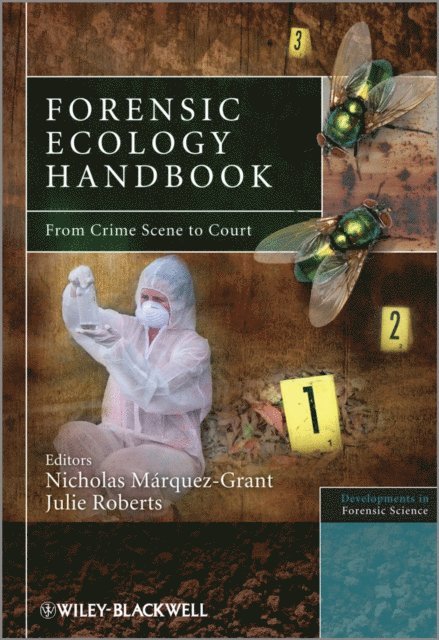
The analysis of plants, insects, soil and other particulates from scenes of crime can be vital in proving or excluding contact between a suspect and a scene, targeting search areas, and establishing a time and place of death. Forensic Ecology: A Practitioner’s Guide provides a complete handbook covering all aspects of forensic ecology. Bringing together the forensic applications of anthropology, archaeology, entomology, palynology and sedimentology in one volume, this book provides an essential resource for practitioners in the field of forensic science, whether crime scene investigators, forensic science students or academics involved in the recovery and analysis of evidence from crime scenes.
Forensic Ecology: A Practitioner’s Guide includes information not only on the search, location, recovery and analysis of evidence, but includes sampling strategies for diatom analysis, pollen and soils samples and entomology and provides guides for good practice. Each chapter provides background information on each discipline and is structured according to pre-scene attendance (what questions should the scientist ask when receiving a call? What sort of preparation is required?), scene attendance (including protocols at the scene, sampling strategies, recording), scientific examination of analysis of the evidence up to the stages and guidelines for witness statement and presenting evidence in court.
The book is written by specialists in all fields with a wealth of experience who are current forensic practitioners around the world. It provides an essential and accessible resource for students, academics, forensic practitioners and police officers everywhere.
1 760 kr
Läs direkt efter köp
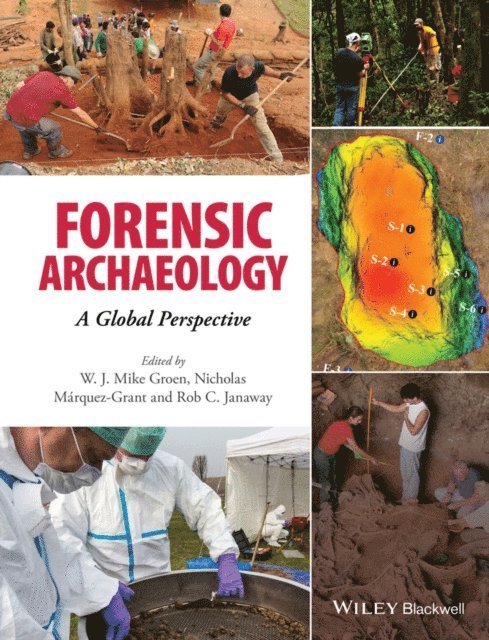
Forensic archaeology is mostly defined as the use of archaeological methods and principles within a legal context. However, such a definition only covers one aspect of forensic archaeology and misses the full potential this discipline has to offer. This volume is unique in that it contains 57 chapters from experienced forensic archaeological practitioners working in different countries, intergovernmental organisations or NGO’s. It shows that the practice of forensic archaeology varies worldwide as a result of diverse historical, educational, legal and judicial backgrounds. The chapters in this volume will be an invaluable reference to (forensic) archaeologists, forensic anthropologists, humanitarian and human rights workers, forensic scientists, police officers, professionals working in criminal justice systems and all other individuals who are interested in the potential forensic archaeology has to offer at scenes of crime or places of incident. This volume promotes the development of forensic archaeology worldwide. In addition, it proposes an interpretative framework that is grounded in archaeological theory and methodology, integrating affiliated behavioural and forensic sciences.
1 760 kr
Läs direkt efter köp
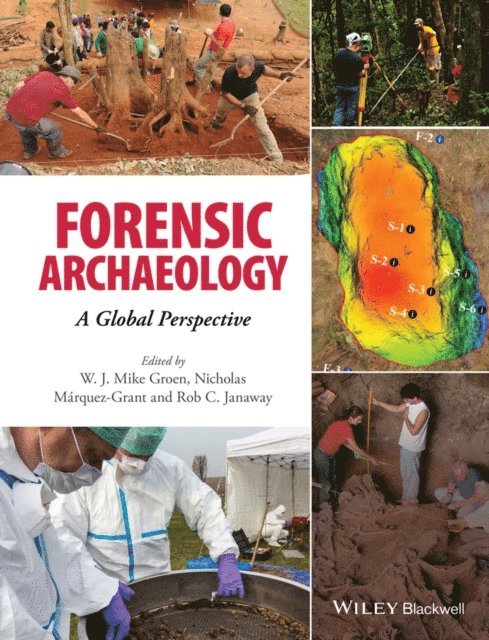
Forensic archaeology is mostly defined as the use of archaeological methods and principles within a legal context. However, such a definition only covers one aspect of forensic archaeology and misses the full potential this discipline has to offer. This volume is unique in that it contains 57 chapters from experienced forensic archaeological practitioners working in different countries, intergovernmental organisations or NGO’s. It shows that the practice of forensic archaeology varies worldwide as a result of diverse historical, educational, legal and judicial backgrounds. The chapters in this volume will be an invaluable reference to (forensic) archaeologists, forensic anthropologists, humanitarian and human rights workers, forensic scientists, police officers, professionals working in criminal justice systems and all other individuals who are interested in the potential forensic archaeology has to offer at scenes of crime or places of incident. This volume promotes the development of forensic archaeology worldwide. In addition, it proposes an interpretative framework that is grounded in archaeological theory and methodology, integrating affiliated behavioural and forensic sciences.
1 571 kr
Läs direkt efter köp
A truly interdisciplinary approach to this core subject within Forensic Science
Combines essential theory with practical crime scene work Includes case studies Applicable to all time periods so has relevance for conventional archaeology, prehistory and anthropology Combines points of view from both established practitioners and young researchers to ensure relevance1 557 kr
Läs direkt efter köp
A truly interdisciplinary approach to this core subject within Forensic Science
Combines essential theory with practical crime scene work Includes case studies Applicable to all time periods so has relevance for conventional archaeology, prehistory and anthropology Combines points of view from both established practitioners and young researchers to ensure relevance