Nicholas Petraco – författare
Visar alla böcker från författaren . Handla med fri frakt och snabb leverans.
16 produkter
16 produkter
E-bok
PDF, Engelska, 20031 328 kr
Läs direkt efter köp
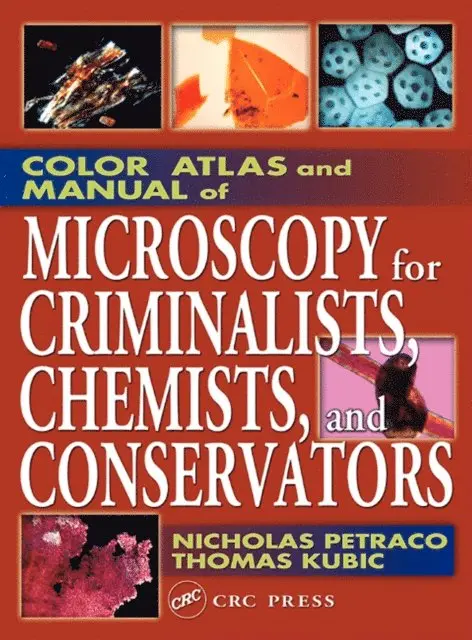
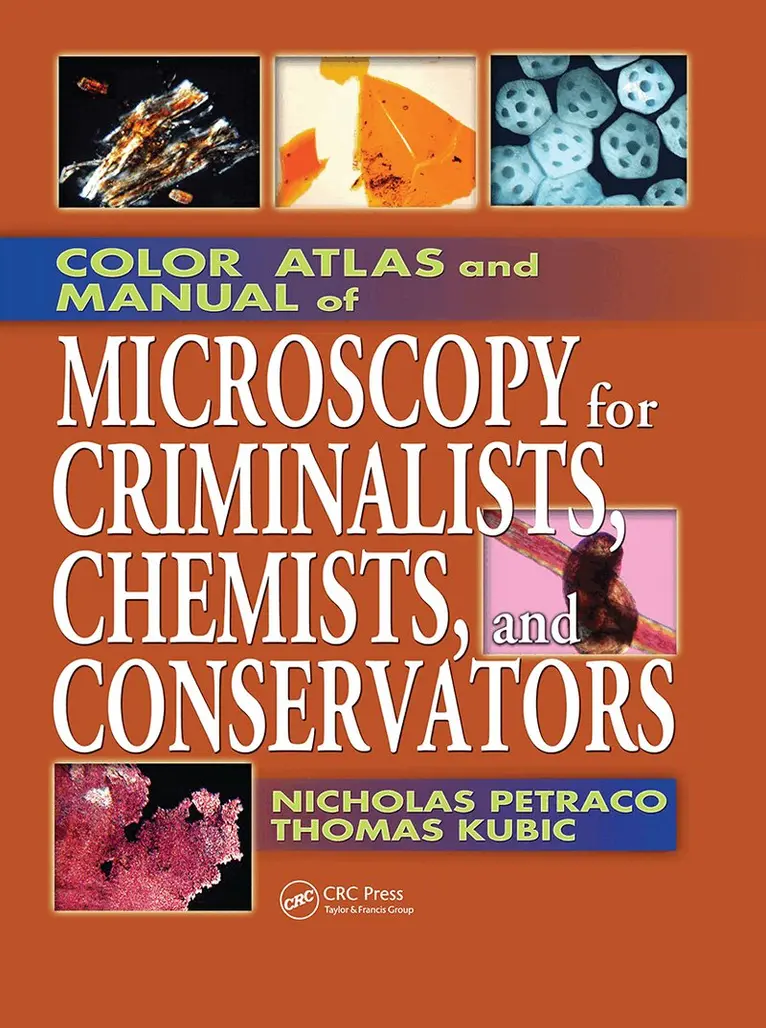
Professionals in many disciplines, from archeology to forensic science and anthropology, must be able to identify organic and inorganic fibers and particles. In a single source, this book presents a range of simple methods to help readers quickly characterize and identify a broad range of materials.
Inbunden, Engelska, 2005
2 596 kr
Skickas inom 5-8 vardagar
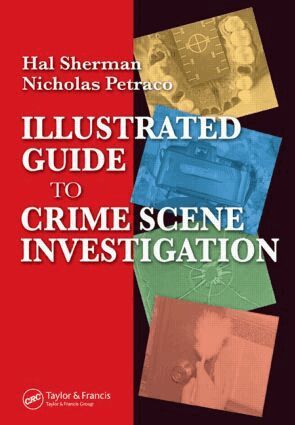
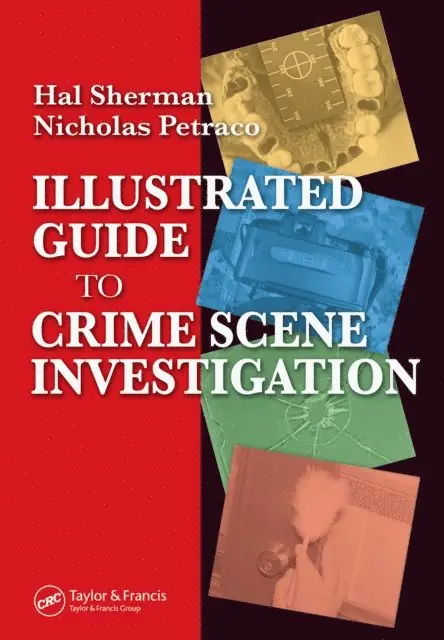
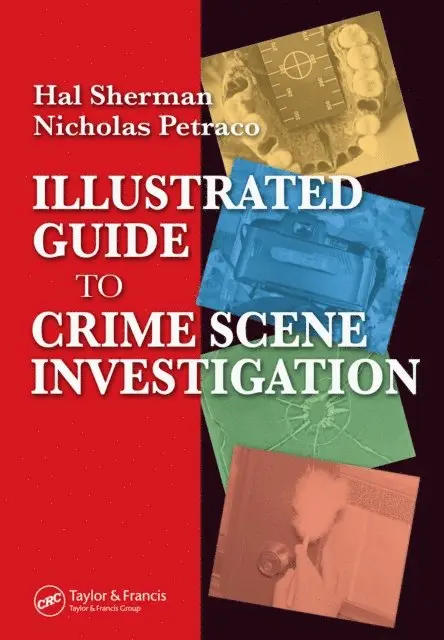
You are the first to arrive at the scene. You secure the area, and record what the human eye can see so far. You begin your search. You come across what appears to be physical evidence, and proceed to carefully document, package, and transport it to the lab. You fill out the routine paperwork, and feel secure in the knowledge that you have done everything possible to uncover every piece of crucial evidence - but have you?Co-authored by two seasoned forensic professionals, the Illustrated Guide to Crime Scene Investigation is an essential reference that explains the protocols used in successful crime scene investigation. It presents straightforward and scientifically supported procedures in a vivid pictorial format that explain how to accurately and efficiently document what has been left behind at the scene of a crime.This comprehensive resource presents the concept of SCRIPT: the Searching for and Collection of, Recording, Initializing, Packaging, and Transporting of physical evidence from the scene of a forensic inquiry to a forensic laboratory. It outlines this methodology by providing step-by-step instructions, over 400 photographs, other illustrations, and short narrative segments that guide you through crime scene investigations involving burglary, homicide, robbery, sex crime, and arson or explosion.If you want to be confident that you have uncovered and carefully processed every bit of potential physical evidence on the scene, then the Illustrated Guide to Crime Scene Investigation is the one reference to have with you every time.
Häftad, Engelska, 2024
1 212 kr
Skickas inom 10-15 vardagar
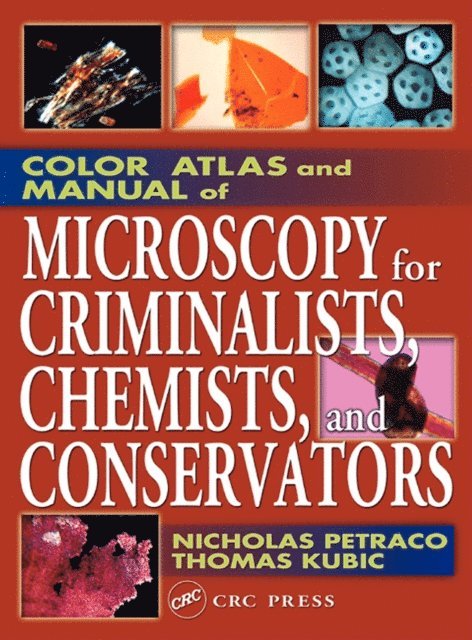
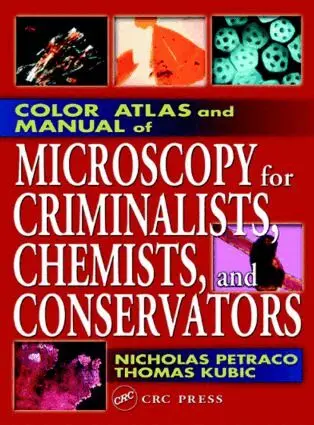
Professionals in many disciplines, from archeology to forensic science and anthropology, must be able to identify organic and inorganic fibers and particles. In a single source, this book presents a range of simple methods to help readers quickly characterize and identify a broad range of materials. Covering substances such as hair and fibers, minerals and soils, paints, drugs, and dust, the book presents the basic principles of microscopy and directions for sample preparation and examination. Most importantly, it offers more than 400 color photomicrographs of the most commonly encountered materials for specimen comparison and rapid identification.
Häftad, Engelska, 2024
937 kr
Skickas inom 10-15 vardagar
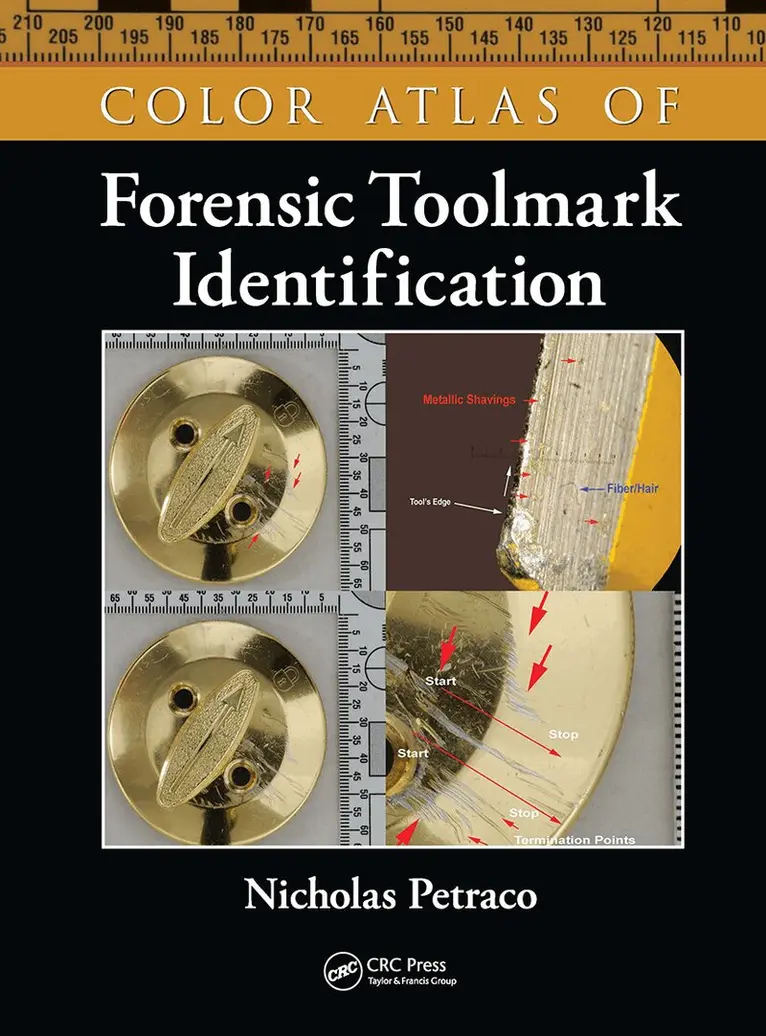
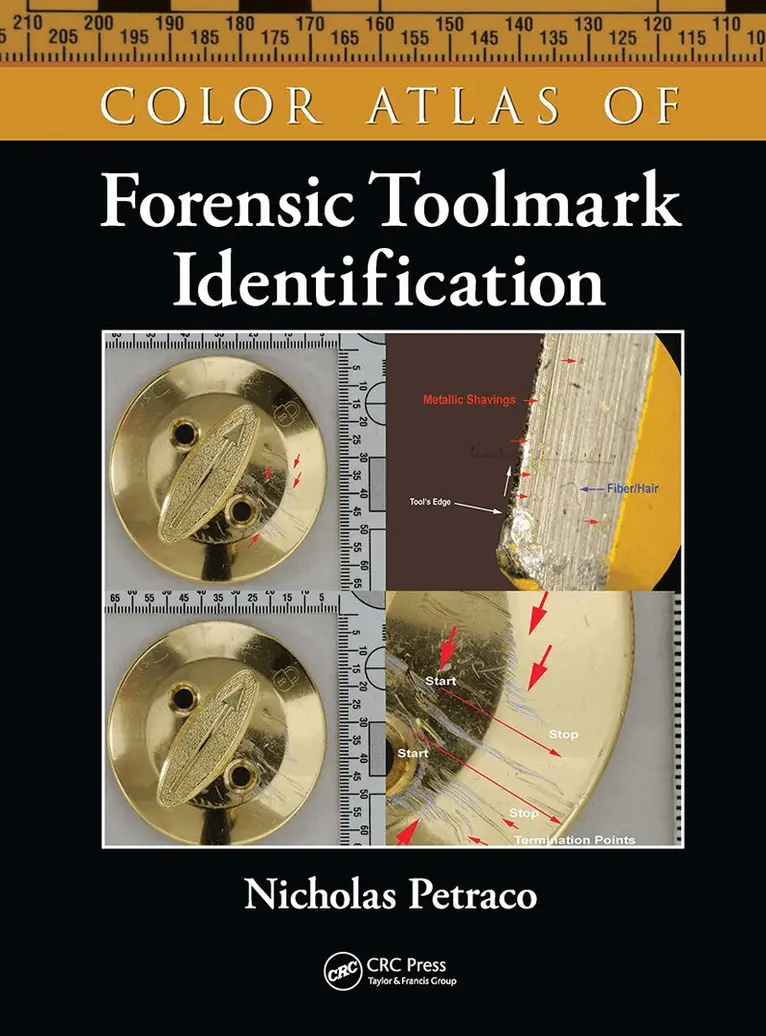
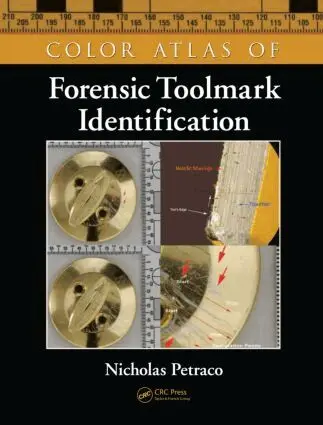
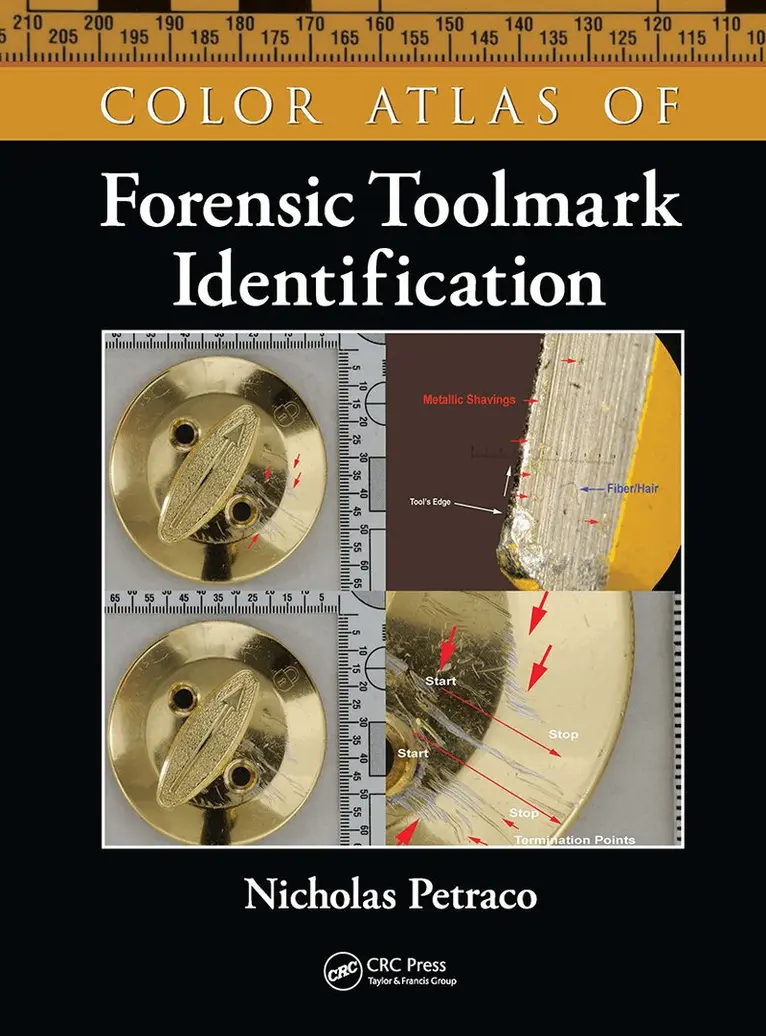
In the wake of the Daubert ruling, the use of forensic toolmark evidence in court has been problematic, in that the conclusions of forensic scientists as to toolmark origin often lack scientifically sound statistical proof. In the Color Atlas of Forensic Toolmark Identification, noted forensic expert Nicholas Petraco helps move toolmark examination from an art to a science. The first part of the book contains an anthology of tried and true methods, procedures, and traditional techniques used by practitioners of this discipline for over a century. It contains rationales and methodologies for casework, discussion of the use of new materials and techniques for preparation of known standards, and the application of various methods of statistical proof to further establish toolmark examination as a sound scientific endeavor. The second section contains a compilation of commonly used hand tools and the marks they typically produce. Provides clear instruction on how to:Use lenses and microscopes to view images of toolmarksMake accurate and precise measurements of tools on macroscopic and microscopic scalesProperly photograph toolmark evidenceCompare a subject tool with the questioned toolmarks to determine toolmark originExamines marks made by a range of tools, including:ScrewdriversCrowbars and prybarsHandsawsHammersHatchets and AxesWrenchesVise gripsPliersWire cuttersMetal snipsCrimping toolsKnives and scissorsChisels and punchesDrill bitsMore than 400 color photos enhance the text, and numerous case studies describe evidence found and conclusions drawn from the evidence. This unique atlas empowers law enforcement professionals to capture the evidence they need to solve the case.About the AuthorNicholas Petraco earned a B.S. in chemistry and an M.S. in forensic science from John Jay College of Criminal Justice, the City University of New York. He served as a detective/criminalist at New York City’s Police Laboratory from 1968 to 1990 and held the position of senior forensic microscopist of the laboratory’s trace section between 1982 and 1990, when he became a private forensic consultant. Mr. Petraco has helped educate thousands of forensic scientists, worked on more than 5000 death investigations on behalf of prosecution and defense attorneys, and testified as an expert in more than 500 trials conducted in local, state, and federal criminal and civil courts.
E-bok
Engelska, 20052 018 kr
Läs direkt efter köp
You are the first to arrive at the scene. You secure the area, and record what the human eye can see so far. You begin your search. You come across what appears to be physical evidence, and proceed to carefully document, package, and transport it to the lab. You fill out the routine paperwork, and feel secure in the knowledge that you have done eve
E-bok
Engelska, 20101 059 kr
Läs direkt efter köp
In the wake of the Daubert ruling, the use of forensic toolmark evidence in court has been problematic, in that the conclusions of forensic scientists as to toolmark origin often lack scientifically sound statistical proof. In the Color Atlas of Forensic Toolmark Identification, noted forensic expert Nicholas Petraco helps move toolmark examination
E-bok
Engelska, 20183 329 kr
Läs direkt efter köp
A laboratory companion to Forensic Science: An Introduction to Scientific and Investigative Techniques and other undergraduate texts, Forensic Science Laboratory Manual and Workbook, Third Edition provides a plethora of basic, hands-on experiments that can be completed with inexpensive and accessible instrumentation, making this an ideal workbook f
E-bok
Engelska, 20031 328 kr
Läs direkt efter köp
Professionals in many disciplines, from archeology to forensic science and anthropology, must be able to identify organic and inorganic fibers and particles. In a single source, this book presents a range of simple methods to help readers quickly characterize and identify a broad range of materials.
Inbunden, Engelska, 2018
3 640 kr
Skickas inom 3-6 vardagar
A laboratory companion to Forensic Science: An Introduction to Scientific and Investigative Techniques and other undergraduate texts, Forensic Science Laboratory Manual and Workbook, Third Edition provides a plethora of basic, hands-on experiments that can be completed with inexpensive and accessible instrumentation, making this an ideal workbook for non-science majors and an excellent choice for use at both the high school and college level. This revised edition of a bestselling lab manual provides numerous experiments in odontology, anthropology, archeology, chemistry, and trace evidence. The experiments cover tests involving body fluid, soil, glass, fiber, ink, and hair. The book also presents experiments in impression evidence, such as fingerprints, bite marks, footwear, and firearms, and it features digital and traditional photography and basic microscopy.All of the experiments incorporate practical elements to facilitate the learning process. Students must apply the scientific method of reasoning, deduction, and problem-solving in order to complete the experiments successfully and attain a solid understanding of fundamental forensic science. Each of the 39 chapters features a separate experiment and includes teaching goals, offers the requisite background knowledge needed to conduct the experiments, and lists the required equipment and supplies. The book is designed for a cooperative learning setting in which three to five students comprise a group. Using the hands-on learning techniques provided in this manual, students will master the practical application of their theoretical knowledge of forensics.
Häftad, Engelska, 2012
305 kr
Skickas inom 3-6 vardagar
Häftad, Engelska, 2015
295 kr
Skickas inom 3-6 vardagar
E-bok
PDF, Engelska, 20052 101 kr
Läs direkt efter köp
You are the first to arrive at the scene. You secure the area, and record what the human eye can see so far. You begin your search. You come across what appears to be physical evidence, and proceed to carefully document, package, and transport it to the lab. You fill out the routine paperwork, and feel secure in the knowledge that you have done eve
Inbunden, Engelska, 2010
2 966 kr
Skickas inom 10-15 vardagar
In the wake of the Daubert ruling, the use of forensic toolmark evidence in court has been problematic, in that the conclusions of forensic scientists as to toolmark origin often lack scientifically sound statistical proof. In the Color Atlas of Forensic Toolmark Identification, noted forensic expert Nicholas Petraco helps move toolmark examination from an art to a science. The first part of the book contains an anthology of tried and true methods, procedures, and traditional techniques used by practitioners of this discipline for over a century. It contains rationales and methodologies for casework, discussion of the use of new materials and techniques for preparation of known standards, and the application of various methods of statistical proof to further establish toolmark examination as a sound scientific endeavor. The second section contains a compilation of commonly used hand tools and the marks they typically produce. Provides clear instruction on how to: Use lenses and microscopes to view images of toolmarksMake accurate and precise measurements of tools on macroscopic and microscopic scalesProperly photograph toolmark evidenceCompare a subject tool with the questioned toolmarks to determine toolmark originExamines marks made by a range of tools, including: ScrewdriversCrowbars and prybarsHandsawsHammersHatchets and AxesWrenchesVise gripsPliersWire cuttersMetal snipsCrimping toolsKnives and scissorsChisels and punchesDrill bitsMore than 400 color photos enhance the text, and numerous case studies describe evidence found and conclusions drawn from the evidence. This unique atlas empowers law enforcement professionals to capture the evidence they need to solve the case.About the AuthorNicholas Petraco earned a B.S. in chemistry and an M.S. in forensic science from John Jay College of Criminal Justice, the City University of New York. He served as a detective/criminalist at New York City’s Police Laboratory from 1968 to 1990 and held the position of senior forensic microscopist of the laboratory’s trace section between 1982 and 1990, when he became a private forensic consultant. Mr. Petraco has helped educate thousands of forensic scientists, worked on more than 5000 death investigations on behalf of prosecution and defense attorneys, and testified as an expert in more than 500 trials conducted in local, state, and federal criminal and civil courts.
Inbunden, Engelska, 2009
762 kr
Skickas inom 10-15 vardagar
A laboratory companion to Forensic Science: An Introduction to Scientific and Investigative Techniques and other undergraduate texts, Forensic Science Laboratory Manual and Workbook, Third Edition provides a plethora of basic, hands-on experiments that can be completed with inexpensive and accessible instrumentation, making this an ideal workbook for non-science majors and an excellent choice for use at both the high school and college level. This revised edition of a bestselling lab manual provides numerous experiments in odontology, anthropology, archeology, chemistry, and trace evidence. The experiments cover tests involving body fluid, soil, glass, fiber, ink, and hair. The book also presents experiments in impression evidence, such as fingerprints, bite marks, footwear, and firearms, and it features digital and traditional photography and basic microscopy.All of the experiments incorporate practical elements to facilitate the learning process. Students must apply the scientific method of reasoning, deduction, and problem-solving in order to complete the experiments successfully and attain a solid understanding of fundamental forensic science. Each of the 39 chapters features a separate experiment and includes teaching goals, offers the requisite background knowledge needed to conduct the experiments, and lists the required equipment and supplies. The book is designed for a cooperative learning setting in which three to five students comprise a group. Using the hands-on learning techniques provided in this manual, students will master the practical application of their theoretical knowledge of forensics.
E-bok
PDF, Engelska, 2018346 kr
Läs direkt efter köp
A laboratory companion to Forensic Science: An Introduction to Scientific and Investigative Techniques and other undergraduate texts, Forensic Science Laboratory Manual and Workbook, Third Edition provides a plethora of basic, hands-on experiments that can be completed with inexpensive and accessible instrumentation, making this an ideal workbook f
E-bok
Engelska, 20101 313 kr
Läs direkt efter köp
In the wake of the Daubert ruling, the use of forensic toolmark evidence in court has been problematic, in that the conclusions of forensic scientists as to toolmark origin often lack scientifically sound statistical proof. In the Color Atlas of Forensic Toolmark Identification, noted forensic expert Nicholas Petraco helps move toolmark examination