Nicholas Zair – författare
Visar alla böcker från författaren Nicholas Zair. Handla med fri frakt och snabb leverans.
10 produkter
Orthographic Traditions and the Sub-elite in the Roman Empire
E-bok, 2023
521 kr
Lägg i varukorg
This book makes use of digital corpora to give in-depth details of the history and development of the spelling of Latin. It focusses on sub-elite texts in the Roman empire, and reveals that sophisticated education in this area was not restricted to those at the top of society. Nicholas Zair studies …
Orthographic Traditions and the Sub-elite in the Roman Empire
Inbunden, 2023
1640 kr
Lägg i varukorg
This book makes use of digital corpora to give in-depth details of the history and development of the spelling of Latin. It focusses on sub-elite texts in the Roman empire, and reveals that sophisticated education in this area was not restricted to those at the top of society. Nicholas Zair studies …
Orthographic Traditions and the Sub-elite in the Roman Empire
Häftad, 2023
646 kr
Lägg i varukorg
This book makes use of digital corpora to give in-depth details of the history and development of the spelling of Latin. It focusses on sub-elite texts in the Roman empire, and reveals that sophisticated education in this area was not restricted to those at the top of society. Nicholas Zair studies …
Orthographic Traditions and the Sub-elite in the Roman Empire
E-bok, 2023
521 kr
Lägg i varukorg
This book makes use of digital corpora to give in-depth details of the history and development of the spelling of Latin. It focusses on sub-elite texts in the Roman empire, and reveals that sophisticated education in this area was not restricted to those at the top of society. Nicholas Zair studies …
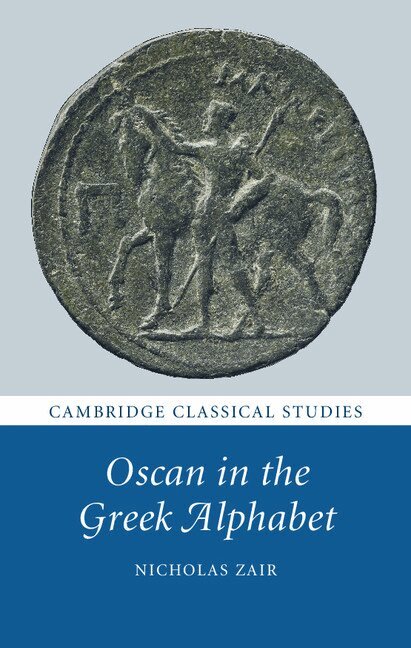
Oscan in the Greek Alphabet
Inbunden, 2016
1551 kr
Lägg i varukorg
Oscan was spoken in Southern Italy in the second half of the first millennium BC. Here, for the first time, all the evidence for the spelling of Oscan in the Greek alphabet is collected and examined. Understanding the orthography of these inscriptions has far-reaching implications for the …
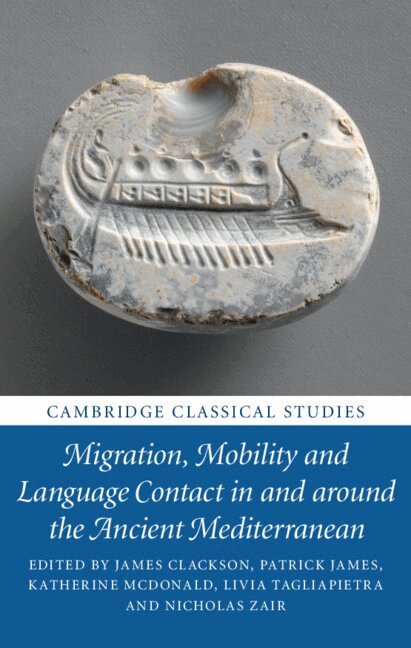
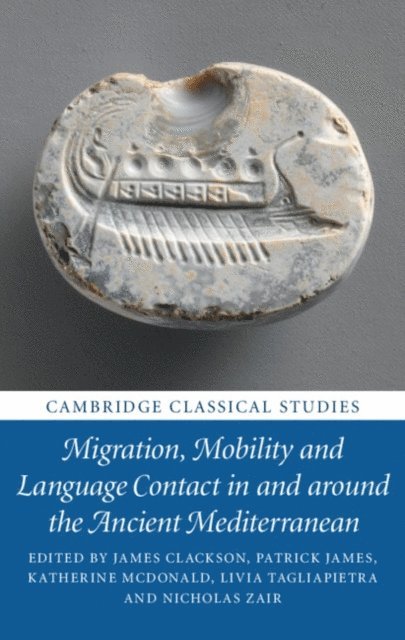
Migration, Mobility and Language Contact in and around the Ancient Mediterranean
Av James Clackson, Patrick James m. fl.
Inbunden, 2020
1928 kr
Lägg i varukorg
Migration, Mobility and Language Contact in and around the Ancient Mediterranean is the first volume to show the different ways in which surviving linguistic evidence can be used to track movements of people in the ancient world. Eleven chapters cover a number of case studies, which span the period …
Migration, Mobility and Language Contact in and around the Ancient Mediterranean
Av James Clackson, Patrick James m. fl.
Häftad, 2022
508 kr
Lägg i varukorg
Migration, Mobility and Language Contact in and around the Ancient Mediterranean is the first volume to show the different ways in which surviving linguistic evidence can be used to track movements of people in the ancient world. Eleven chapters cover a number of case studies, which span the period …
Migration, Mobility and Language Contact in and around the Ancient Mediterranean
Av Nicholas Zair, Livia Tagliapietra m. fl.
E-bok, 2020
504 kr
Lägg i varukorg
Migration, Mobility and Language Contact in and around the Ancient Mediterranean is the first volume to show the different ways in which surviving linguistic evidence can be used to track movements of people in the ancient world. Eleven chapters cover a number of case studies, which span the period …
Migration, Mobility and Language Contact in and around the Ancient Mediterranean
Av Nicholas Zair, Livia Tagliapietra m. fl.
E-bok, 2020
493 kr
Lägg i varukorg
Migration, Mobility and Language Contact in and around the Ancient Mediterranean is the first volume to show the different ways in which surviving linguistic evidence can be used to track movements of people in the ancient world. Eleven chapters cover a number of case studies, which span the period …
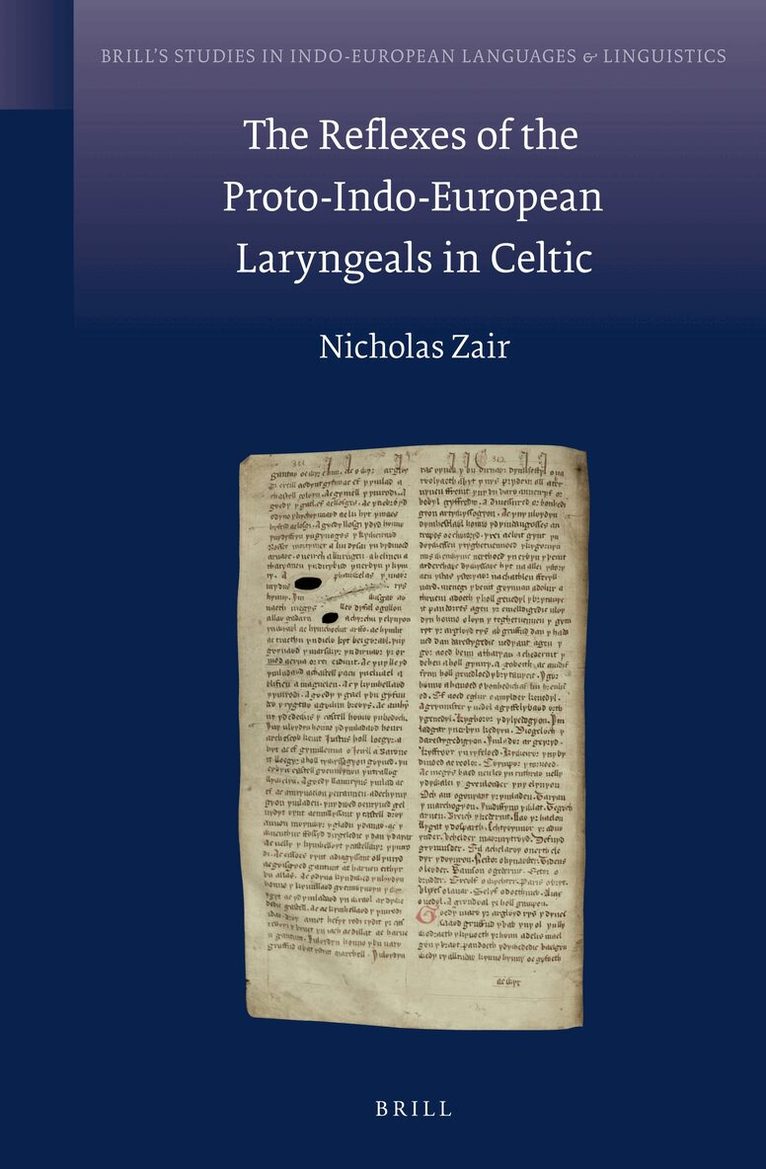
Reflexes of the Proto-Indo-European Laryngeals in Celtic
Inbunden, 2012
2928 kr
Lägg i varukorg
In The Reflexes of the Proto-Indo-European Laryngeals in Celtic, Nicholas Zair for the first time collects and assesses all the words from the Celtic languages which contained a laryngeal, and identifies the regular results of the laryngeals in each phonetic environment. This allows him to …