Nick Romanowski – författare
375 kr
Skickas inom 5-8 vardagar
575 kr
Läs direkt efter köp
558 kr
Läs direkt efter köp
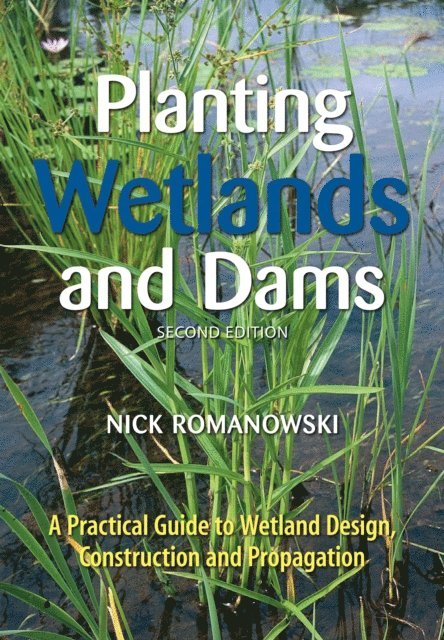
Wetland planting can bring back biodiversity, reduce the impact of drought and flood, improve water quality and conserve beauty in a mismanaged landscape. Planting Wetlands and Dams is a step-by-step, plain language guide to the creation of conditions in which wetland plants will thrive, from design and construction to collecting plants, seeds and propagation.
Completely revised and expanded, this new edition includes comprehensive information for around 200 genera of wetland plants from Tasmania to the tropics, complemented by more than 60 new colour photographs. It discusses the modification and improvement of existing dams, new lining materials available, and planning for plant and animal habitat needs. It provides updated information on legal requirements as well as significant exotic weeds, and examines the pros and cons of establishing new wetlands in dry climates.
429 kr
Läs direkt efter köp
429 kr
Läs direkt efter köp
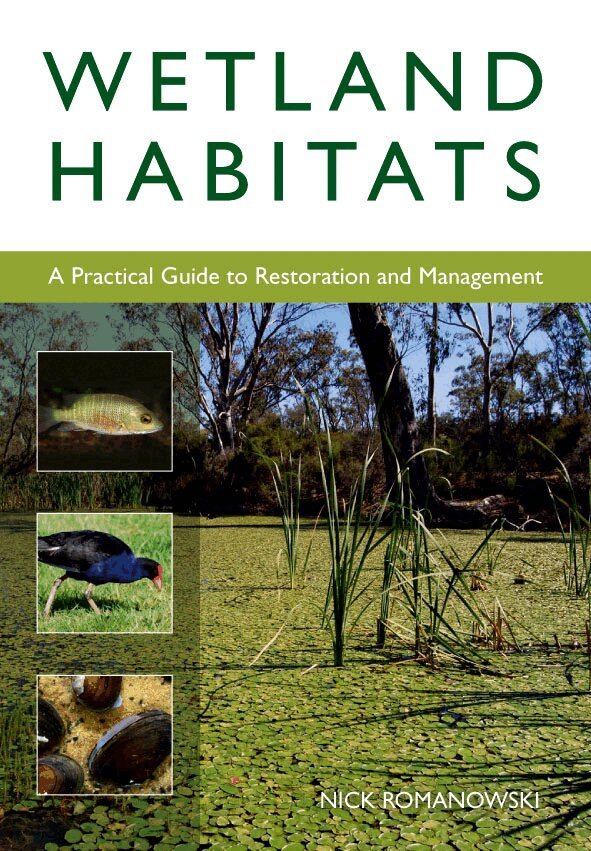
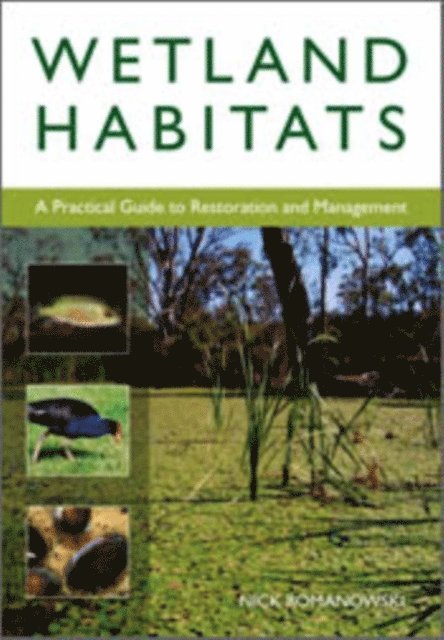
Wetland Habitats is a practical and easy to use manual for wetland restoration and conservation of diverse animal species. Covering all the recent work in this field, among other significant issues it discusses making the most of dams and created wetlands; reversing the effects of drainage, grazing, weirs, deteriorating water quality, and associated algal problems; captive breeding and reintroduction; and controlling weeds and vermin.
The book describes a range of potential problems encountered during restoration efforts and approaches to dealing with them, so that readers will be able to make informed decisions about wetlands on their own properties. It also explains how to set realistic targets for wetland restoration as well as longer-term goals for management, and includes colour photographs of diverse wetland habitats and the animals that rely on them.
The examples draw on a wide range of wetland animals including some which aren’t often found in wetlands on private properties, but the primary emphasis is on the ecology, interactions and management of species and other aspects of management that will be of most use to landholders with wetlands in need of rejuvenation.
308 kr
Skickas inom 5-8 vardagar
429 kr
Läs direkt efter köp
429 kr
Läs direkt efter köp
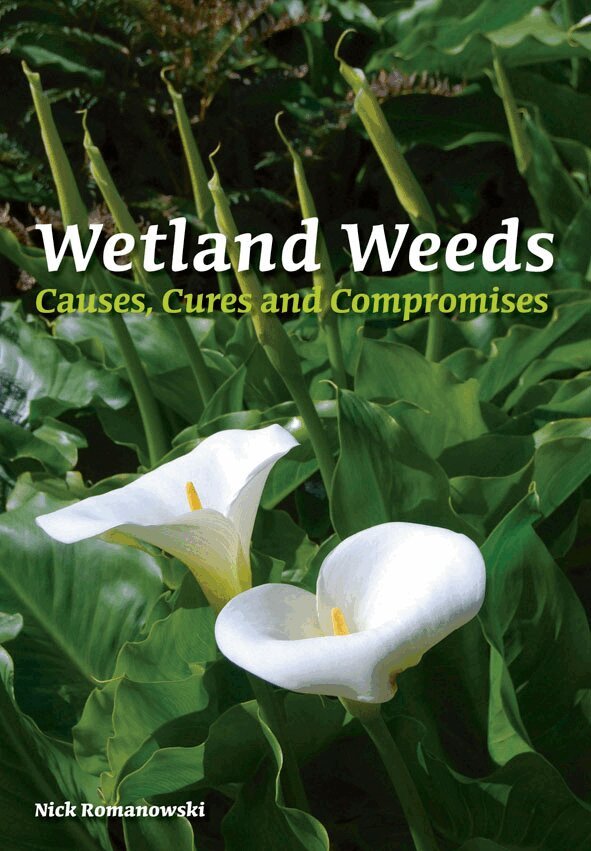
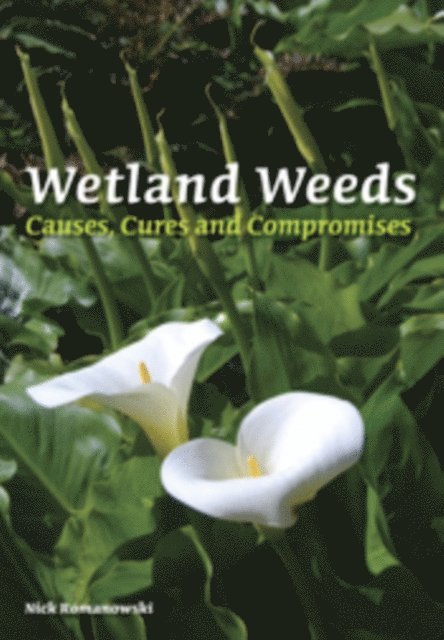
This comprehensive guide to wetland weeds covers both native and introduced species, ranging from minor or localised environmental problems to those that should not be tolerated in any situation. The author takes a pragmatic approach to weed control, recognising that some weeds may not be possible to eradicate, and emphasising the need to assess the extent and future potential of any infestation before taking action.
Weed control should be planned in the context of the overall management goals for any type of wetland, the types of habitat weeds provide or overrun, and whether they can be replaced successfully with more appropriate plants. A range of strategies for controlling wetland weeds are considered, from containment actions to prevent the development of a soil seed bank to physical removal, and biological approaches from biocontrol to shading, overplanting and use of turbidity. The widespread use of chemical controls is also discussed, with the warning that these are often only a short-term cure and can cause more harm to aquatic ecosystems than the weeds they are holding at bay.
More than 130 species of established weeds are included with information on their origins, nutrient responses, environmental effects, habitat values, prospects for containment or eradication, and even culinary uses. Other sections look at native plants as weeds, including a number of species of uncertain origins, and potential weeds still being legally sold through the aquarium and nursery trades.
456 kr
Skickas inom 5-8 vardagar
365 kr
Läs direkt efter köp
365 kr
Läs direkt efter köp
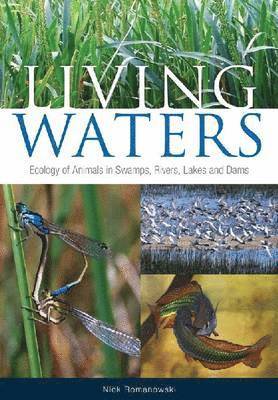
Wetlands are often seen as the ultimate symbol of beauty and tranquillity, their clear waters sheltering mysterious animals in a world where change is gentle and slow, from dragonflies skimming above their own reflections to the fishes glimpsed briefly below. Yet Australian wetlands are among the most varied and changeable habitats found anywhere, and the many creatures that live out their lives in and around water are superbly adapted to some of the most unpredictable ecosystems in the world.
This book follows the diverse common themes and patterns that link inland waters from Tasmania to the tropics. It shows how cycles of change, the ways that different wetland animals travel through and between wetlands, and the interactions of the animals themselves create an ever-changing ecological kaleidoscope. Drawing on what is known of the biology, ecology and even the genetics of many of the most abundant, widespread and successful groups of animals, the author shows similarities to wetlands in other parts of the world, as well as some of the more extreme environments and specialised animals that are unique to this continent.
Far more than a natural history, Living Waters explains the underlying forces that drive ecological change and movement in Australian wetlands, from the particular needs and habits of some specialised waterbirds to swarms of dragonflies and damselflies that may flourish for a few months before disappearing for years, and fishes found gasping in drying pools far from the nearest permanent water just hours after a desert deluge.
2014 Whitley Award Commendation for Aquatic Biology.
441 kr
Skickas inom 5-8 vardagar