Nick Sharman – författare
Visar alla böcker från författaren Nick Sharman. Handla med fri frakt och snabb leverans.
8 produkter
8 produkter
E-bok
PDF, Engelska, 2016712 kr
Läs direkt efter köp
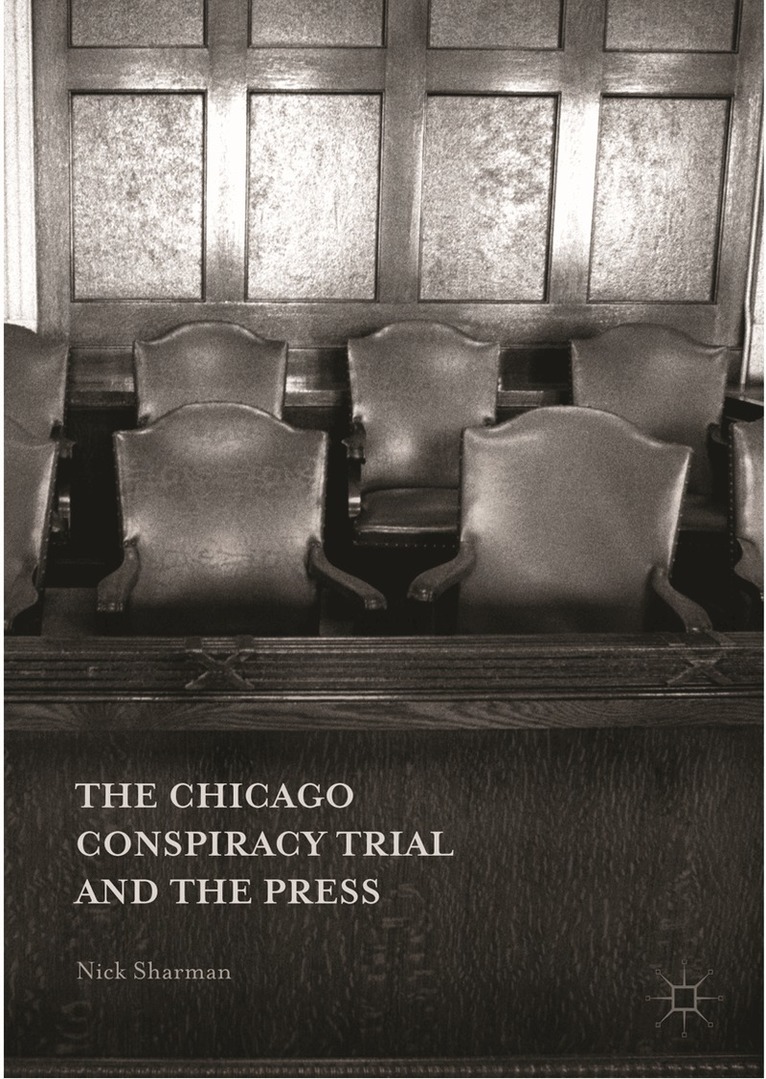
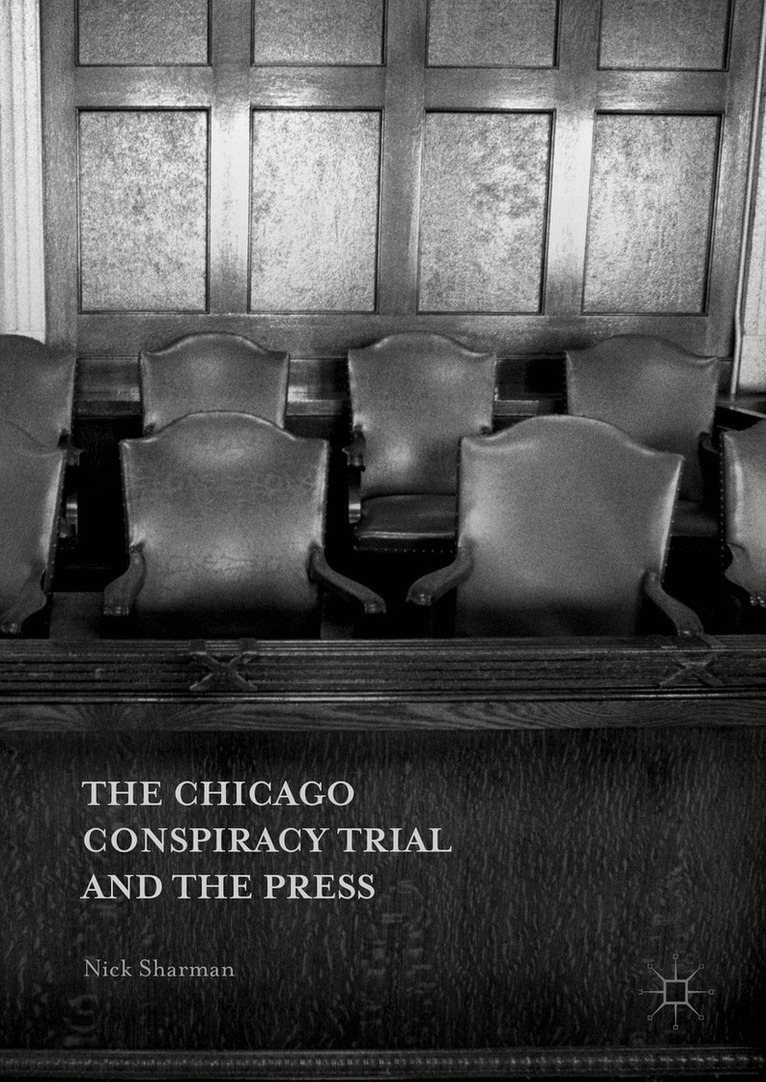
This book analyzes the newspaper coverage of one of America’s most famous and dramatic trials–the trial of the “Chicago 8.” Covering a five month period from September 1969 to February 1970 the book considers the way eight radical activists including Black Panther leader Bobby Seale, antiwar activists Tom Hayden, David Dellinger, and Rennie Davis, and leading Yippies, Abbie Hoffman and Jerry Rubin are represented in the press. How did the New York Times represent Judge Hoffman’s decision to chain and gag Bobby Seale in the courtroom for demanding his right to represent himself? To what extent did the press adequately describe the injustice visited on the defendants in the trial by the presiding Judge, Julius J Hoffman? The author aims to answer these questions and demonstrate the press’s reluctance to criticize Judge Hoffman in the case until the evidence of his misconduct of the trial became overwhelming.
Inbunden, Engelska, 2016
546 kr
Skickas inom 10-15 vardagar
This book analyzes the newspaper coverage of one of America’s most famous and dramatic trials–the trial of the “Chicago 8.” Covering a five month period from September 1969 to February 1970 the book considers the way eight radical activists including Black Panther leader Bobby Seale, antiwar activists Tom Hayden, David Dellinger, and Rennie Davis, and leading Yippies, Abbie Hoffman and Jerry Rubin are represented in the press. How did the New York Times represent Judge Hoffman’s decision to chain and gag Bobby Seale in the courtroom for demanding his right to represent himself? To what extent did the press adequately describe the injustice visited on the defendants in the trial by the presiding Judge, Julius J Hoffman? The author aims to answer these questions and demonstrate the press’s reluctance to criticize Judge Hoffman in the case until the evidence of his misconduct of the trial became overwhelming.
Häftad, Engelska, 2016
1 561 kr
Kommande
This book analyzes the newspaper coverage of one of America’s most famous and dramatic trials–the trial of the “Chicago 8.” Covering a five month period from September 1969 to February 1970 the book considers the way eight radical activists including Black Panther leader Bobby Seale, antiwar activists Tom Hayden, David Dellinger, and Rennie Davis, and leading Yippies, Abbie Hoffman and Jerry Rubin are represented in the press. How did the New York Times represent Judge Hoffman’s decision to chain and gag Bobby Seale in the courtroom for demanding his right to represent himself? To what extent did the press adequately describe the injustice visited on the defendants in the trial by the presiding Judge, Julius J Hoffman? The author aims to answer these questions and demonstrate the press’s reluctance to criticize Judge Hoffman in the case until the evidence of his misconduct of the trial became overwhelming.
E-bok
Engelska46 kr
Läs direkt efter köp
Del 4 - Macabre Ink Resurrected Horrors
Cats
Häftad, Engelska, 2019
136 kr
Skickas inom 5-8 vardagar
Inbunden, Engelska, 2021
1 449 kr
Skickas inom 10-15 vardagar
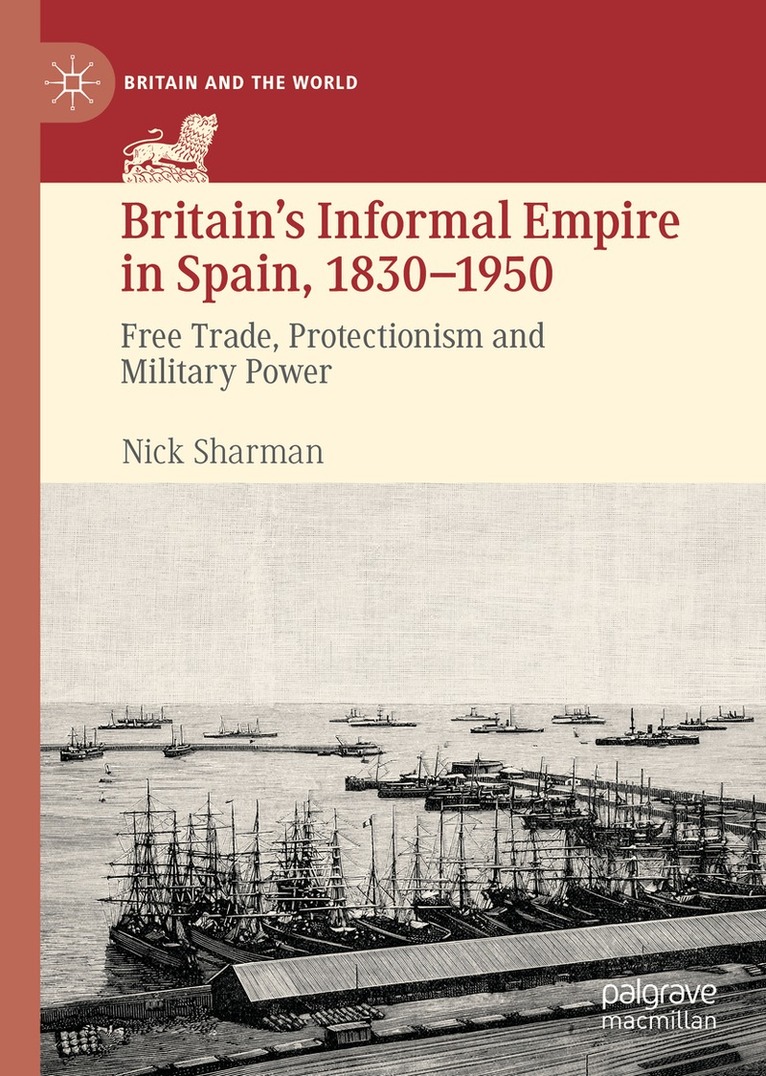
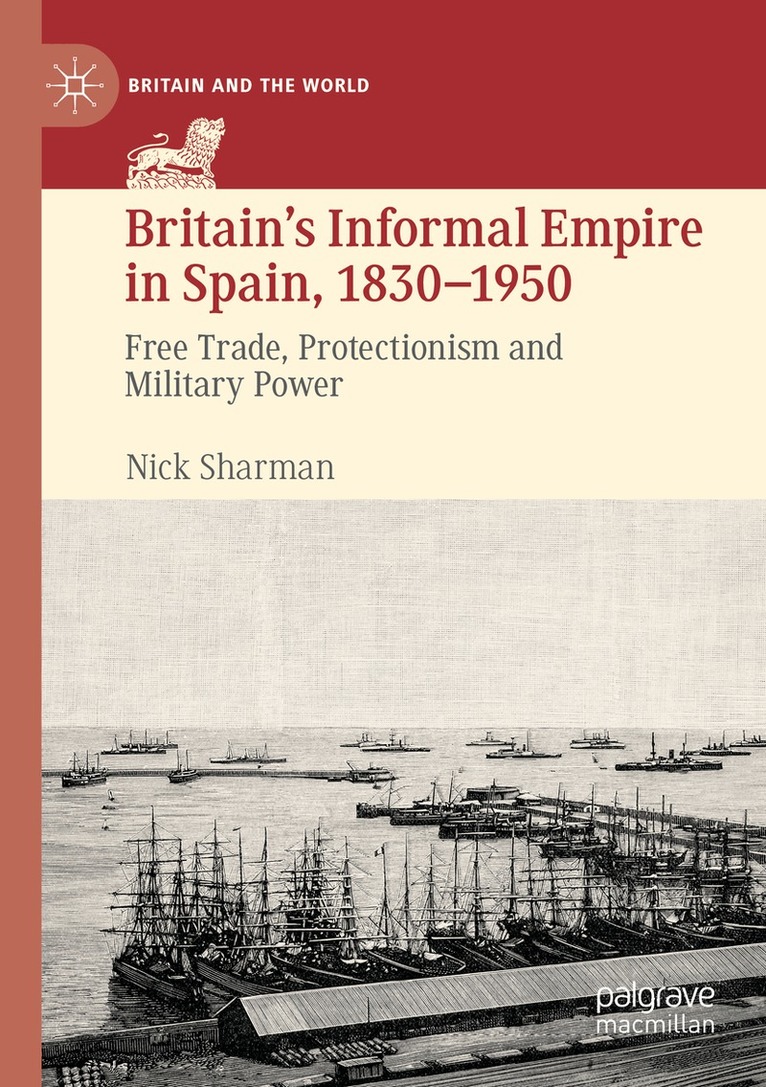
Based on five years of archival research, this book offers a radical reinterpretation of Britain and Spain’s relationship during the growth, apogee and decline of the British Empire. It shows that from the early nineteenth century Britain turned Spain into an ‘informal’ colony, using its economic and military dominance to achieve its strategic and economic ends. Britain’s free trade campaign, which aimed to tear down the legal barriers to its explosive trade and investment expansion, undermined Spain’s attempts to achieve industrial take-off, demonstrating that the relationship between the two countries was imperial in nature, and not simply one of unequal national power. Exploring five key moments of crisis in their relations, from the First Carlist War in the 1830s to the Second World War, the author analyses Britain’s use of military force in achieving its goals, and the consequences that this had for economic and political policy-making in Spain. Ultimately, the Anglo-Spanish relationship was an early example of the interaction between industrial power and colonies, formal and informal, that characterised the post-World War Two period. An insightful read for anyone researching the British Empire and its colonies, this book offers an innovative perspective by closely examining the volatile relationship between two European powers.
E-bok
Engelska, 20211 785 kr
Läs direkt efter köp
Based on five years of archival research, this book offers a radical reinterpretation of Britain and Spain’s relationship during the growth, apogee and decline of the British Empire. It shows that from the early nineteenth century Britain turned Spain into an ‘informal’ colony, using its economic and military dominance to achieve its strategic and economic ends. Britain’s free trade campaign, which aimed to tear down the legal barriers to its explosive trade and investment expansion, undermined Spain’s attempts to achieve industrial take-off, demonstrating that the relationship between the two countries was imperial in nature, and not simply one of unequal national power. Exploring five key moments of crisis in their relations, from the First Carlist War in the 1830s to the Second World War, the author analyses Britain’s use of military force in achieving its goals, and the consequences that this had for economic and political policy-making in Spain. Ultimately, the Anglo-Spanish relationship was an early example of the interaction between industrial power and colonies, formal and informal, that characterised the post-World War Two period. An insightful read for anyone researching the British Empire and its colonies, this book offers an innovative perspective by closely examining the volatile relationship between two European powers.
Häftad, Engelska, 2022
1 449 kr
Skickas inom 10-15 vardagar
Based on five years of archival research, this book offers a radical reinterpretation of Britain and Spain’s relationship during the growth, apogee and decline of the British Empire. It shows that from the early nineteenth century Britain turned Spain into an ‘informal’ colony, using its economic and military dominance to achieve its strategic and economic ends. Britain’s free trade campaign, which aimed to tear down the legal barriers to its explosive trade and investment expansion, undermined Spain’s attempts to achieve industrial take-off, demonstrating that the relationship between the two countries was imperial in nature, and not simply one of unequal national power. Exploring five key moments of crisis in their relations, from the First Carlist War in the 1830s to the Second World War, the author analyses Britain’s use of military force in achieving its goals, and the consequences that this had for economic and political policy-making in Spain. Ultimately, the Anglo-Spanish relationship was an early example of the interaction between industrial power and colonies, formal and informal, that characterised the post-World War Two period. An insightful read for anyone researching the British Empire and its colonies, this book offers an innovative perspective by closely examining the volatile relationship between two European powers.