
Nicola Mann – författare
Visar alla böcker från författaren Nicola Mann. Handla med fri frakt och snabb leverans.
3 produkter
3 produkter
Inbunden, Engelska, 2017
615 kr
Skickas inom 10-15 vardagar
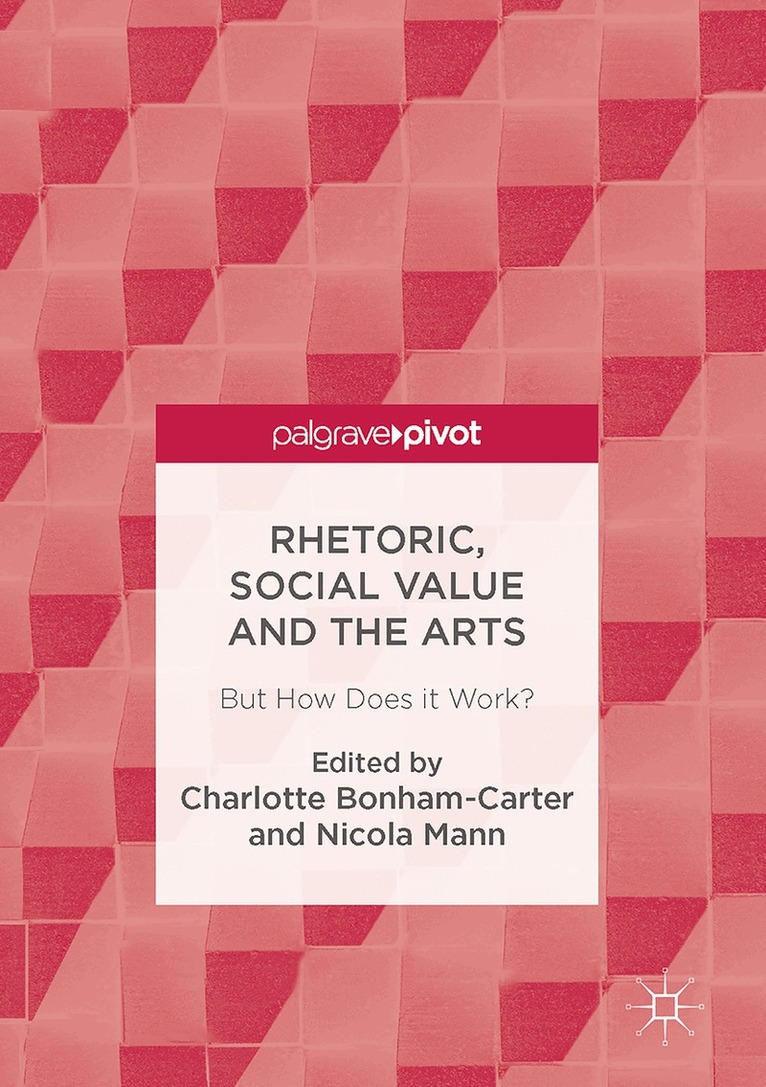
The book reveals how the ‘social value of art’ may have one meaning for a policy maker, another for a museum and still yet another for an artist – and it is therefore in the interaction between these agents that we learn the most about the importance of rhetoric and interpretation. As a trajectory in art history, socially engaged art has a long and established history. However, in recent years—or since ‘the social turn’ that occurred in the 1990s—the rhetoric surrounding the social value of art has been assimilated by cultural policy makers and museums. Interdisciplinary in its approach, and bringing together contributions from artists, curators and academics, the volume explores rhetoric, social value and the arts within different social, political and cultural contexts.
E-bok
Engelska, 2017815 kr
Läs direkt efter köp
The book reveals how the ‘social value of art’ may have one meaning for a policy maker, another for a museum and still yet another for an artist – and it is therefore in the interaction between these agents that we learn the most about the importance of rhetoric and interpretation. As a trajectory in art history, socially engaged art has a long and established history. However, in recent years—or since ‘the social turn’ that occurred in the 1990s—the rhetoric surrounding the social value of art has been assimilated by cultural policy makers and museums. Interdisciplinary in its approach, and bringing together contributions from artists, curators and academics, the volume explores rhetoric, social value and the arts within different social, political and cultural contexts.
Häftad, Engelska, 2018
615 kr
Skickas inom 10-15 vardagar
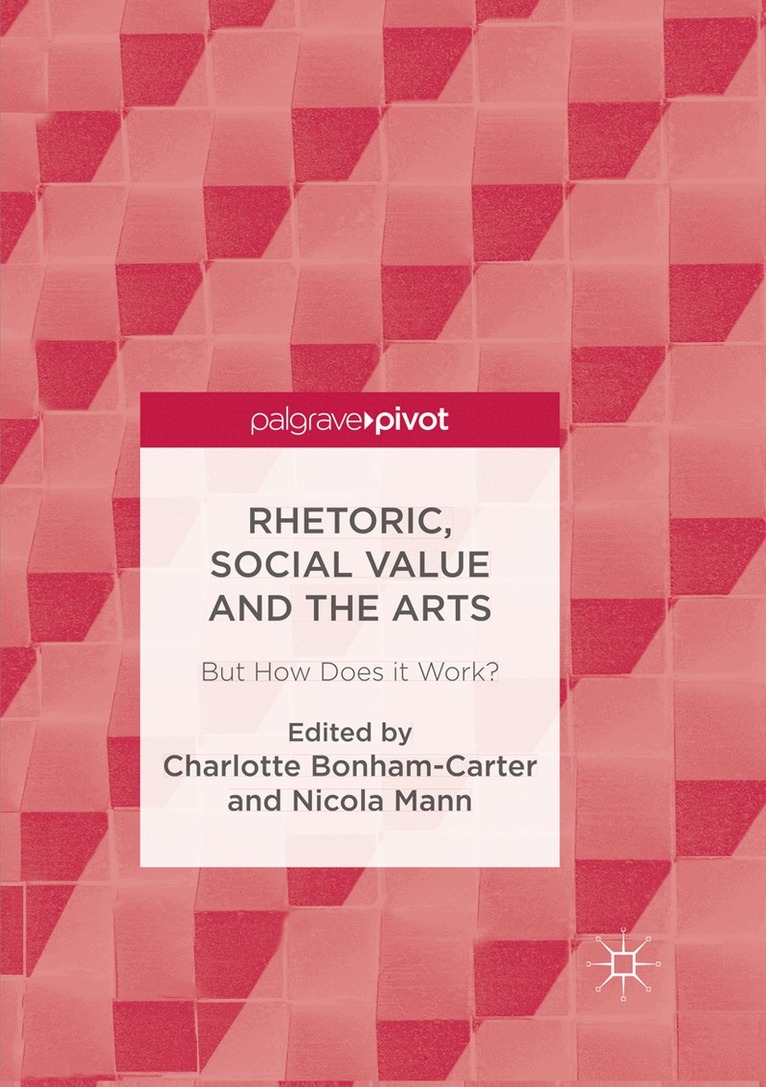
The book reveals how the ‘social value of art’ may have one meaning for a policy maker, another for a museum and still yet another for an artist – and it is therefore in the interaction between these agents that we learn the most about the importance of rhetoric and interpretation. As a trajectory in art history, socially engaged art has a long and established history. However, in recent years—or since ‘the social turn’ that occurred in the 1990s—the rhetoric surrounding the social value of art has been assimilated by cultural policy makers and museums. Interdisciplinary in its approach, and bringing together contributions from artists, curators and academics, the volume explores rhetoric, social value and the arts within different social, political and cultural contexts.