Nicola Parsons – författare
Visar alla böcker från författaren Nicola Parsons. Handla med fri frakt och snabb leverans.
4 produkter
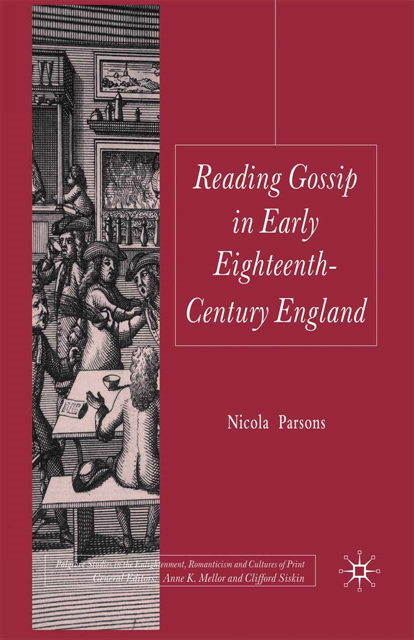
Reading Gossip in Early Eighteenth-Century England
E-bok, 2015
896 kr
Lägg i varukorg
This book analyzes the relation between print cultures and eighteenth-century literary and political practices and, identifying Queen Anne''s England as a crucial moment in the public life of gossip, offers readings of key texts that demonstrate how gossip''s interpretative strategies shaped …
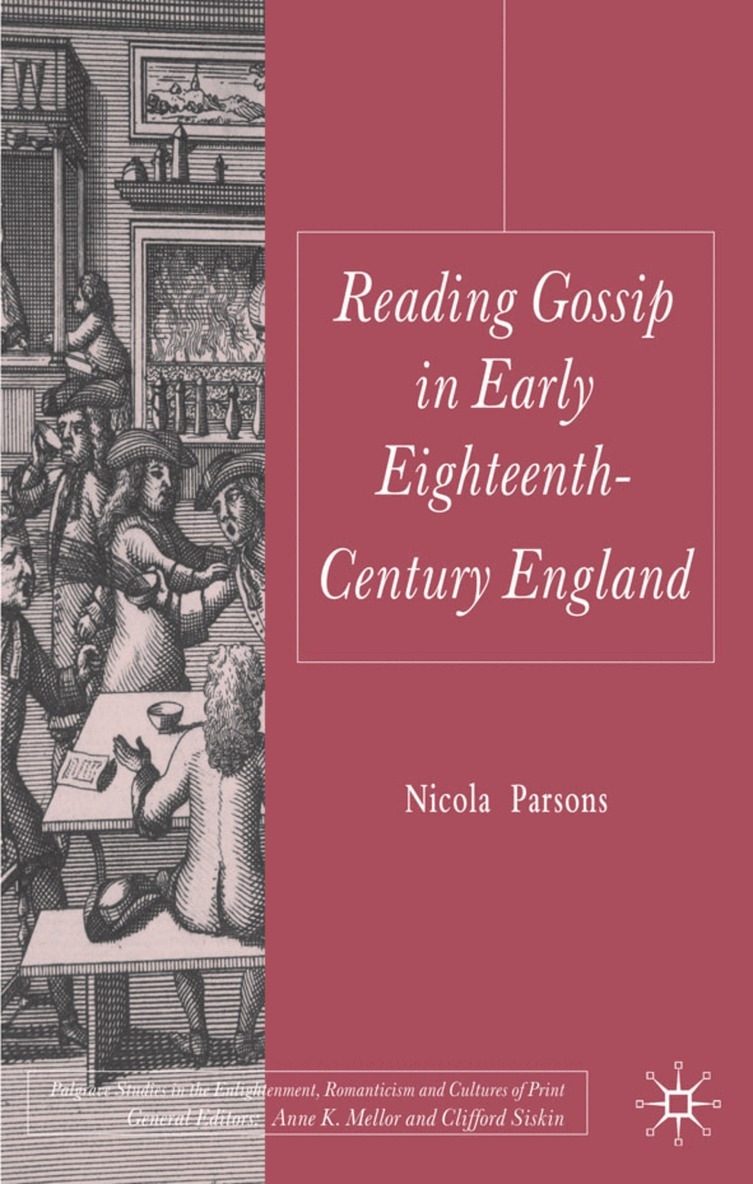
Reading Gossip in Early Eighteenth-Century England
Inbunden, 2009
634 kr
Lägg i varukorg
This book analyzes the relation between print cultures and eighteenth-century literary and political practices and, identifying Queen Anne's England as a crucial moment in the public life of gossip, offers readings of key texts that demonstrate how gossip's interpretative strategies shaped readers' …
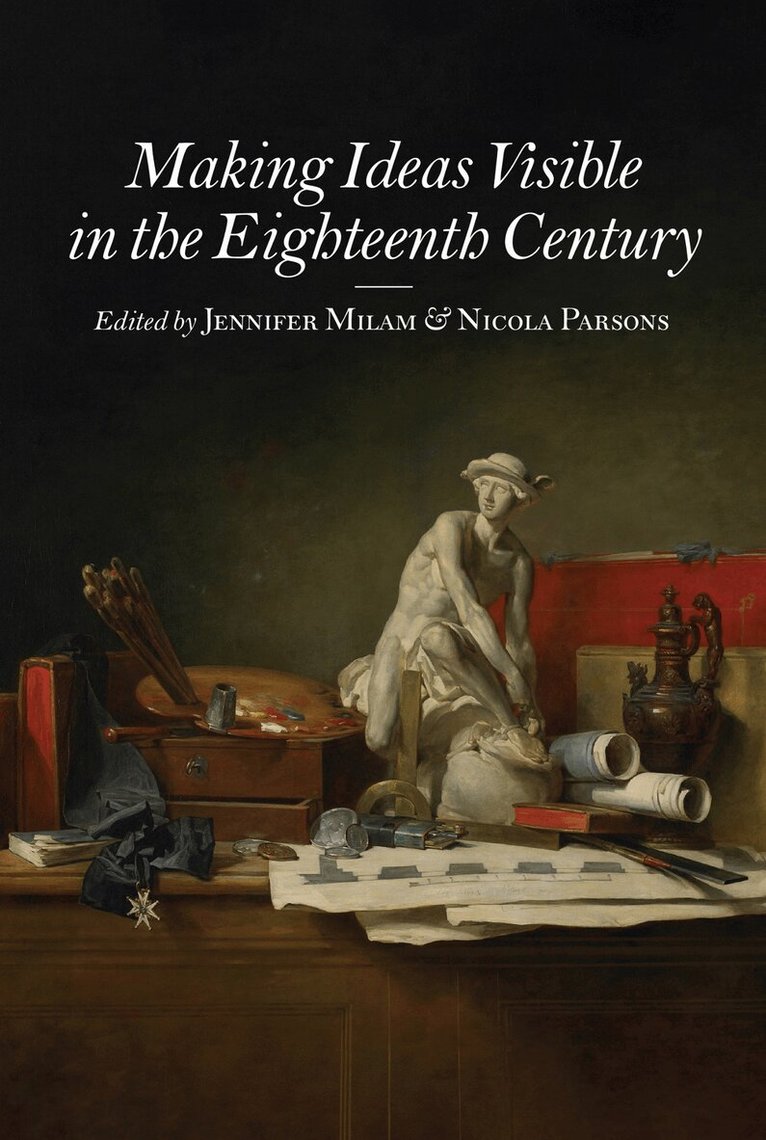
Making Ideas Visible in the Eighteenth Century
Av Jennifer Milam, Nicola Parsons
Inbunden, 2022
1731 kr
Lägg i varukorg
This volume considers how ideas were made visible through the making of art and visual experience occasioned by reception during the long eighteenth century. The event that gave rise to the collection was the 15th David Nichol Smith Seminar in Eighteenth-Century Studies, which launched a new …
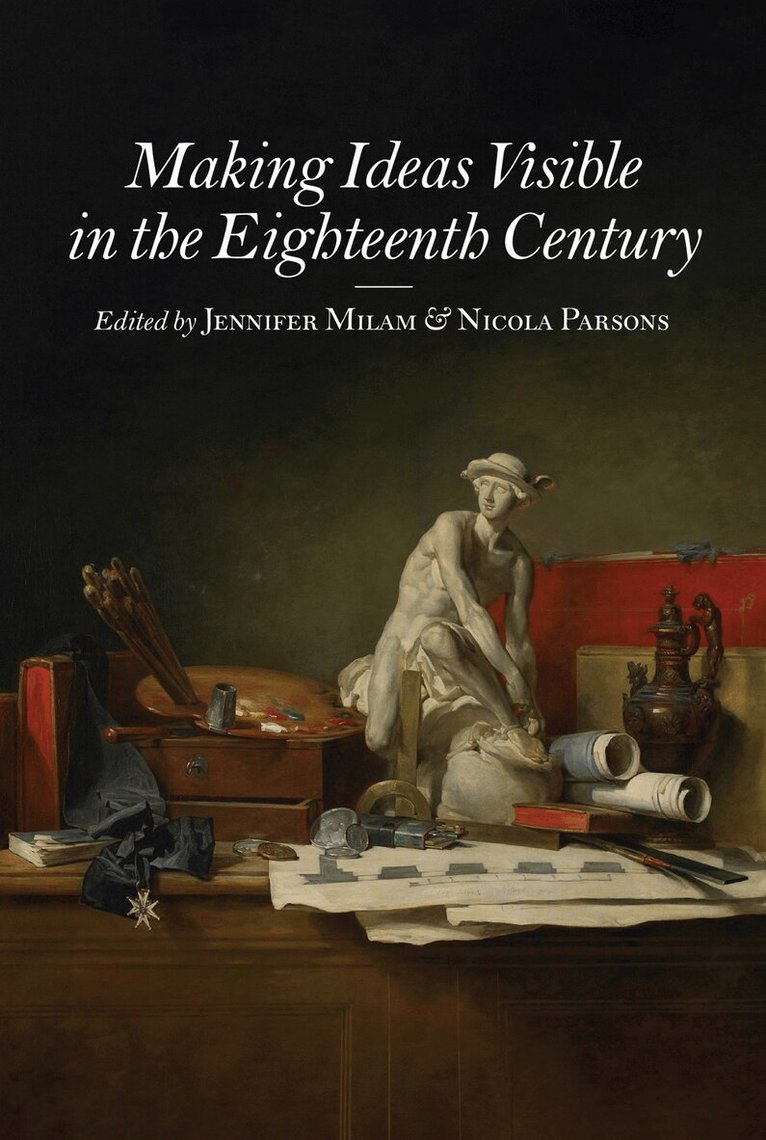
Making Ideas Visible in the Eighteenth Century
Av Jennifer Milam, Nicola Parsons
Häftad, 2022
467 kr
Lägg i varukorg
This volume considers how ideas were made visible through the making of art and visual experience occasioned by reception during the long eighteenth century. The event that gave rise to the collection was the 15th David Nichol Smith Seminar in Eighteenth-Century Studies, which launched a new …