Nicola Pirrone - Böcker
Visar alla böcker från författaren Nicola Pirrone. Handla med fri frakt och snabb leverans.
4 produkter
4 produkter
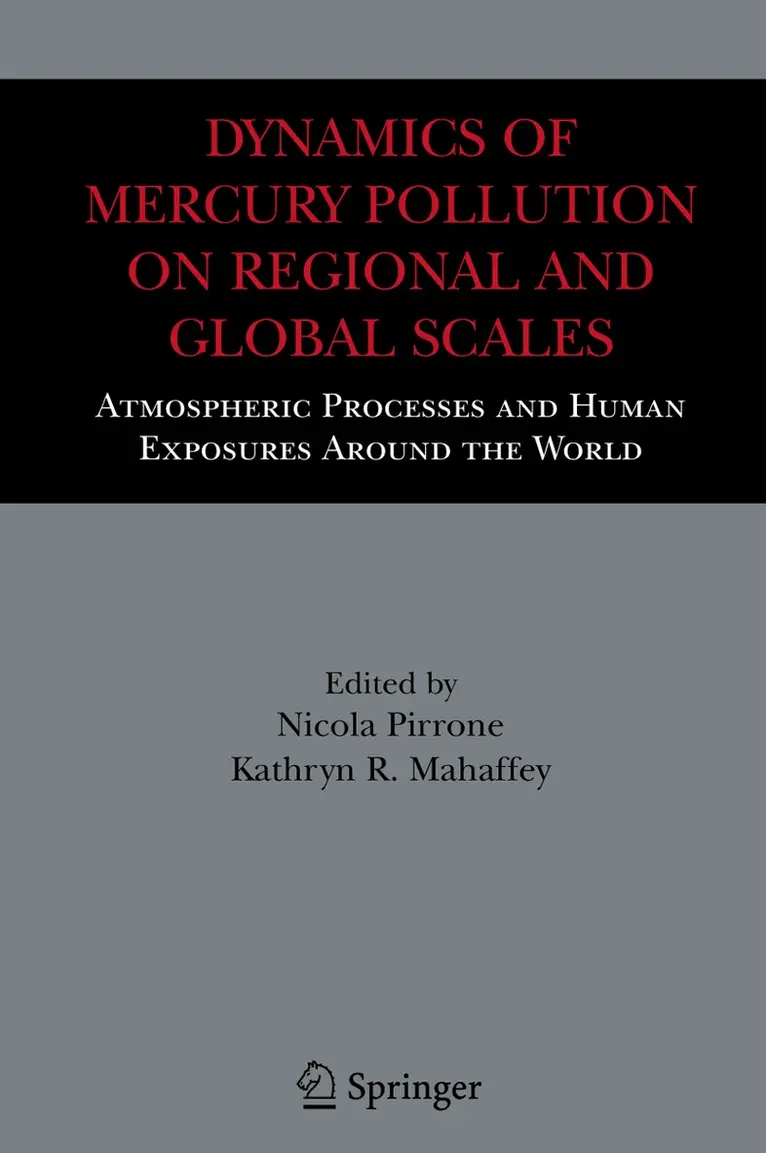
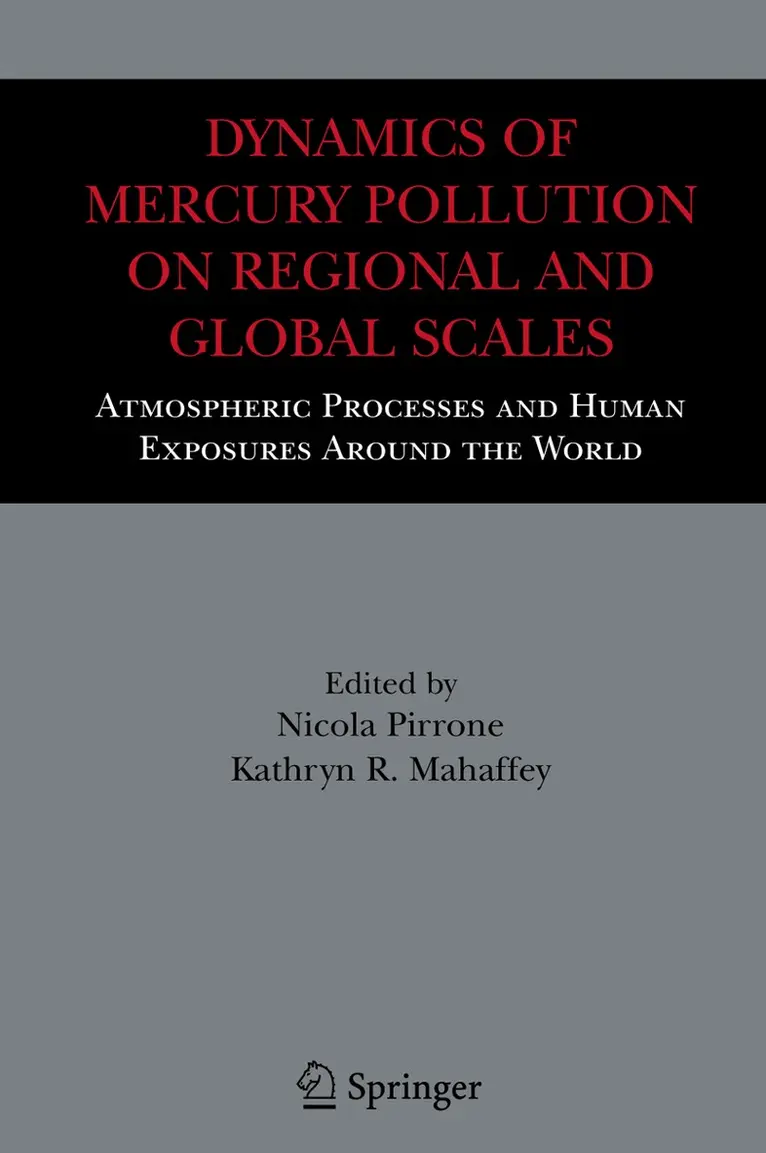
Dynamics of Mercury Pollution on Regional and Global Scales
Atmospheric Processes and Human Exposures Around the World
Inbunden, Engelska, 2005
1 578 kr
Skickas inom 10-15 vardagar
This book brings together authors with expertise in a wide range of fields to provide an up to the minute overview of the most important problems relating to mercury in the environment. The book reflects growing concern over the likelihood of harmful effects to human health and sensitive ecosystems posed by mercury in the light of increasing fossil fuel combustion, mercury use in a range of manufactured goods, and the lack of emission control policies. Concern has been expressed at local, national, and international levels; in the last three years both the European Commission and UNEP have published reports on mercury in the environment. Growing concern has led to an increased effort to understand the fate of mercury in the environment, including primary production and trade in mercury, emissions from manufacturing and power generation, natural emissions and re-emission, atmospheric transport and transformation, deposition patterns, uptake by biota, and eventual health impacts on living organisms. The increasing specialisation, and amount of research in the numerous scientific fields associated with the study of the fate of mercury in the environment, make the publication of this book both necessary and timely. For experts, and non-experts, who require both the broader picture, as well as an awareness of the latest progress in the fields relevant to mercury research, this book provides the most comprehensive and up to date overview available. The book has five sections.
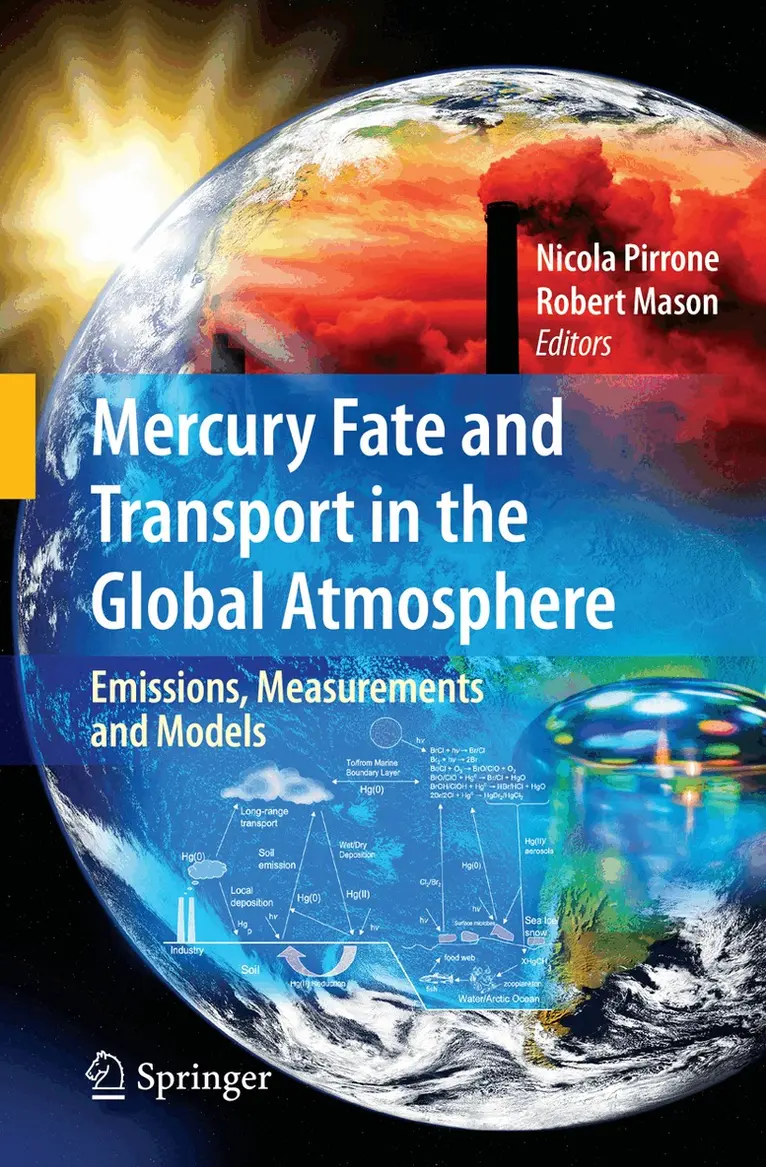
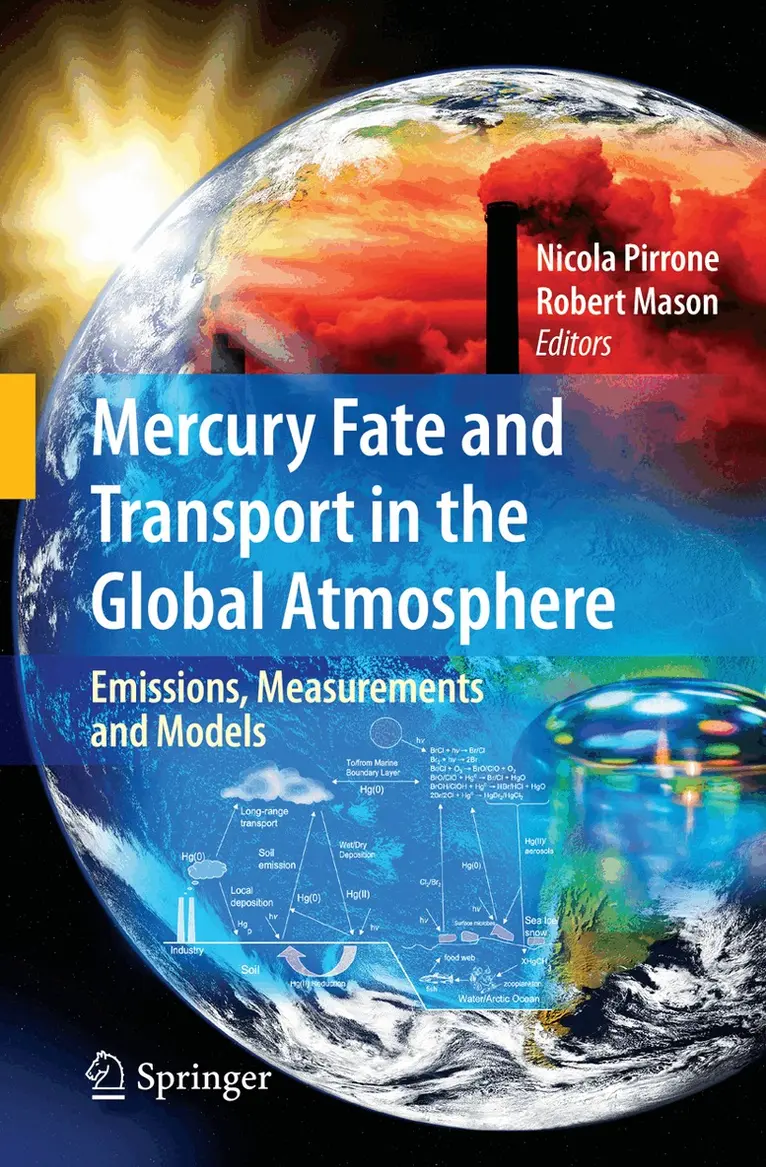
Mercury Fate and Transport in the Global Atmosphere
Emissions, Measurements and Models
Inbunden, Engelska, 2009
1 578 kr
Skickas inom 10-15 vardagar
Mercury, primarily because of its existence and bioaccumulation as methylmercury in aquatic organisms, is a concern for the health of higher trophic level organisms, or to their consumers. This is the major factor driving current research in mercury globally and in environmental regulation, and is the driver for the current UNEP Global Partnership for Mercury Transport and Fate Research (UNEP F&T) initiative. The overall focus of the UNEP F&T report is to assess the relative importance of different processes/mechanisms affecting the transfer of mercury (Hg) from emission sources to aquatic and terrestrial receptors and provide possible source-receptor relationships. This transfer occurs through atmospheric transport, chemical transformations and subsequent deposition, and involves the intermittent recycling between reservoirs that occurs prior to ultimate removal of Hg from the atmosphere. Understanding the sources, the global Hg transport and fate, and the impact of human activity on the biosphere, requires improved knowledge of Hg movement and transformation in the atmosphere. An improved understanding of Hg emission sources, fate and transport is important if there is to be a focused and concerted effort to set priorities and goals for Hg emission management and reduction at the national, regional and global levels; and to develop and implement such policies and strategies. To achieve this, a series of coordinated scientific endeavors focused on the estimation of sources, measurement and validation of concentrations and processes, and modeling, coupled with interpretation of the results within a policy framework, is likely to be required.
Dynamics of Mercury Pollution on Regional and Global Scales
Atmospheric Processes and Human Exposures Around the World
Häftad, Engelska, 2010
1 578 kr
Skickas inom 10-15 vardagar
This book brings together authors with expertise in a wide range of fields to provide an up to the minute overview of the most important problems relating to mercury in the environment. The book reflects growing concern over the likelihood of harmful effects to human health and sensitive ecosystems posed by mercury in the light of increasing fossil fuel combustion, mercury use in a range of manufactured goods, and the lack of emission control policies. Concern has been expressed at local, national, and international levels; in the last three years both the European Commission and UNEP have published reports on mercury in the environment. Growing concern has led to an increased effort to understand the fate of mercury in the environment, including primary production and trade in mercury, emissions from manufacturing and power generation, natural emissions and re-emission, atmospheric transport and transformation, deposition patterns, uptake by biota, and eventual health impacts on living organisms. The increasing specialisation, and amount of research in the numerous scientific fields associated with the study of the fate of mercury in the environment, make the publication of this book both necessary and timely. For experts, and non-experts, who require both the broader picture, as well as an awareness of the latest progress in the fields relevant to mercury research, this book provides the most comprehensive and up to date overview available. The book has five sections.
Mercury Fate and Transport in the Global Atmosphere
Emissions, Measurements and Models
Häftad, Engelska, 2010
1 452 kr
Skickas inom 10-15 vardagar
Mercury, primarily because of its existence and bioaccumulation as methylmercury in aquatic organisms, is a concern for the health of higher trophic level organisms, or to their consumers. This is the major factor driving current research in mercury globally and in environmental regulation, and is the driver for the current UNEP Global Partnership for Mercury Transport and Fate Research (UNEP F&T) initiative. The overall focus of the UNEP F&T report is to assess the relative importance of different processes/mechanisms affecting the transfer of mercury (Hg) from emission sources to aquatic and terrestrial receptors and provide possible source-receptor relationships. This transfer occurs through atmospheric transport, chemical transformations and subsequent deposition, and involves the intermittent recycling between reservoirs that occurs prior to ultimate removal of Hg from the atmosphere. Understanding the sources, the global Hg transport and fate, and the impact of human activity on the biosphere, requires improved knowledge of Hg movement and transformation in the atmosphere. An improved understanding of Hg emission sources, fate and transport is important if there is to be a focused and concerted effort to set priorities and goals for Hg emission management and reduction at the national, regional and global levels; and to develop and implement such policies and strategies. To achieve this, a series of coordinated scientific endeavors focused on the estimation of sources, measurement and validation of concentrations and processes, and modeling, coupled with interpretation of the results within a policy framework, is likely to be required.