Nicolas Pons-Vignon – författare
Visar alla böcker från författaren Nicolas Pons-Vignon. Handla med fri frakt och snabb leverans.
5 produkter
5 produkter
Inbunden, Engelska, 2015
1 143 kr
Skickas inom 11-20 vardagar
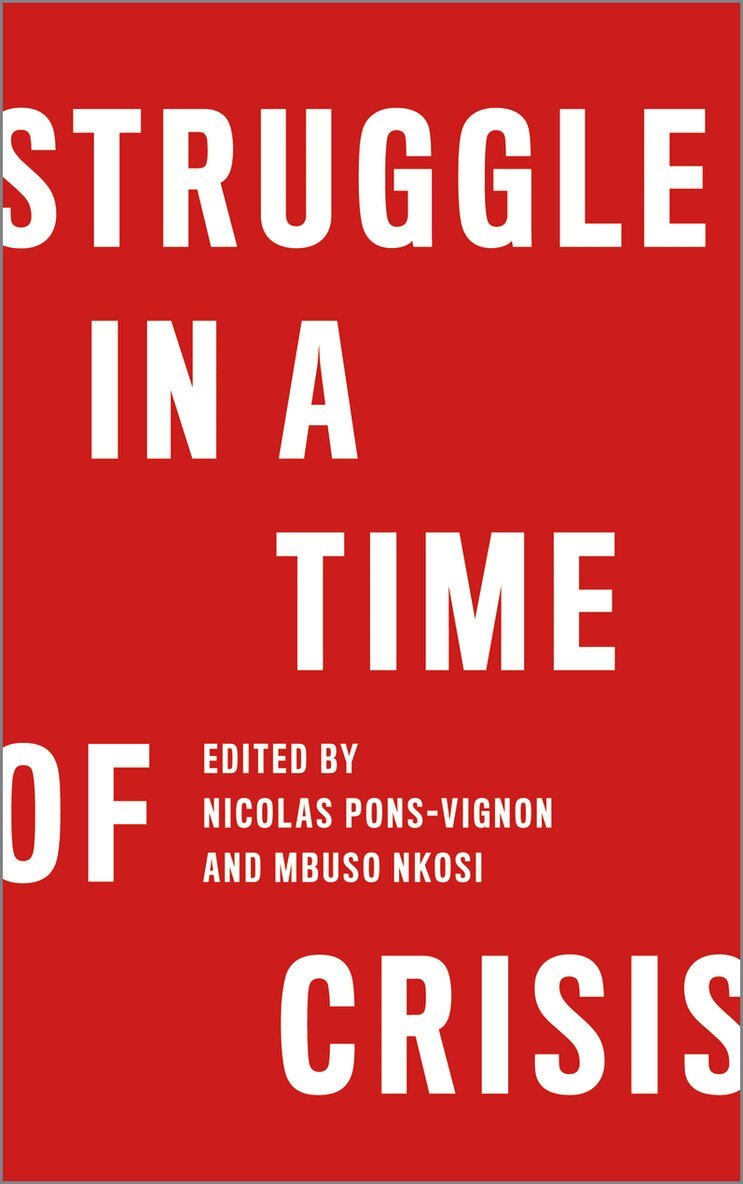
This is a collection of essays by an array of contributors from the Global Labour Column, which highlights and examines class struggle as the core of resistance against capitalism today. It provides insights into the dynamics of neoliberalism and its persistence and stimulates debates about the continued impact of the economic crisis, focusing on labour as both a victim and a crucial social force which can push for an alternative. Examples of the subjects it covers include the Indonesian Sportswear Industry, Chinese construction companies in Africa, mining in South Africa, job quality in Europe, globalised 'T-shirt economics' and the marketisation and securitisation of UK international aid, amongst many others. The Global Labour Column, managed by the Corporate Strategy and Industrial Development research programme at the University of the Witwatersrand, South Africa, is part of the Global Labour University.
Häftad, Engelska, 2015
438 kr
Skickas inom 11-20 vardagar
This is a collection of essays by an array of contributors from the Global Labour Column, which highlights and examines class struggle as the core of resistance against capitalism today. It provides insights into the dynamics of neoliberalism and its persistence and stimulates debates about the continued impact of the economic crisis, focusing on labour as both a victim and a crucial social force which can push for an alternative. Examples of the subjects it covers include the Indonesian Sportswear Industry, Chinese construction companies in Africa, mining in South Africa, job quality in Europe, globalised 'T-shirt economics' and the marketisation and securitisation of UK international aid, amongst many others. The Global Labour Column, managed by the Corporate Strategy and Industrial Development research programme at the University of the Witwatersrand, South Africa, is part of the Global Labour University.
E-bok
Engelska, 2015401 kr
Läs direkt efter köp
This is a collection of essays by an array of contributors from the Global Labour Column, which highlights and examines class struggle as the core of resistance against capitalism today. It provides insights into the dynamics of neoliberalism and its persistence and stimulates debates about the continued impact of the economic crisis, focusing on labour as both a victim and a crucial social force which can push for an alternative. Examples of the subjects it covers include the Indonesian Sportswear Industry, Chinese construction companies in Africa, mining in South Africa, job quality in Europe, globalised ''T-shirt economics'' and the marketisation and securitisation of UK international aid, amongst many others. The Global Labour Column, managed by the Corporate Strategy and Industrial Development research programme at the University of the Witwatersrand, South Africa, is part of the Global Labour University.
E-bok
PDF, Engelska, 2014434 kr
Läs direkt efter köp
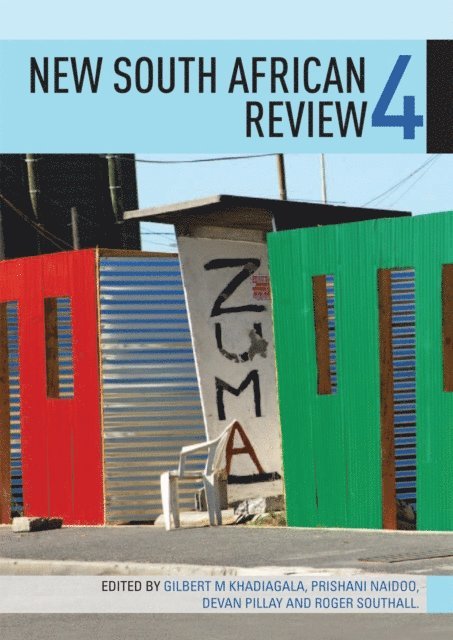
The death of Nelson Mandela on 5 December 2013 was in a sense a wake-up call for South Africans, and a time to reflect on what has been achieved since ‘those magnificent days in late April 1994’ (as the editors of this volume put it) ‘when South Africans of all colours voted for the first time in a democratic election’. In a time of recall and reflection it is important to take account, not only of the dramatic events that grip the headlines, but also of other signposts that indicate the shape and characteristics of a society. The New South African Review looks, every year, at some of these signposts, and the essays in this fourth volume of the series again examine and analyse a broad spectrum of issues affecting the country. They tackle topics as diverse as the state of organised labour; food retailing; electricity generation; access to information; civil courage; the school system; and – looking outside the country to its place in the world – South Africa’s relationships with north-east Asia, with Israel and with its neighbours in the southern African region. Taken together, these essays give a multidimensional perspective on South Africa’s democracy as it turns twenty, and will be of interest to general readers while being particularly useful to students and researchers.
E-bok
Engelska, 2014445 kr
Läs direkt efter köp
The death of Nelson Mandela on 5 December 2013 was in a sense a wake-up call for South Africans, and a time to reflect on what has been achieved since ‘those magnificent days in late April 1994’ (as the editors of this volume put it) ‘when South Africans of all colours voted for the first time in a democratic election’. In a time of recall and reflection it is important to take account, not only of the dramatic events that grip the headlines, but also of other signposts that indicate the shape and characteristics of a society. The New South African Review looks, every year, at some of these signposts, and the essays in this fourth volume of the series again examine and analyse a broad spectrum of issues affecting the country. They tackle topics as diverse as the state of organised labour; food retailing; electricity generation; access to information; civil courage; the school system; and – looking outside the country to its place in the world – South Africa’s relationships with north-east Asia, with Israel and with its neighbours in the southern African region. Taken together, these essays give a multidimensional perspective on South Africa’s democracy as it turns twenty, and will be of interest to general readers while being particularly useful to students and researchers.