Nidal Nabil Jurdi – författare
Visar alla böcker från författaren . Handla med fri frakt och snabb leverans.
7 produkter
7 produkter
E-bok
PDF, Engelska, 20141 687 kr
Läs direkt efter köp
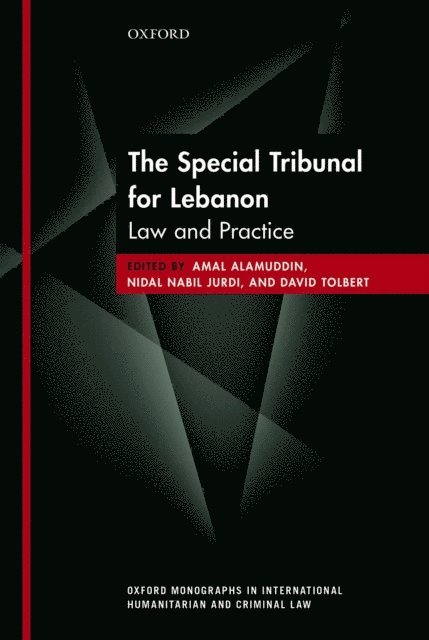
This book provides a full analytical overview of the establishment and functioning of the Special Tribunal for Lebanon, the newest and most controversial of the UN-sponsored international criminal courts. In 2005, Lebanese Prime Minister Rafic Hariri was assassinated in a huge blast that reverberated across Lebanon and the region. The Tribunal was established with a mandate to try the perpetrators of the Hariri killing, as well as those responsible for other killingsthat are ''connected'' to this core crime. Individuals associated with the Hezbollah group have been indicted to be tried in the court in The Hague-but in their absence as their locations are unknown.The Tribunal is the UN''s first attempt at addressing terrorism in an international criminal court, and the first attempt to set up international trials following crimes committed in the Middle East region. The court''s narrow mandate and unique procedures have led many to question what kind of precedent it will set in a volatile region. This book looks at how the court was established, its foundational principles based on the Statute of the International Criminal Court and Lebanese domestic law,and the possible further development of its case law. It provides an authoritative guide to the procedure of the Tribunal,the status of the Registry, the rights of suspects and accused, trials in absentia, and the regulation of the conduct of counsel, drawing on comparisons to other internationalcourts. The authors include those involved in setting up the court, prosecutors, defence counsel for the suspects, as well as judges and academic commentators who are experts on the issues covered in the book. They provide a probing insight into how the Tribunal came into being, its challenges, controversies, and its achievements to date.
E-bok
Engelska, 20141 687 kr
Läs direkt efter köp
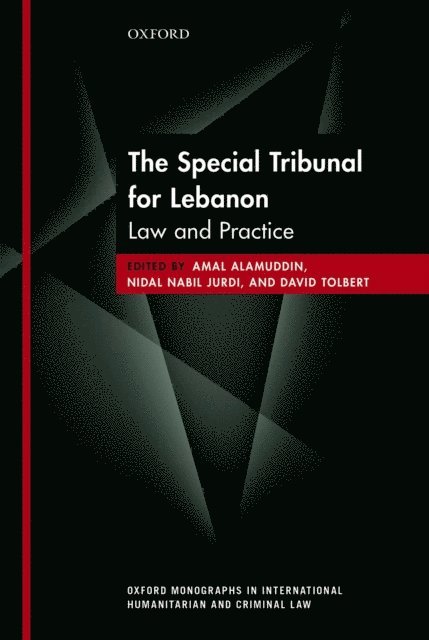
This book provides a full analytical overview of the establishment and functioning of the Special Tribunal for Lebanon, the newest and most controversial of the UN-sponsored international criminal courts. In 2005, Lebanese Prime Minister Rafic Hariri was assassinated in a huge blast that reverberated across Lebanon and the region. The Tribunal was established with a mandate to try the perpetrators of the Hariri killing, as well as those responsible for other killingsthat are ''connected'' to this core crime. Individuals associated with the Hezbollah group have been indicted to be tried in the court in The Hague-but in their absence as their locations are unknown.The Tribunal is the UN''s first attempt at addressing terrorism in an international criminal court, and the first attempt to set up international trials following crimes committed in the Middle East region. The court''s narrow mandate and unique procedures have led many to question what kind of precedent it will set in a volatile region. This book looks at how the court was established, its foundational principles based on the Statute of the International Criminal Court and Lebanese domestic law,and the possible further development of its case law. It provides an authoritative guide to the procedure of the Tribunal,the status of the Registry, the rights of suspects and accused, trials in absentia, and the regulation of the conduct of counsel, drawing on comparisons to other internationalcourts. The authors include those involved in setting up the court, prosecutors, defence counsel for the suspects, as well as judges and academic commentators who are experts on the issues covered in the book. They provide a probing insight into how the Tribunal came into being, its challenges, controversies, and its achievements to date.
Inbunden, Engelska, 2014
2 325 kr
Skickas inom 5-8 vardagar
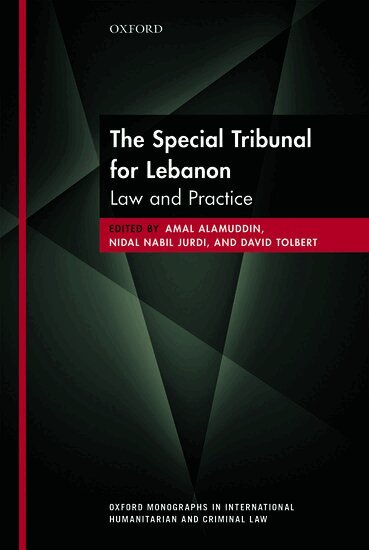
This book provides a full analytical overview of the establishment and functioning of the Special Tribunal for Lebanon, the newest and most controversial of the UN-sponsored international criminal courts. In 2005, Lebanese Prime Minister Rafic Hariri was assassinated in a huge blast that reverberated across Lebanon and the region. The Tribunal was established with a mandate to try the perpetrators of the Hariri killing, as well as those responsible for other killings that are 'connected' to this core crime. Individuals associated with the Hezbollah group have been indicted to be tried in the court in The Hague-but in their absence as their locations are unknown. The Tribunal is the UN's first attempt at addressing terrorism in an international criminal court, and the first attempt to set up international trials following crimes committed in the Middle East region. The court's narrow mandate and unique procedures have led many to question what kind of precedent it will set in a volatile region. This book looks at how the court was established, its foundational principles based on the Statute of the International Criminal Court and Lebanese domestic law, and the possible further development of its case law. It provides an authoritative guide to the procedure of the Tribunal,the status of the Registry, the rights of suspects and accused, trials in absentia, and the regulation of the conduct of counsel, drawing on comparisons to other international courts. The authors include those involved in setting up the court, prosecutors, defence counsel for the suspects, as well as judges and academic commentators who are experts on the issues covered in the book. They provide a probing insight into how the Tribunal came into being, its challenges, controversies, and its achievements to date.
Häftad, Engelska, 2016
473 kr
Skickas inom 10-15 vardagar
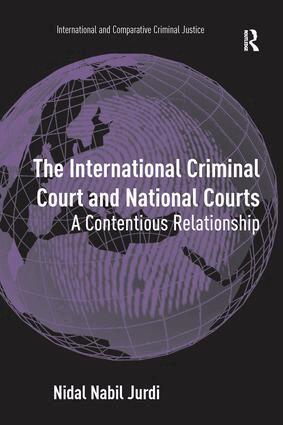
This book analyzes the position of the ICC in relation to national court systems. The research illustrates that what seemed to be a straight forward relationship between the ICC and national courts under the complementarity mechanism, proves to be much more complex in practice. Using the referrals of Uganda and Darfur, the book demonstrates ways in which it might be possible to prosecute for crimes currently not prosecuted by the ICC and brings to light possible solutions to overcome the gaps in law and practice in the jurisdictional relation between the ICC and national systems. It will be of value to academics, students and policy-makers working in the area of international law, international organizations, and human rights.
E-bok
Engelska, 2016557 kr
Läs direkt efter köp
This book analyzes the position of the ICC in relation to national court systems. The research illustrates that what seemed to be a straight forward relationship between the ICC and national courts under the complementarity mechanism, proves to be much more complex in practice. Using the referrals of Uganda and Darfur, the book demonstrates ways in which it might be possible to prosecute for crimes currently not prosecuted by the ICC and brings to light possible solutions to overcome the gaps in law and practice in the jurisdictional relation between the ICC and national systems. It will be of value to academics, students and policy-makers working in the area of international law, international organizations, and human rights.
E-bok
PDF, Engelska, 2016557 kr
Läs direkt efter köp
This book analyzes the position of the ICC in relation to national court systems. The research illustrates that what seemed to be a straight forward relationship between the ICC and national courts under the complementarity mechanism, proves to be much more complex in practice. Using the referrals of Uganda and Darfur, the book demonstrates ways in which it might be possible to prosecute for crimes currently not prosecuted by the ICC and brings to light possible solutions to overcome the gaps in law and practice in the jurisdictional relation between the ICC and national systems. It will be of value to academics, students and policy-makers working in the area of international law, international organizations, and human rights.
Inbunden, Engelska, 2011
1 301 kr
Skickas inom 10-15 vardagar
This book analyzes the position of the ICC in relation to national court systems. The research illustrates that what seemed to be a straight forward relationship between the ICC and national courts under the complementarity mechanism, proves to be much more complex in practice. Using the referrals of Uganda and Darfur, the book demonstrates ways in which it might be possible to prosecute for crimes currently not prosecuted by the ICC and brings to light possible solutions to overcome the gaps in law and practice in the jurisdictional relation between the ICC and national systems. It will be of value to academics, students and policy-makers working in the area of international law, international organizations, and human rights.