Niels Søndergaard – författare
Visar alla böcker från författaren Niels Søndergaard. Handla med fri frakt och snabb leverans.
5 produkter
5 produkter
Inbunden, Engelska, 2023
2 422 kr
Skickas inom 10-15 vardagar
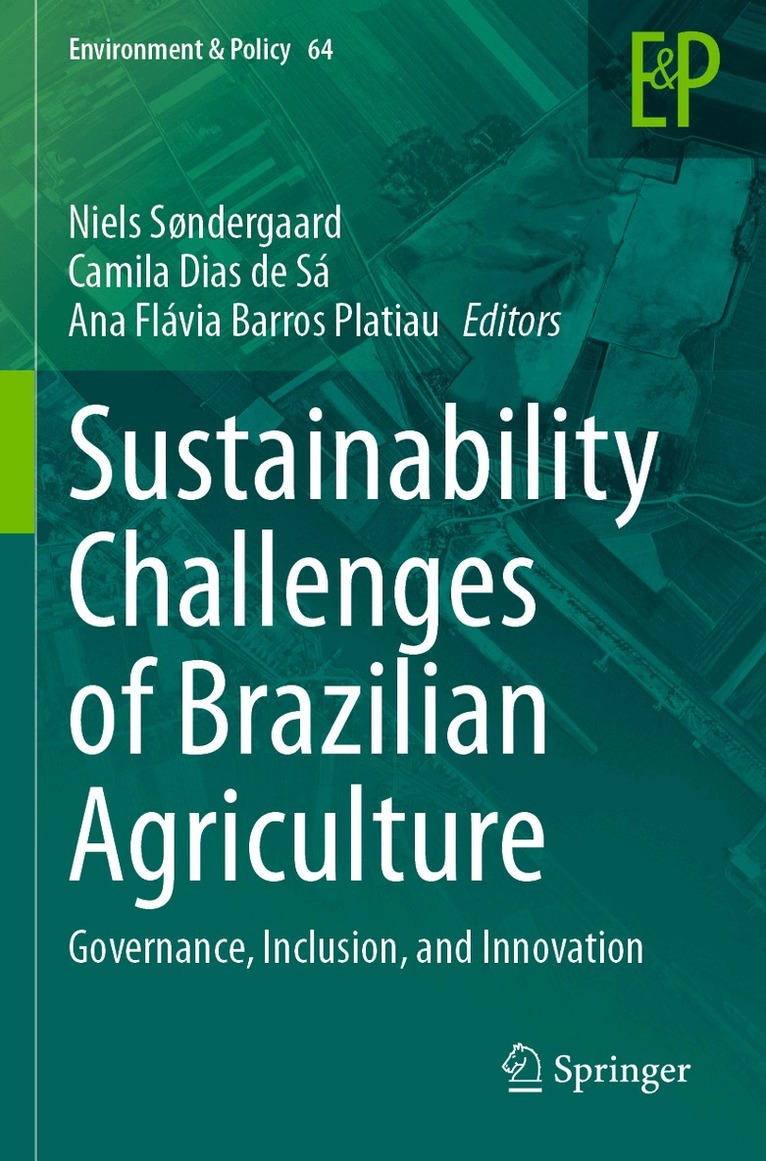
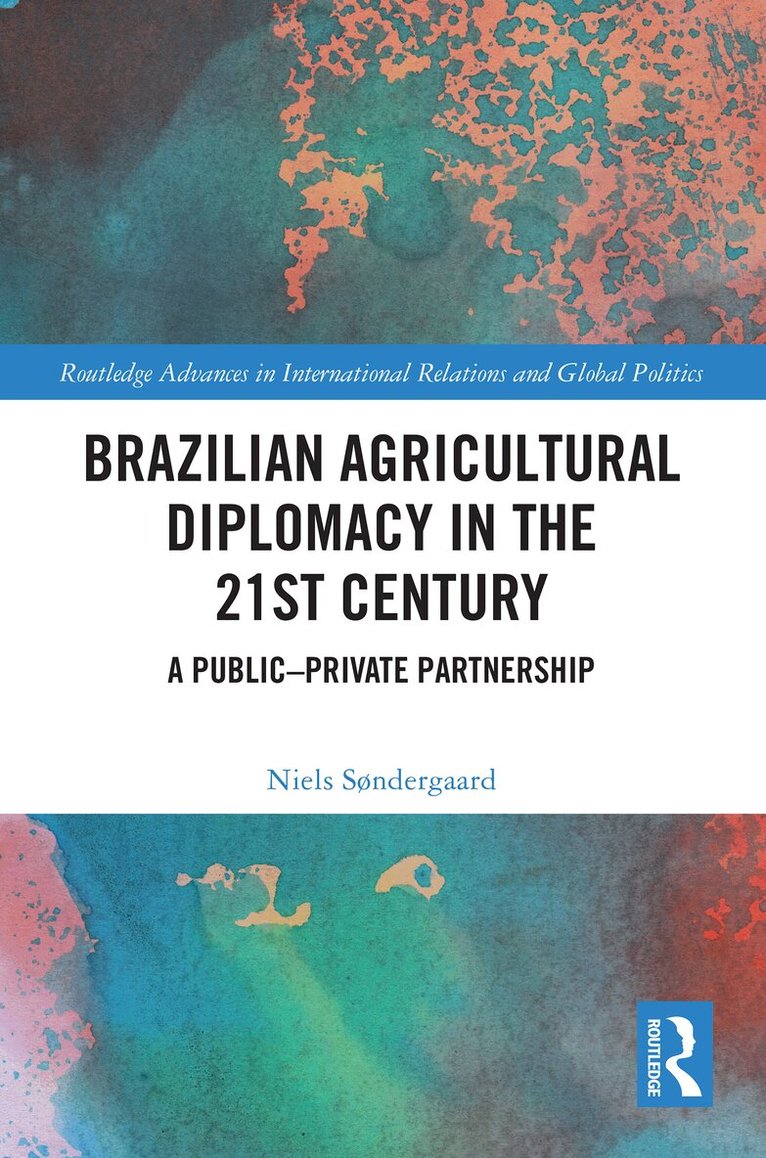
Brazil’s growing dependence on agriculture has positioned agribusiness in a uniquely privileged position to influence Brazilian foreign policy. Brazilian Agricultural Diplomacy in the 21st Century examines how the inclusion of domestic “national champions” in foreign policy has shaped events within key global governance arenas.Starting with an explanation of the structural economic importance of agriculture within the Brazilian economy, Niels Søndergaard tells the story of agribusiness’ participation in foreign policy and how this Brazilian Agricultural Diplomacy has unfolded in recent decades. Expanding on his extensive archival research undertaken in the Brazilian Ministry of Foreign Affairs and interviews with key figures, Søndergaard analyzes decision-making processes in multilateral trade negotiations, WTO dispute settlement, joint lobbying, transnational multistakeholder governance, bilateral interactions, and within the agriculture–climate nexus. These case studies show how a clear convergence of interests, close coordination, resource pooling, and coalition formation as part of this “public–private partnership” has produced impactful results within the wider global governance landscape, and how key goals of agricultural diplomacy have been internalized by actors in the foreign policymaking process.Brazilian Agricultural Diplomacy in the 21st Century is suitable for scholars and researchers studying developing economies in global governance, power transitions and multilateralism, food and climate politics, and domestic interests in foreign policy.
Häftad, Engelska, 2025
681 kr
Skickas inom 10-15 vardagar
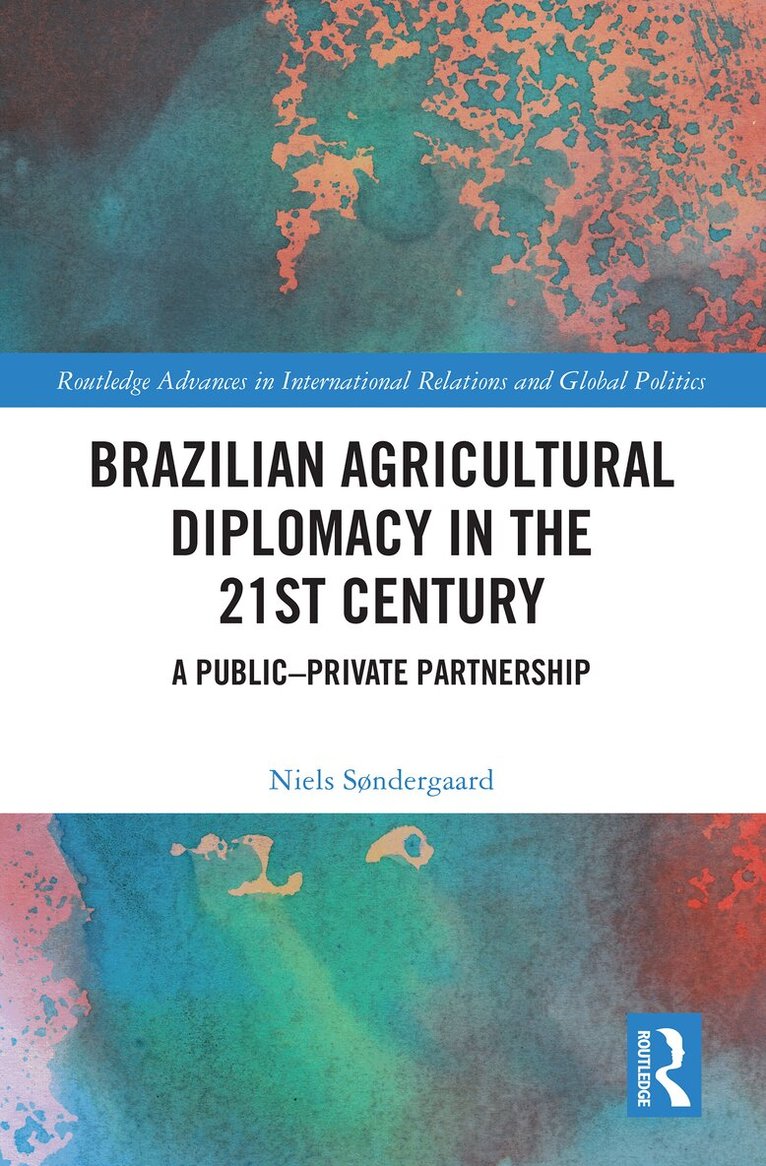
Brazil’s growing dependence on agriculture has positioned agribusiness in a uniquely privileged position to influence Brazilian foreign policy. Brazilian Agricultural Diplomacy in the 21st Century examines how the inclusion of domestic “national champions” in foreign policy has shaped events within key global governance arenas.Starting with an explanation of the structural economic importance of agriculture within the Brazilian economy, Niels Søndergaard tells the story of agribusiness’ participation in foreign policy and how this Brazilian Agricultural Diplomacy has unfolded in recent decades. Expanding on his extensive archival research undertaken in the Brazilian Ministry of Foreign Affairs and interviews with key figures, Søndergaard analyzes decision-making processes in multilateral trade negotiations, WTO dispute settlement, joint lobbying, transnational multistakeholder governance, bilateral interactions, and within the agriculture–climate nexus. These case studies show how a clear convergence of interests, close coordination, resource pooling, and coalition formation as part of this “public–private partnership” has produced impactful results within the wider global governance landscape, and how key goals of agricultural diplomacy have been internalized by actors in the foreign policymaking process.Brazilian Agricultural Diplomacy in the 21st Century is suitable for scholars and researchers studying developing economies in global governance, power transitions and multilateralism, food and climate politics, and domestic interests in foreign policy.
Del 64 - Environment & Policy
Sustainability Challenges of Brazilian Agriculture
Governance, Inclusion, and Innovation
Inbunden, Engelska, 2023
597 kr
Skickas inom 5-8 vardagar
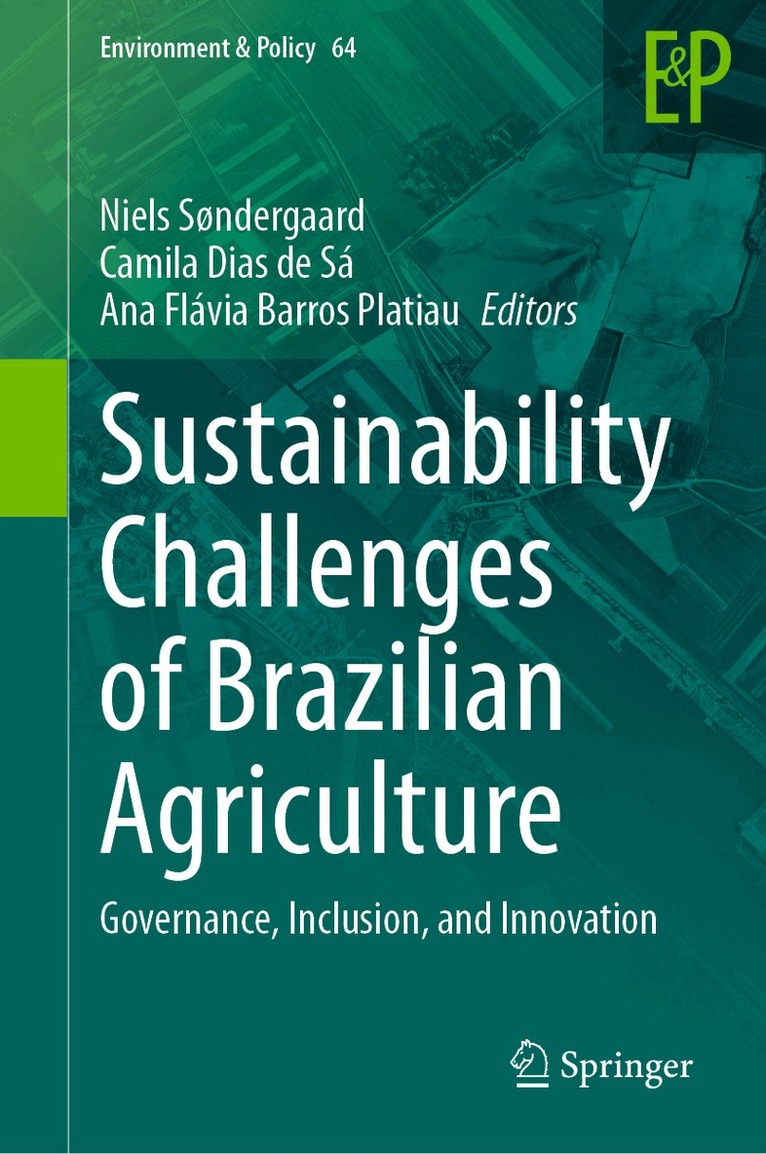
With contributions from a wide range of thematic areas, this book provides a diverse perspective on the contemporary environmental challenges of Brazilian agriculture. Assessing existing experiences of governance interventions, implementation of inclusive and sustainable production practices, as well as technical innovations, this edited volume presents the reader with a nuanced perspective on sustainable future pathways for Brazilian agriculture. In many cases, actors within the agricultural sector stand in a key position to address environmental concerns, which often has generated important breakthroughs and improvement of production practices. Drawing on contributions from authors within a variety of fields, this contribution presents a trans-disciplinary perspective on the problems and pathways through which multi-level interventions can lead to sustainable solutions within the Brazilian agricultural and livestock sector. This book hereby constitutes an informed and timely contribution to the important debates about Brazil’s potential role in confronting environmental problems. More broadly, this volume also sheds light on the process of agricultural transitions in the Global South, and how food security concerns may be reconciled with sustainable production.
Engelska, 2023
648 kr
Skickas inom 5-8 vardagar
Del 64 - Environment & Policy
Sustainability Challenges of Brazilian Agriculture
Governance, Inclusion, and Innovation
Häftad, Engelska, 2024
597 kr
Skickas inom 10-15 vardagar
With contributions from a wide range of thematic areas, this book provides a diverse perspective on the contemporary environmental challenges of Brazilian agriculture. Assessing existing experiences of governance interventions, implementation of inclusive and sustainable production practices, as well as technical innovations, this edited volume presents the reader with a nuanced perspective on sustainable future pathways for Brazilian agriculture. In many cases, actors within the agricultural sector stand in a key position to address environmental concerns, which often has generated important breakthroughs and improvement of production practices. Drawing on contributions from authors within a variety of fields, this contribution presents a trans-disciplinary perspective on the problems and pathways through which multi-level interventions can lead to sustainable solutions within the Brazilian agricultural and livestock sector. This book hereby constitutes an informed and timely contribution to the important debates about Brazil’s potential role in confronting environmental problems. More broadly, this volume also sheds light on the process of agricultural transitions in the Global South, and how food security concerns may be reconciled with sustainable production.