Nigel Fletcher-Jones - Böcker
Visar alla böcker från författaren Nigel Fletcher-Jones. Handla med fri frakt och snabb leverans.
8 produkter
8 produkter
249 kr
Skickas
First appearing around the mighty River Nile in the fourth millennium BC, Ancient Egypt is one of the great wellsprings of human civilization. Egyptian culture developed around a complex system of religious rituals tied to the agricultural seasons, with the pharaoh a living deity at the centre. Mighty pyramids, tombs and monuments were built to celebrate the pharaohs, many of which can still be seen in all their splendour today. Arranged chronologically, Ancient Egypt offers a compact photographic guide, from the 4000 BC Naqada culture to the end of the Ptolemy dynasty with the suicide of Cleopatra in 30 BC. In between, discover the Narmer Palette, a 31st century BC stone tablet that records the unification of Upper and Lower Egypt by King Narmer; learn about Amenhotep the Magnificent, during whose reign Egypt reached the peak of its artistic and international power; marvel at the massive, rock-cut temples of Abu Simbel, dedicated to Pharaoh Ramesses II (“the Great”), marking the southern extent of the Egyptian empire and celebrating his victory over the Hittites at the Battle of Kadesh; and discover how Egypt was ruled by Archaemenid Persia for almost 200 years, until the arrival of Alexander the Great and his all-conquering Macedonian army. Colourful, engaging and illustrated throughout with more than 180 photographs, Ancient Egypt is a vivid pictorial introduction to 4,000 years of Ancient Egyptian civilization.
214 kr
Skickas
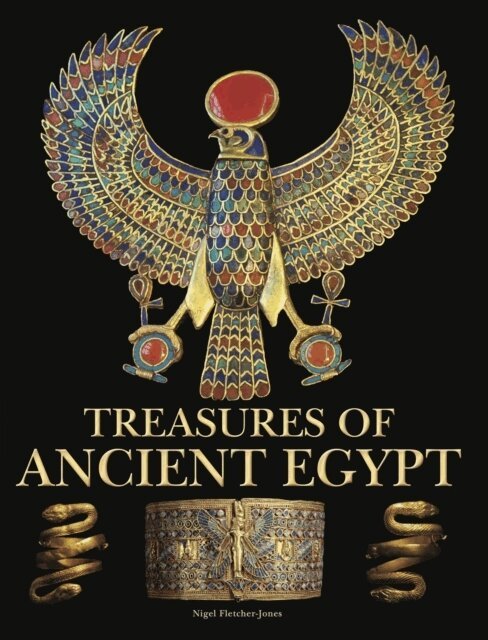
Four thousand years before the birth of Christ, ancient Egypt was the cradle of modern civilization. Powerful pharaohs built great cities on the fertile banks of the Nile, and employed thousands of labourers to create lavish tombs and temples such as Thebes and the pyramids of the Giza plateau. Today the exceptional beauty and scale of ancient Egypt’s antiquities is legendary and draws millions of visitors to Egypt’s museums and monuments each year. Treasures of Ancient Egypt is a celebration of these wonders, from Tutankhamun’s tomb to the pyramids, from ancient papyrus scrolls covered with hieroglyphs to golden amulets in the form of ankhs and scarabs. Featuring 160 colour photographs, Treasures of Ancient Egypt tells the stories of the pyramids, the Sphinx, the Valley of the Kings, and the artefacts that have been found there. From necklaces to mummies, from wall paintings to statues, this is a fascinating, highly colourful exploration of a mighty ancient civilization.
249 kr
Skickas
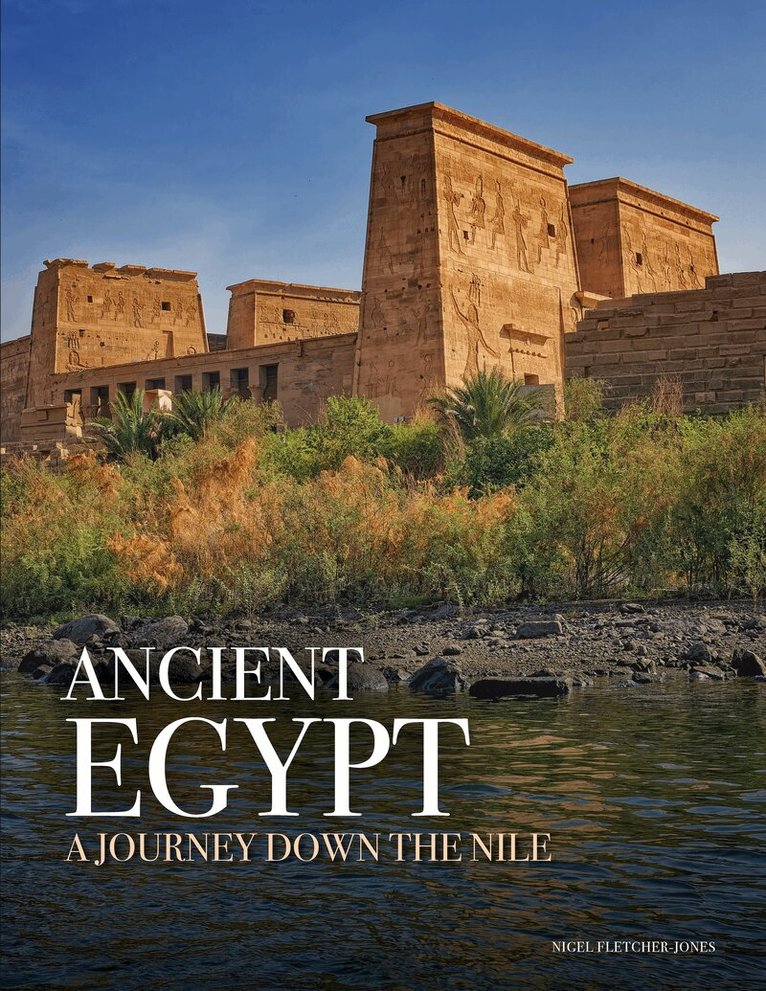
The extraordinary civilization of ancient Egypt could not have existed without the Nile, which rises in the Ethiopian Highlands and sub-Saharan Africa. In life, the ancient Egyptians were tied to an area of at most a few kilometres either side of the great river. Even in death, the Ancient Egyptians where never far from the river. Many of the most famous archaeological sites – the pyramids at Giza, the Valley of the Kings, the step pyramid at Saqqara, and the royal cult temples at Deir al-Bahri – lie within, beside, or on top of the cliffs created by the immense past flows of the River Nile. Ancient Egypt: A Journey Down the Nile follows the course of the river from south to north, illuminating ancient Egyptian history through the patchwork of temples, tombs and pyramids to either side. The Egyptian state began with unification under southern Egyptian kings around 3100 BC and it started its final decline in the north around the great city of Alexandria, established in 331 BC by Alexander the Great. Engaging and illustrated throughout with more than 180 photographs, Ancient Egypt: Journey Down the Nile is a vivid pictorial exploration of 4,000 years of Ancient Egyptian civilization from the river that gave life to the region.
428 kr
Skickas inom 5-8 vardagar
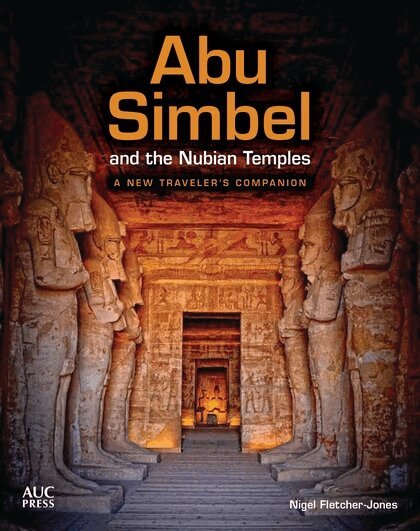
The three-thousand-year-old rock-cut temples at Abu Simbel and the story of their rescue from the rising waters of Lake Nasser in the 1960s are almost as familiar worldwide as the tale of the gold funerary mask and brief life of the boy king Tutankhamun. Yet although they remain among the most celebrated, visited, and photographed archaeological sites in the world, the lower Nubian temples-from Philae in the north to Abu Simbel in the south-are some of the least understood by the visitor.In this lucidly written, beautifully illustrated book, Nigel Fletcher-Jones places the temples in their historical context, telling the story of the discovery of the Abu Simbel temples, and why and how they were moved, explaining what the Nubian temples teach us about ancient Egypt, which gods and goddesses were worshiped there, and the place of Rameses II in the long line of ancient Egyptian kings and queens.With over 80 new photographs, diagrams, and maps, and packed with fascinating insights, Abu Simbel and the Nubian Temples is an ideal introduction to one of the world's great regions of archaeological splendor.
153 kr
Skickas inom 5-8 vardagar
The three-thousand-year-old rock-cut temples at Abu Simbel and the story of their rescue from the rising waters of Lake Nasser in the 1960s are almost as familiar worldwide as the tale of the gold funerary mask and brief life of the boy king Tutankhamun. Yet although they are among the most celebrated, visited, and photographed archaeological sites in the world, the two temples are among the least understood by the visitor. In this lucidly written, beautifully illustrated guide, Nigel Fletcher-Jones explains the main features of both temples, discusses what they teach us about ancient Egypt during the reign of Rameses II (1265–1200 BC), and illustrates which gods and goddesses were worshipped here. With over 80 new photographs, drawings, and diagrams, and packed with fascinating insights, The Brief Guide to Abu Simbel is an indispensable companion and souvenir to one of the world’s great archaeological sites.
153 kr
Skickas inom 5-8 vardagar
The three-thousand-year-old rock-cut temples at Abu Simbel and the story of their rescue from the rising waters of Lake Nasser in the 1960s are almost as familiar worldwide as the tale of the gold funerary mask and brief life of the boy king Tutankhamun. Yet although they are among the most celebrated, visited, and photographed archaeological sites in the world, the two temples are among the least understood by the visitor. In this lucidly written, beautifully illustrated guide, Nigel Fletcher-Jones explains the main features of both temples, discusses what they teach us about ancient Egypt during the reign of Rameses II (1265–1200 BC), and illustrates which gods and goddesses were worshipped here. With over 80 new photographs, drawings, and diagrams, and packed with fascinating insights, The Brief Guide to Abu Simbel is an indispensable companion and souvenir to one of the world’s great archaeological sites.
306 kr
Skickas
Jewelry was worn by ancient Egyptians at every level of society and, like their modern descendants, they prized it for its aesthetic value, as a way to adorn and beautify the body. It was also a conspicuous signifier of wealth, status, and power. But jewelry in ancient Egypt served another fundamental purpose: its wearers saw it as a means to absorb positive magical and divine powers—to protect the living, and the dead, from the malignant forces of the unseen. The types of metals or stones used by craftsmen were magically important, as were the colors of the materials, and the exact positioning of all the elements in a design. Ancient Egyptian Jewelry: 50 Masterpieces of Art and Design draws on the exquisite collections in the archaeological museums of Cairo to tell the story of three thousand years of jewelry-making, from simple amulets to complex ritual jewelry to the spells that protected the king in life and assisted his journey to the Otherworld in death. Gold, silver, carnelian, turquoise, and lapis lazuli were just some of the precious materials used in many of the pieces, and this stunningly illustrated book beautifully showcases the colors and exceptional artistry and accomplishment that make ancient Egyptian jewelry so dazzling to this day.
153 kr
Skickas inom 5-8 vardagar
The three-thousand-year-old rock-cut temples at Abu Simbel and the story of their rescue from the rising waters of Lake Nasser in the 1960s are almost as familiar worldwide as the tale of the gold funerary mask and brief life of the boy king Tutankhamun. Yet although they are among the most celebrated, visited, and photographed archaeological sites in the world, the two temples are among the least understood by the visitor. In this lucidly written, beautifully illustrated guide, Nigel Fletcher-Jones explains the main features of both temples, discusses what they teach us about ancient Egypt during the reign of Rameses II (1265–1200 BC), and illustrates which gods and goddesses were worshipped here. With over 50 new photographs, drawings, and diagrams, and packed with fascinating insights, Abu Simbel: A Short Guide to the Temples is an indispensable companion and souvenir to one of the world’s great archaeological sites.