Nigel Inkster – författare
Visar alla böcker från författaren Nigel Inkster. Handla med fri frakt och snabb leverans.
10 produkter
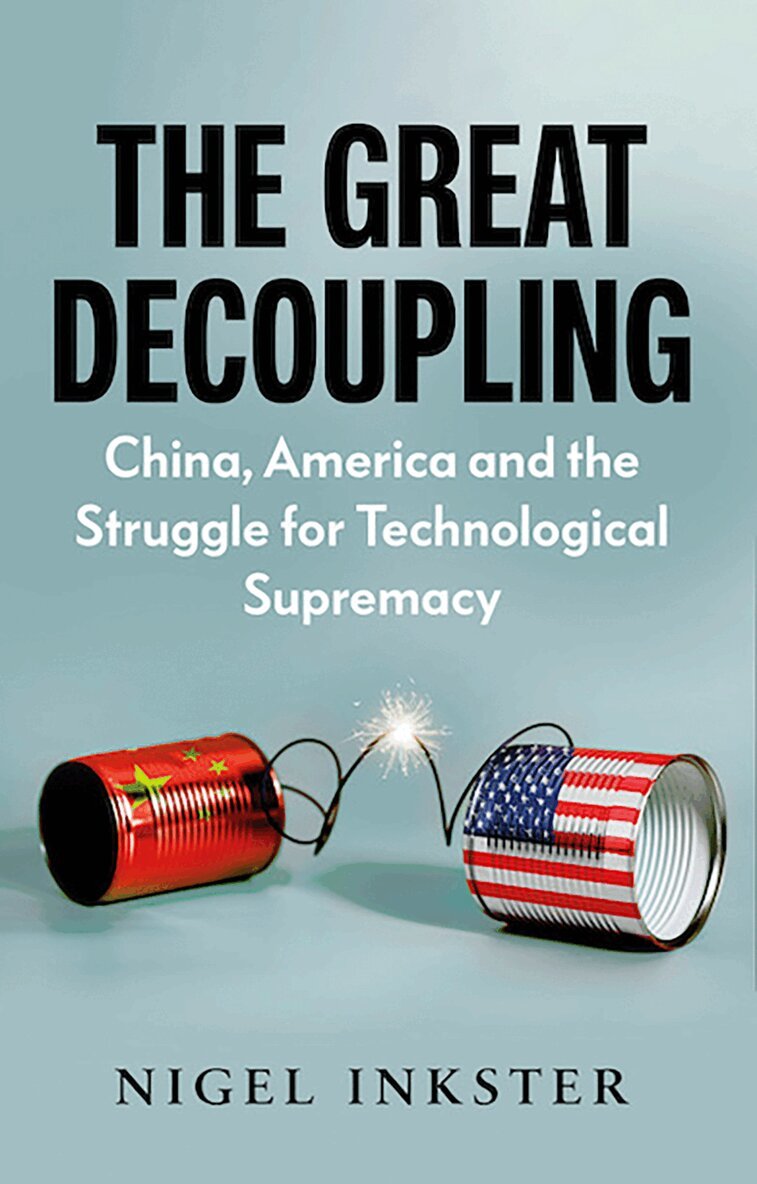
Great Decoupling
China, America and the Struggle for Technological Supremacy
Häftad, 2023
245 kr
Lägg i varukorg
For much of recorded history, China was a leading science and technology power. But just as the West rose, China turned in on itself, and missed the Industrial Revolution. The result was the ‘Hundred Years of Humiliation’, and a long struggle for a modern, yet distinctly Chinese, civilisational …
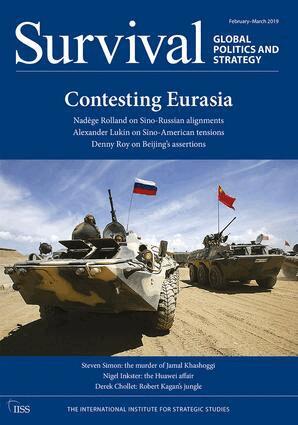
Survival 61.1
Av Nadege Rolland, Alexander Lukin m. fl.
Häftad, 2019
362 kr
Lägg i varukorg
Survival, the bi-monthly publication from The International Institute for Strategic Studies, is a leading forum for analysis and debate of international and strategic affairs. With a diverse range of authors, thoughtful reviews and review essays, Survival is scholarly in depth while vivid, …
Drugs, Insecurity and Failed States
The Problems of Prohibition
Häftad, 2012
254 kr
Lägg i varukorg
The world’s wealthiest nations have expended vast blood and treasure in tracking and capturing traffickers, dealers and consumers of narcotics, as well as destroying crops and confiscating shipments. Yet the global trade in illicit drugs is thriving, with no apparent change in the level of …
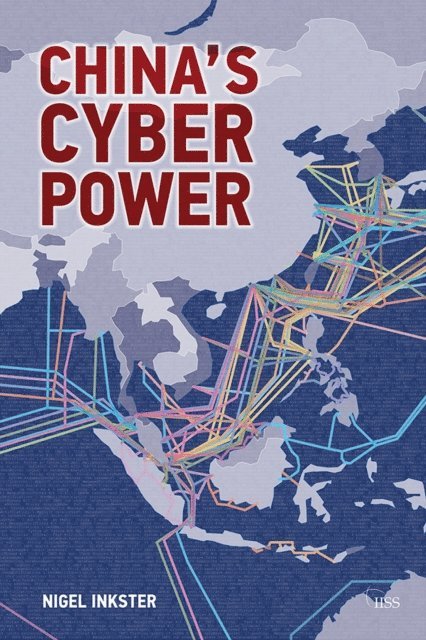
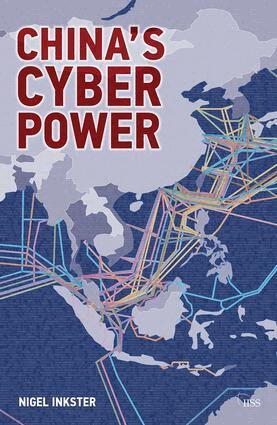
China's Cyber Power
E-bok, 2018
347 kr
Lägg i varukorg
China’s emergence as a major global power is reshaping the cyber domain. The country has the world’s largest internet-user community, a growing economic footprint and increasingly capable military and intelligence services. Harnessing these assets, it is pursuing a patient, assertive foreign …
China's Cyber Power
E-bok, 2018
339 kr
Lägg i varukorg
China’s emergence as a major global power is reshaping the cyber domain. The country has the world’s largest internet-user community, a growing economic footprint and increasingly capable military and intelligence services. Harnessing these assets, it is pursuing a patient, assertive foreign …
China’s Cyber Power
Häftad, 2016
299 kr
Lägg i varukorg
China’s emergence as a major global power is reshaping the cyber domain. The country has the world’s largest internet-user community, a growing economic footprint and increasingly capable military and intelligence services. Harnessing these assets, it is pursuing a patient, assertive foreign policy …
Drugs, Insecurity and Failed States
The Problems of Prohibition
Inbunden, 2020
2834 kr
Lägg i varukorg
The worlds wealthiest nations have expended vast blood and treasure in tracking and capturing traffickers, dealers and consumers of narcotics, as well as destroying crops and confiscating shipments. Yet the global trade in illicit drugs is thriving, with no apparent change in the level of …
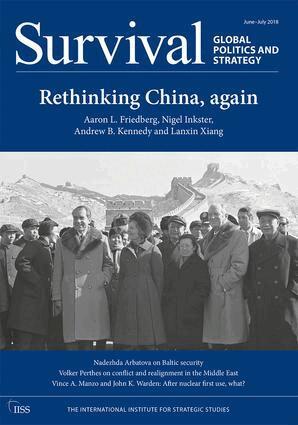
Survival 60.3
Av Aaron L. Friedbury, Nigel Inkster m. fl.
Häftad, 2018
362 kr
Lägg i varukorg
Survival, the bi-monthly publication from The International Institute for Strategic Studies, is a leading forum for analysis and debate of international and strategic affairs. With a diverse range of authors, thoughtful reviews and review essays, Survival is scholarly in depth while vivid, …
Great Decoupling
China, America and the Struggle for Technological Supremacy
Inbunden, 2020
328 kr
Lägg i varukorg
For much of recorded history, China was a leading science and technology power. But just as the West rose, China turned in on itself, and missed the Industrial Revolution. The result was the ‘Hundred Years of Humiliation’, and a long struggle for a modern, yet distinctly Chinese, civilisational …
Great Decoupling
China, America and the Struggle for Technological Supremacy
E-bok, 2021
271 kr
Lägg i varukorg
For much of recorded history, China was a leading science and technology power. But just as the West rose, China turned in on itself, and missed the Industrial Revolution. The result was the ‘Hundred Years of Humiliation’, and a long struggle for a modern, yet distinctly Chinese, civilisational …