Nik Cornish – författare
Visar alla böcker från författaren Nik Cornish. Handla med fri frakt och snabb leverans.
20 produkter
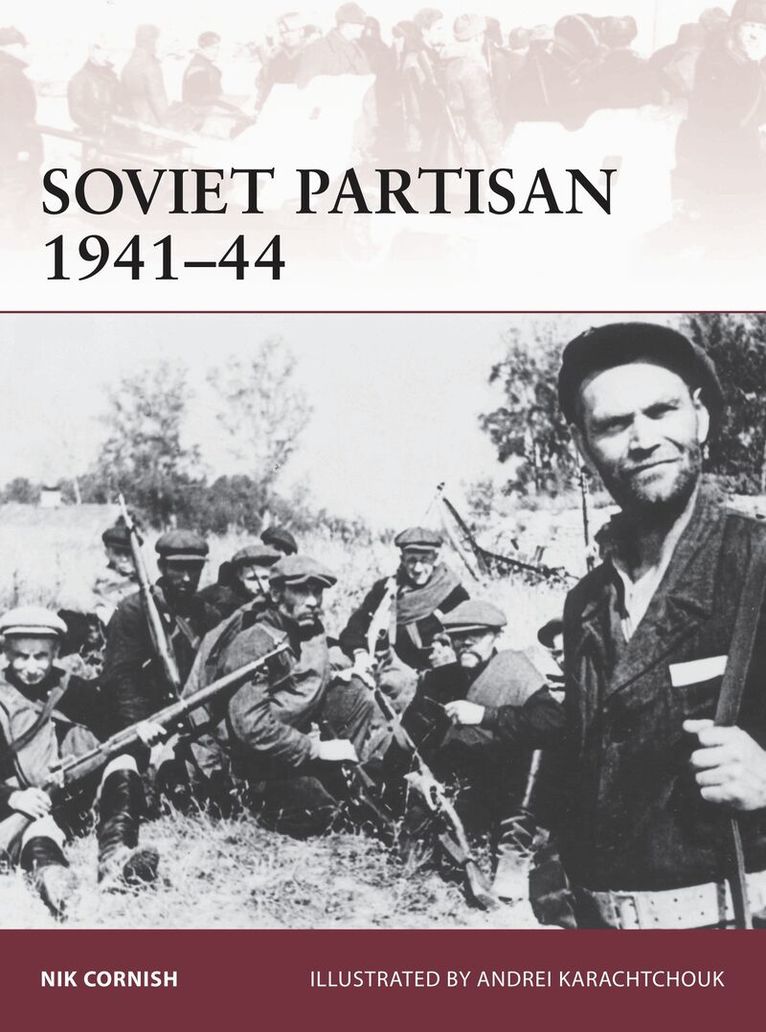
Soviet Partisan 1941–44
Av Nik Cornish
Häftad, 2014
186 kr
Lägg i varukorg
The partisan war in the Soviet Union from 1941 to 1944 has been the subject of considerable political manipulation in the decades following 1945.In great part this was due to the need to project the image of a country united behind Joseph Stalin and the Communist regime when the truth was much more …
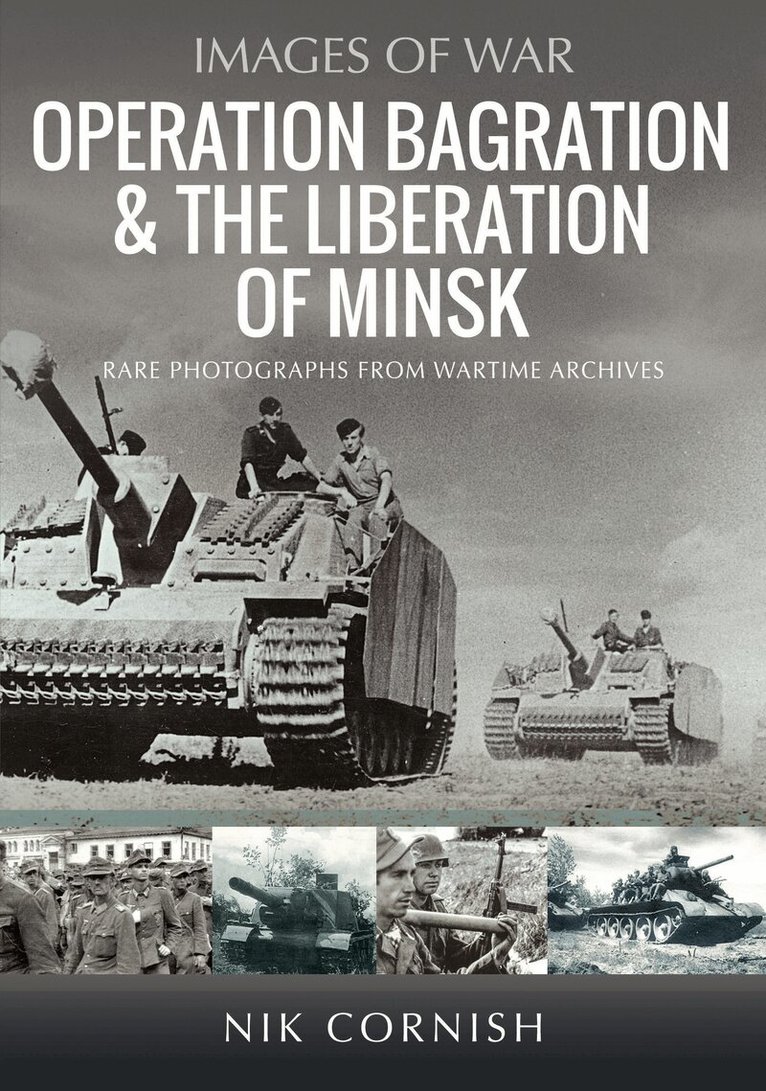
Operation Bagration & the Liberation of Minsk
Av Nik Cornish
Häftad, 2025
188 kr
Lägg i varukorg
Often overshadowed by D-Day Operation Bagration, the code name for the Red Army's summer offensive of 1944, broke the back of the Axis on the Eastern Front. Coincidentally beginning on the third anniversary of Hitler's invasion of the Soviet Union, Bagration demonstrated that the Red Army had …
Soviet Partisan 1941–44
Av Nik Cornish
E-bok, 2014
214 kr
Lägg i varukorg
The partisan war in the Soviet Union from 1941 to 1944 has been the subject of considerable political manipulation in the decades following 1945. In great part this was due to the need to project the image of a country united behind Joseph Stalin and the Communist regime when the truth was much …
Soviet Partisan 1941–44
Av Nik Cornish
E-bok, 2014
210 kr
Lägg i varukorg
The partisan war in the Soviet Union from 1941 to 1944 has been the subject of considerable political manipulation in the decades following 1945. In great part this was due to the need to project the image of a country united behind Joseph Stalin and the Communist regime when the truth was much …
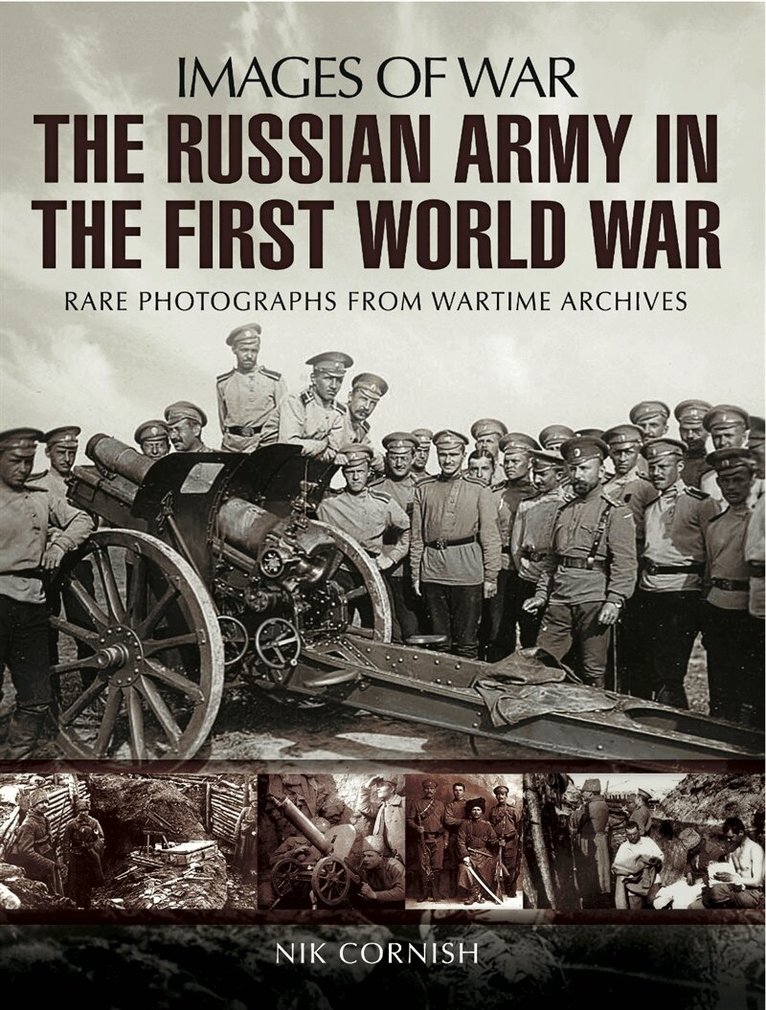
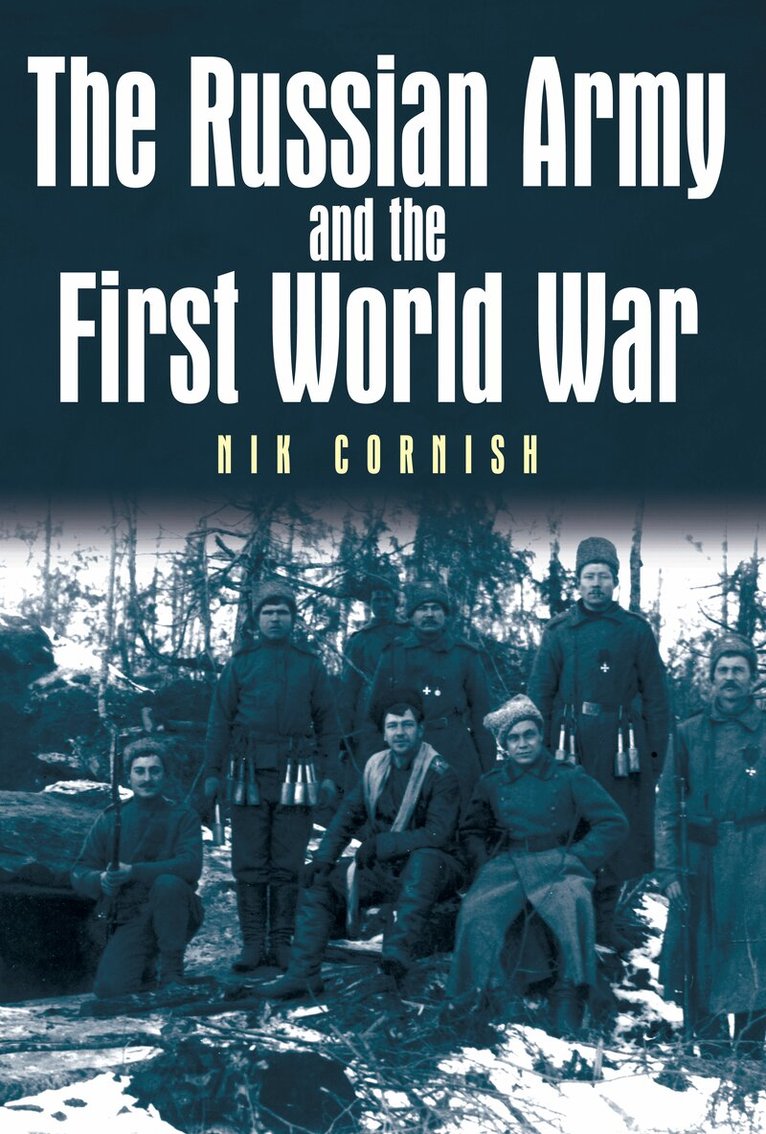
The Russian Army in the First World War
Av Nik Cornish
E-bok, 2021
127 kr
Lägg i varukorg
For 100 years little attention has been paid to the Russian army that fought the Germans and the Austro-Hungarians in the First World War on the Eastern Front. Yet the Tsar's army played a critical part in the global conflict and was engaged in a sequence of shattering campaigns that were waged on …
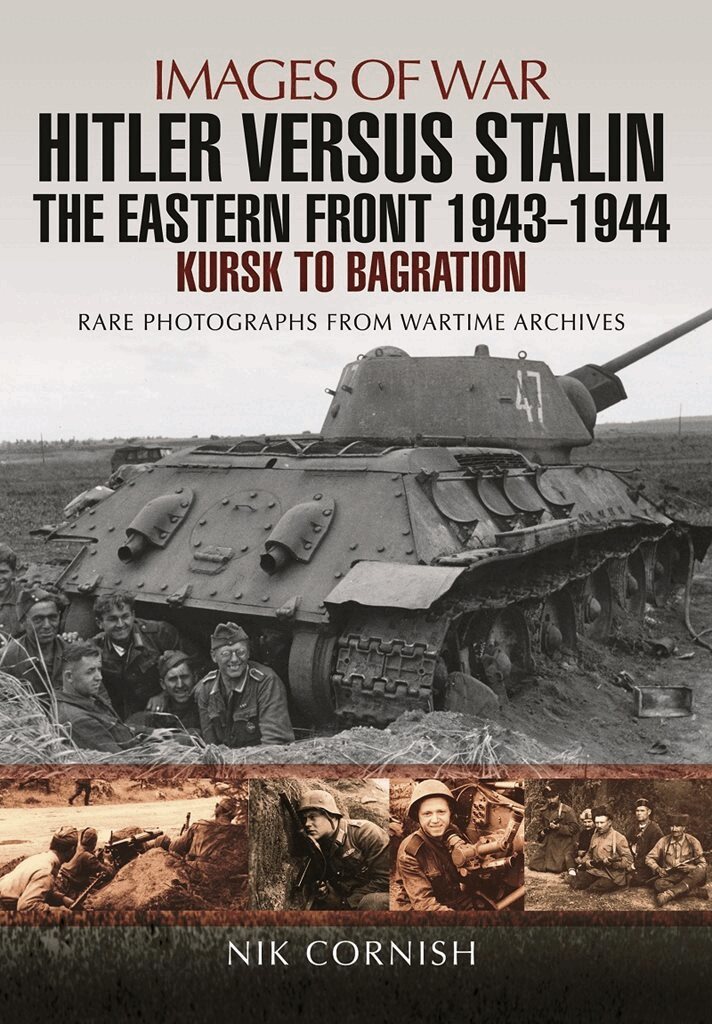
Hitler versus Stalin: The Eastern Front 1943 - 1944
Av Nik Cornish
Häftad, 2017
171 kr
Lägg i varukorg
The third volume in Nik Cornish's photographic history of the Second World War on the Eastern Front records in vivid visual detail the sequence of Red Army offensives that pushed the Wehrmacht back across Russia after the failure of the Operation Citadel, the German attack at Kursk. Previously …
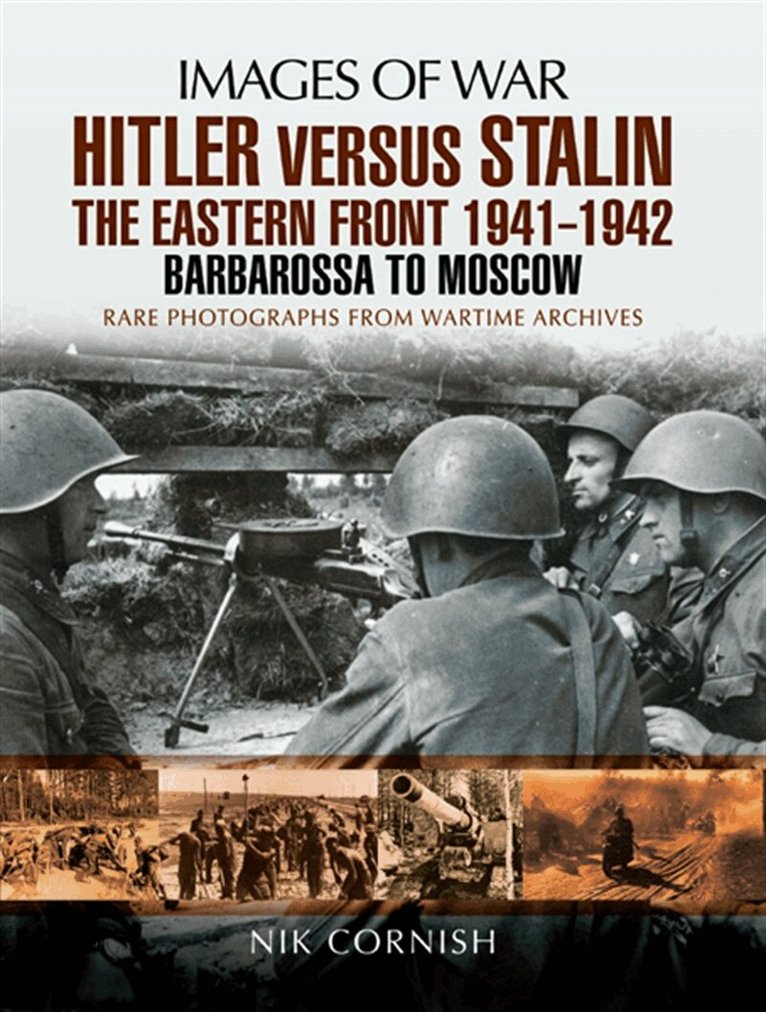
Hitler versus Stalin: The Eastern Front 1941 - 1942
Barbarossa to Moscow
Av Nik Cornish
E-bok, 2021
127 kr
Lägg i varukorg
The world was not prepared for the massive onslaught launched by Nazi Germany on the Soviet Union on 22 June 1941 – the scale of the invasion, the speed of the German advance, the hundreds of thousands of Red Army soldiers taken prisoner, the chaotic, headlong retreat of Stalin’s forces eastwards, …
Hitler versus Stalin: The Eastern Front 1941-1942
Barbarossa to Moscow
Av Nik Cornish
E-bok, 2016
88 kr
Lägg i varukorg
This pictorial WWII history chronicles the epic drama of the Eastern Front, from Operation Barbarossa to the Battle of Moscow.The world was not prepared for the massive onslaught launched by Nazi Germany on the Soviet Union on June, 22nd, 1941. The scale of the invasion and the speed of the German …
Red Army into the Reich
Av Nik Cornish, Patrick Hook m. fl.
E-bok, 2021
191 kr
Lägg i varukorg
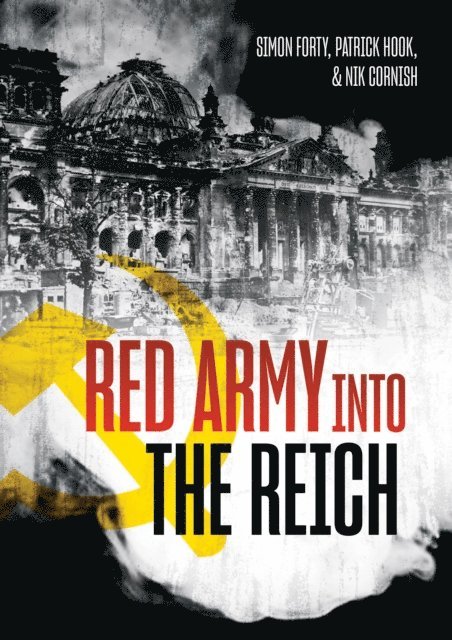
An illustrated history of how the Red Army pushed west and into Berlin in 1945 during World War II. The last year of the war saw Russian offensives that cleared the Germans out of their final strongholds in Finland and the Baltic states, before advancing into Finnmark in Norway and the east …
Berlin
Av Nik Cornish
E-bok, 2021
127 kr
Lägg i varukorg
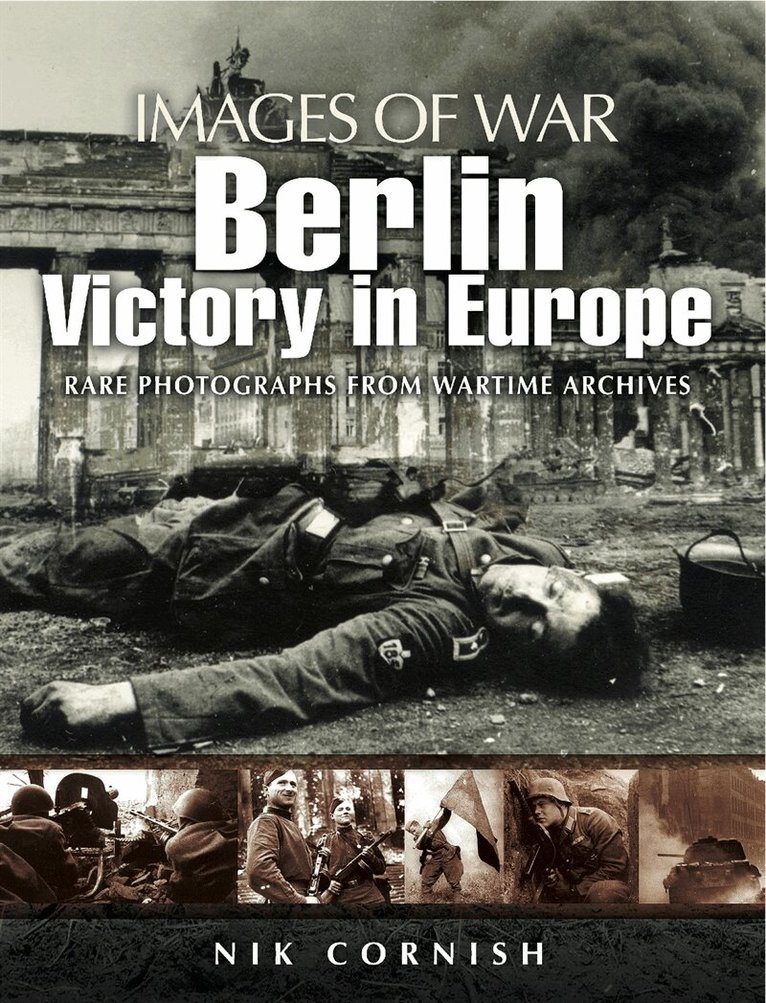
In April and May 1945 the city of Berlin was the site of the final destructive act of the Second World War in Europe. The German capital became a battleground. After three weeks of ruthless fighting against a desperate, sometimes suicidal, defense, the Red Army took the city and crushed the last …
The Russian Revolution
World War to Civil War, 1917–1921
Av Nik Cornish
E-bok, 2021
127 kr
Lägg i varukorg
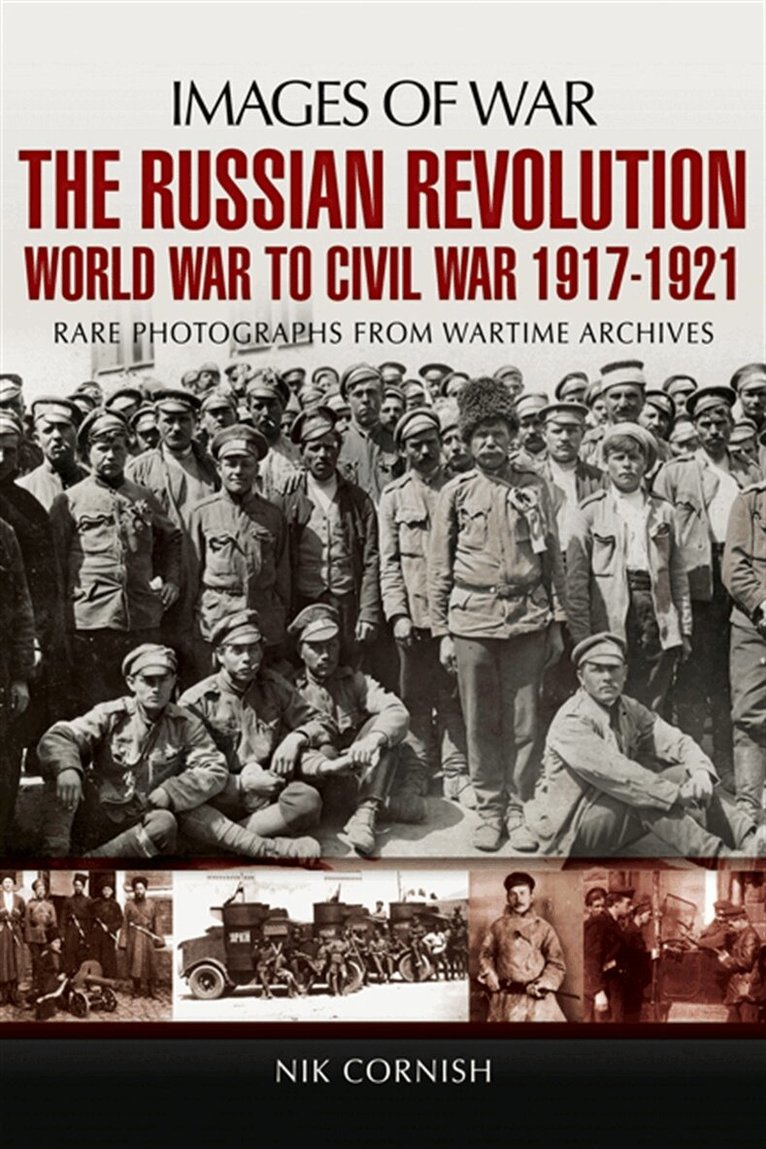
Often the drama of the October Revolution and the Bolshevik seizure of power overshadow the disastrous Russian-German war that preceded it and the extended, confusing, many-sided civil war between the Reds and the Whites that followed. But Nik Cornish’s vivid photographic history gives equal …
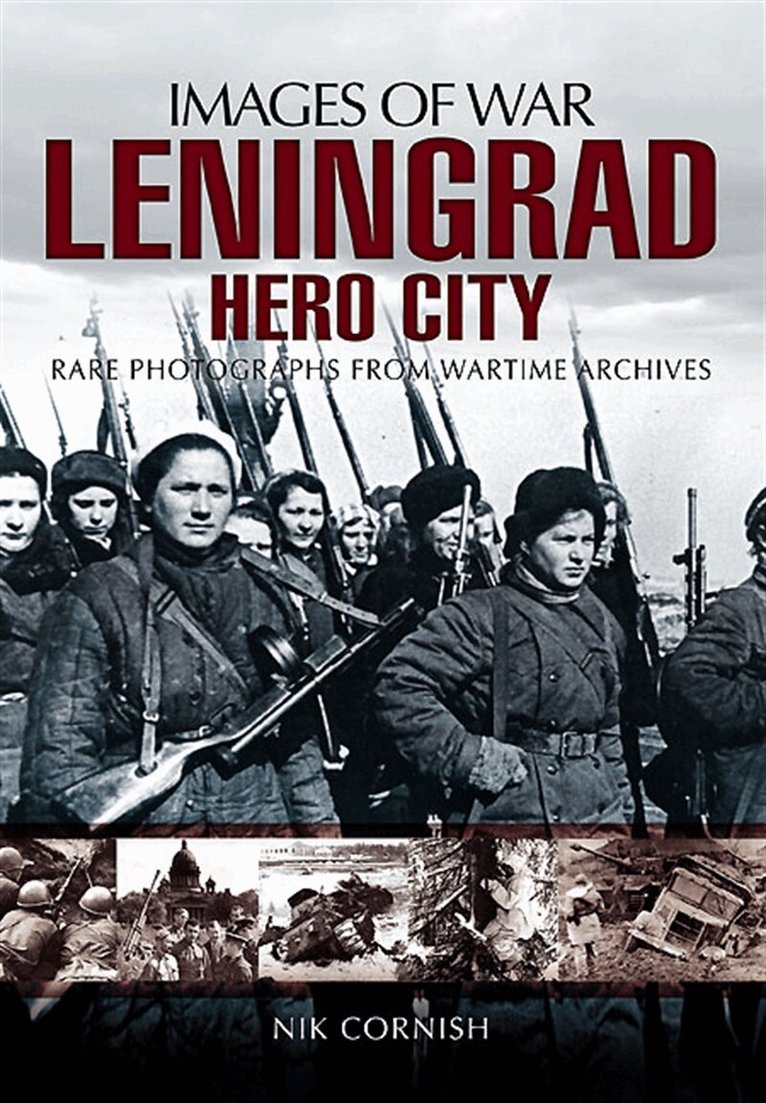
Leningrad
Hero City
Av Nik Cornish
E-bok, 2011
88 kr
Lägg i varukorg
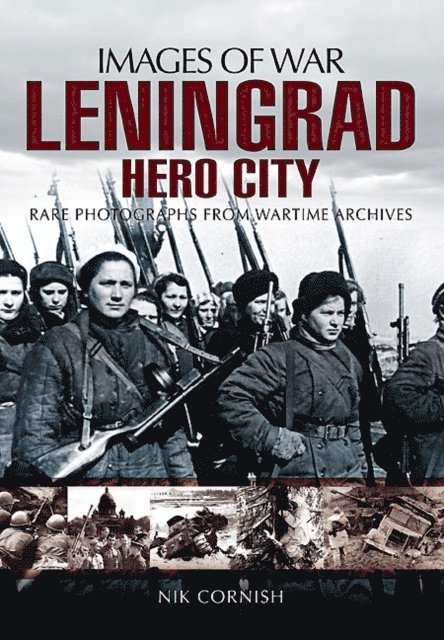
The 900-day siege of the Soviet city of Leningrad by the combined forces of the Germans and the Finns is one of the most remarkable, and terrible, events of the Second World War, yet until recently it has not received the attention it deserves it has been overshadowed by other massive …
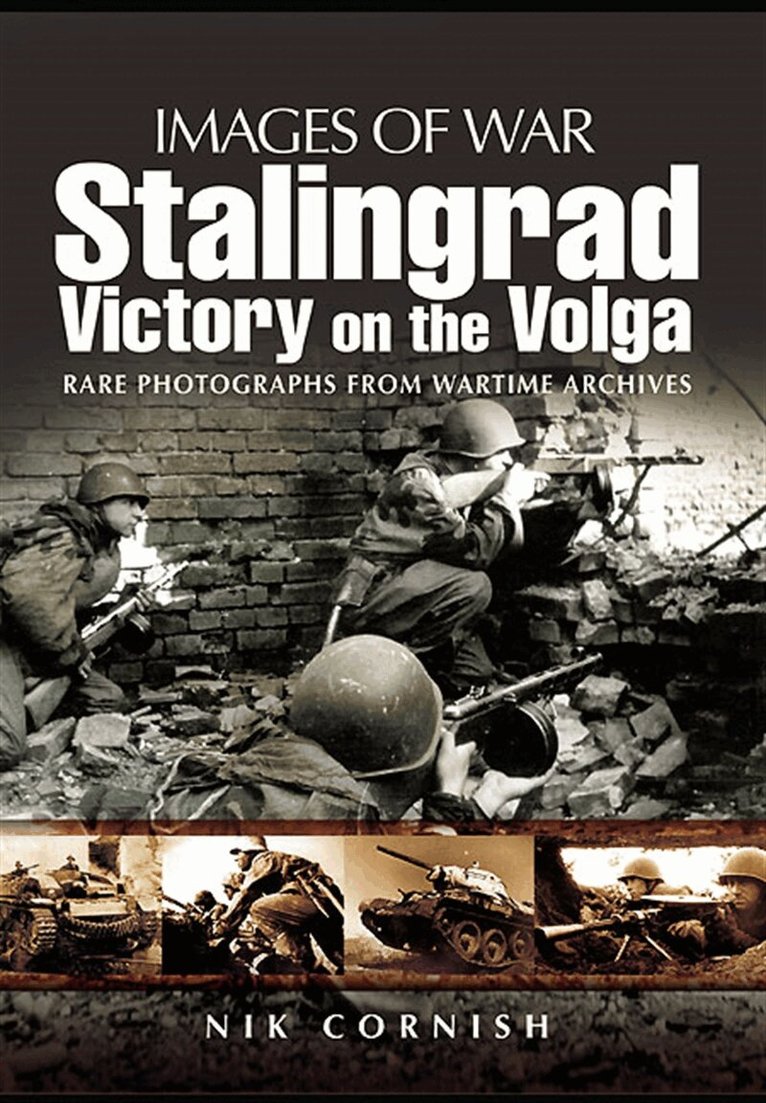
Stalingrad
Victory on the Volga
Av Nik Cornish
E-bok, 2011
88 kr
Lägg i varukorg
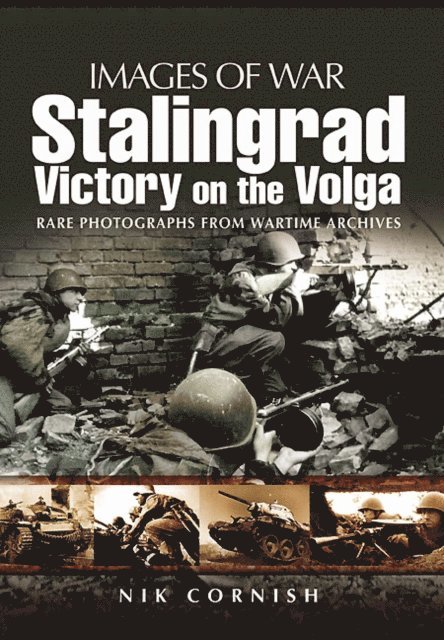
This illustrated WWII history captures the brutal conditions and bitter combat of the Battle of Stalingrad through rare wartime photographs.The Soviet victory over the Germans at Stalingrad was a decisive moment for the war on the Eastern Front and the Second World War as a whole. The story of the …
Partisan Warfare on the Eastern Front, 1941-1944
Av Nik Cornish
E-bok, 2014
14 kr
Lägg i varukorg
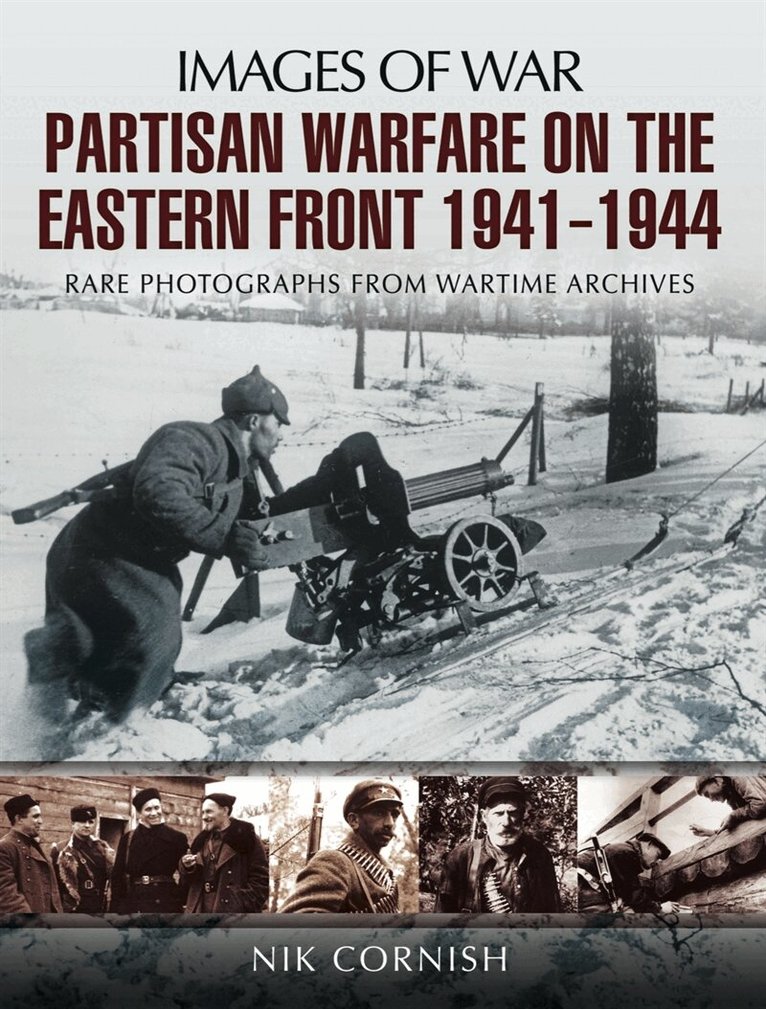
Between 1941 and 1944, in the war on the Eastern Front, Soviet partisans fought a ruthless underground campaign behind the German lines. During those three terrible years of occupation they spied on the Germans, disrupted their communications, sabotaged road and rail routes and carried out …
Partisan Warfare on the Eastern Front 1941-1944
Av Nik Cornish
E-bok, 2021
127 kr
Lägg i varukorg
Between 1941 and 1944, in the war on the Eastern Front, Soviet partisans fought a ruthless underground campaign behind the German lines. During those three terrible years of occupation, they spied on the Germans, disrupted their communications, sabotaged road and rail routes and carried out …
Russian Army 1914–18
Av Nik Cornish
Häftad, 2001
162 kr
Lägg i varukorg
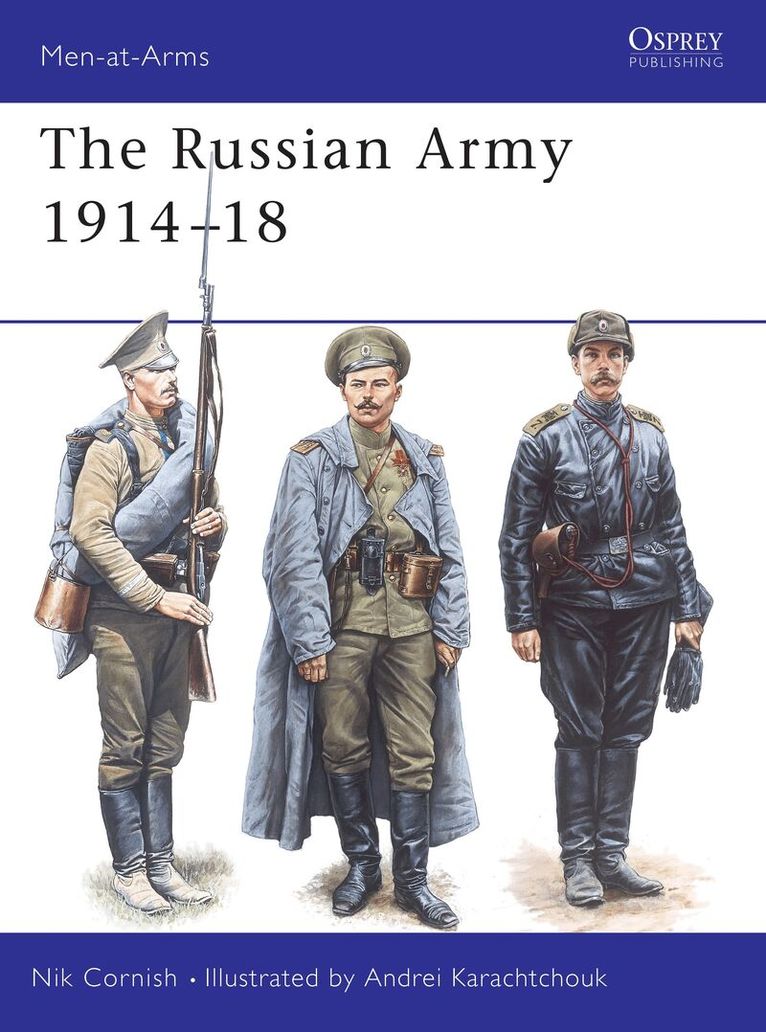
Often overshadowed by the drama of its catastrophic collapse in the November 1917 Revolution, the Imperial Russian Army's record in 1914-16 included some notable victories.Its human qualities of patriotism and endurance were remarkable, and in 1916 the 'Brusilov Offensive' on the South-Western …
Leningrad
Hero City
Av Nik Cornish
E-bok, 2021
127 kr
Lägg i varukorg
The 900-day siege of the Soviet city of Leningrad by the combined forces of the Germans and the Finns is one of the most remarkable, and terrible, events of the Second World War, yet until recently it has not received the attention it deserves – it has been overshadowed by other massive …
Stalingrad: Victory on the Volga
Victory on the Volga
Av Nik Cornish
E-bok, 2021
127 kr
Lägg i varukorg
The Soviet victory over the Germans at Stalingrad was decisive for the war on the Eastern Front and for the Second World War as a whole, and the story of the long, bitter battle on the banks of the Volga has fascinated historians ever since. While it has been the subject of countless histories, …
Stalingrad: Victory on the Volga
Av Nik Cornish
Häftad, 2009
166 kr
Tillfälligt slut
The Soviet victory over the Germans at Stalingrad was decisive for the war on the Eastern Front and for the Second World War as a whole, and the story of the long, bitter battle on the banks of the Volga has fascinated historians ever since. While it has been the subject of countless histories, …
Russian Army and the First World War
Av Nik Cornish
Inbunden, 2006
214 kr
Tillfälligt slut
This book covers not only the three major events on the Eastern Front, the battle of Tannenburg and the March and October Revolutions, it also dispels some of the myths that have grown up around the Tsar's army: their often-cited inability to adapt to 'modern' warfare being one. The nationalist …