Nikki Robinson - Böcker
Visar alla böcker från författaren Nikki Robinson. Handla med fri frakt och snabb leverans.
5 produkter
5 produkter
1 480 kr
Skickas inom 10-15 vardagar
IT and cybersecurity teams have had a long-standing battle between functionality and security. But why? To understand where the problem lies, this book will explore the different job functions, goals, relationships, and other factors that may impact how IT and cybersecurity teams interact. With different levels of budget, competing goals, and a history of lack of communication, there is a lot of work to do to bring these teams together. Empathy and emotional intelligence are common phenomena discussed in leadership books, so why not at the practitioner level? Technical teams are constantly juggling projects, engineering tasks, risk management activities, security configurations, remediating audit findings, and the list goes on. Understanding how psychology and human factors engineering practices can improve both IT and cybersecurity teams can positively impact those relationships, as well as strengthen both functionality and security. There is no reason to have these teams at odds or competing for their own team’s mission; align the missions, and align the teams. The goal is to identify the problems in your own team or organization and apply the principles within to improve how teams communicate, collaborate, and compromise. Each organization will have its own unique challenges but following the question guide will help to identify other technical gaps horizontally or vertically.
512 kr
Skickas inom 10-15 vardagar
IT and cybersecurity teams have had a long-standing battle between functionality and security. But why? To understand where the problem lies, this book will explore the different job functions, goals, relationships, and other factors that may impact how IT and cybersecurity teams interact. With different levels of budget, competing goals, and a history of lack of communication, there is a lot of work to do to bring these teams together. Empathy and emotional intelligence are common phenomena discussed in leadership books, so why not at the practitioner level? Technical teams are constantly juggling projects, engineering tasks, risk management activities, security configurations, remediating audit findings, and the list goes on. Understanding how psychology and human factors engineering practices can improve both IT and cybersecurity teams can positively impact those relationships, as well as strengthen both functionality and security. There is no reason to have these teams at odds or competing for their own team’s mission; align the missions, and align the teams. The goal is to identify the problems in your own team or organization and apply the principles within to improve how teams communicate, collaborate, and compromise. Each organization will have its own unique challenges but following the question guide will help to identify other technical gaps horizontally or vertically.
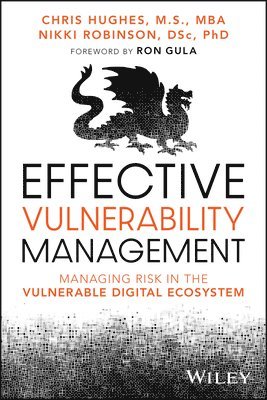
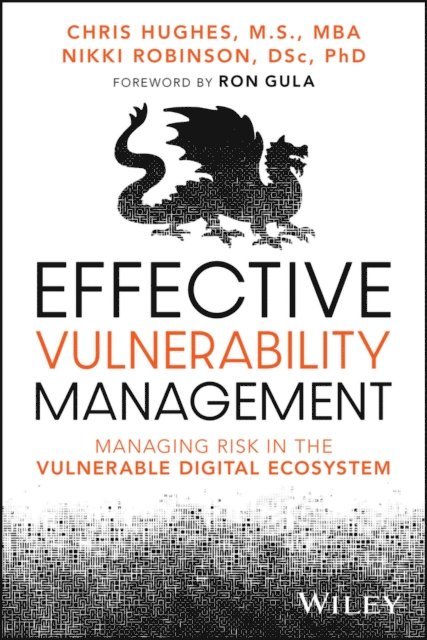
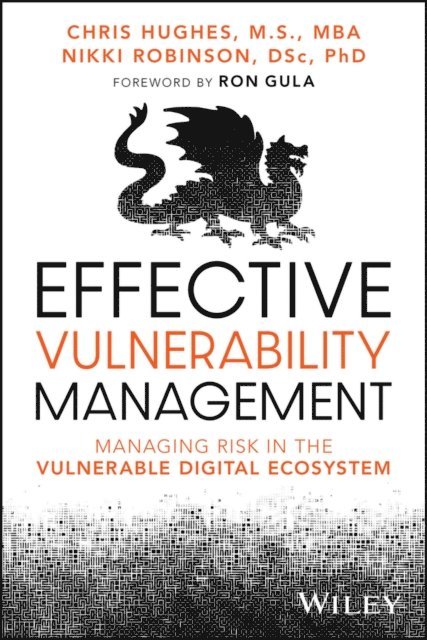
Effective Vulnerability Management
Managing Risk in the Vulnerable Digital Ecosystem
Häftad, Engelska, 2024
251 kr
Skickas inom 7-10 vardagar
Infuse efficiency into risk mitigation practices by optimizing resource use with the latest best practices in vulnerability management Organizations spend tremendous time and resources addressing vulnerabilities to their technology, software, and organizations. But are those time and resources well spent? Often, the answer is no, because we rely on outdated practices and inefficient, scattershot approaches. Effective Vulnerability Management takes a fresh look at a core component of cybersecurity, revealing the practices, processes, and tools that can enable today's organizations to mitigate risk efficiently and expediently in the era of Cloud, DevSecOps and Zero Trust. Every organization now relies on third-party software and services, ever-changing cloud technologies, and business practices that introduce tremendous potential for risk, requiring constant vigilance. It's more crucial than ever for organizations to successfully minimize the risk to the rest of the organization's success. This book describes the assessment, planning, monitoring, and resource allocation tasks each company must undertake for successful vulnerability management. And it enables readers to do away with unnecessary steps, streamlining the process of securing organizational data and operations. It also covers key emerging domains such as software supply chain security and human factors in cybersecurity. Learn the important difference between asset management, patch management, and vulnerability management and how they need to function cohesivelyBuild a real-time understanding of risk through secure configuration and continuous monitoringImplement best practices like vulnerability scoring, prioritization and design interactions to reduce risks from human psychology and behaviorsDiscover new types of attacks like vulnerability chaining, and find out how to secure your assets against themEffective Vulnerability Management is a new and essential volume for executives, risk program leaders, engineers, systems administrators, and anyone involved in managing systems and software in our modern digitally-driven society.
239 kr
Skickas inom 5-8 vardagar
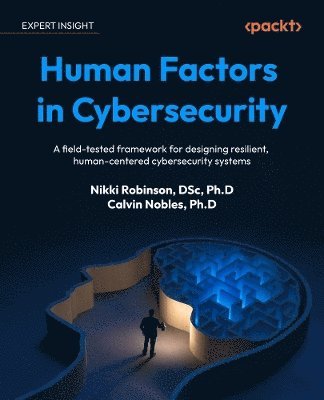
Human Factors in Cybersecurity
A field-tested framework for designing resilient, human-centered cybersecurity systems
Häftad, Engelska, 2026
733 kr
Skickas inom 5-8 vardagar
Design for resilience in a digital world and explore how integrating human factors into cybersecurity reduces errors, fortifies defenses, and aligns protection strategies with authentic human behavior. Key FeaturesOffers frameworks to reduce security fatigue, mitigate burnout, and manage mental workloads across cybersecurity teamsGet practical strategies for building security systems that align with human behaviors and limitationsBridges human factors engineering with modern cybersecurity challenges for actionable insightsBook DescriptionCybersecurity isn’t just a technical problem; it’s a human one. Human Factors in Cybersecurity equips you to tackle today’s digital threats by designing systems that respect how cybersecurity professionals actually think, behave, and make decisions. Despite billions spent on advanced technologies, human behavior remains cybersecurity’s greatest vulnerability. This book shows how to design defenses that work with people, not against them. Blending cybersecurity operations expertise with human factors science, it reveals that security failures are not inevitable. They’re design failures. Inside, you’ll learn how to shift from user-blaming policies to human-centered security engineering. Discover how to predict and influence user behavior, design controls that support cognitive realities, and embed human factors strategies at scale. Through actionable frameworks, real-world examples, and clear guidance, you will learn to reduce errors, build trust, and design systems resilient to human limitations.Authored by experts in cybersecurity, machine learning, and human factors engineering, this book delivers the interdisciplinary insight needed to lead the shift toward systems that are not only secure but genuinely usable. It transforms human factors from cybersecurity’s biggest blind spot into its most powerful driver of resilience.What you will learnAlign cybersecurity design with authentic human behaviors and cognitive patternsReduce user errors through actionable, human-centered design strategiesBuild trust by addressing cognitive and social user needsImprove incident response through human-aware operational methodsApply cyberpsychology principles to predict, influence, and secure user decisionsImplement Human Factors Engineering-as-a-Service (HFEaaS) for scalable, human-centric solutionsUse human factors analysis to uncover root causes of incidents and design out human errorWho this book is forThis book is for cybersecurity architects, SOC leaders, CISOs, researchers, and educators who know technical controls aren’t enough. If you're dealing with user errors, team burnout, or security fatigue, this book shows how to design human-aware systems that reduce failures and build resilience. Focused on practical frameworks, it helps professionals turn human vulnerabilities into strengths across security operations and architectures.