
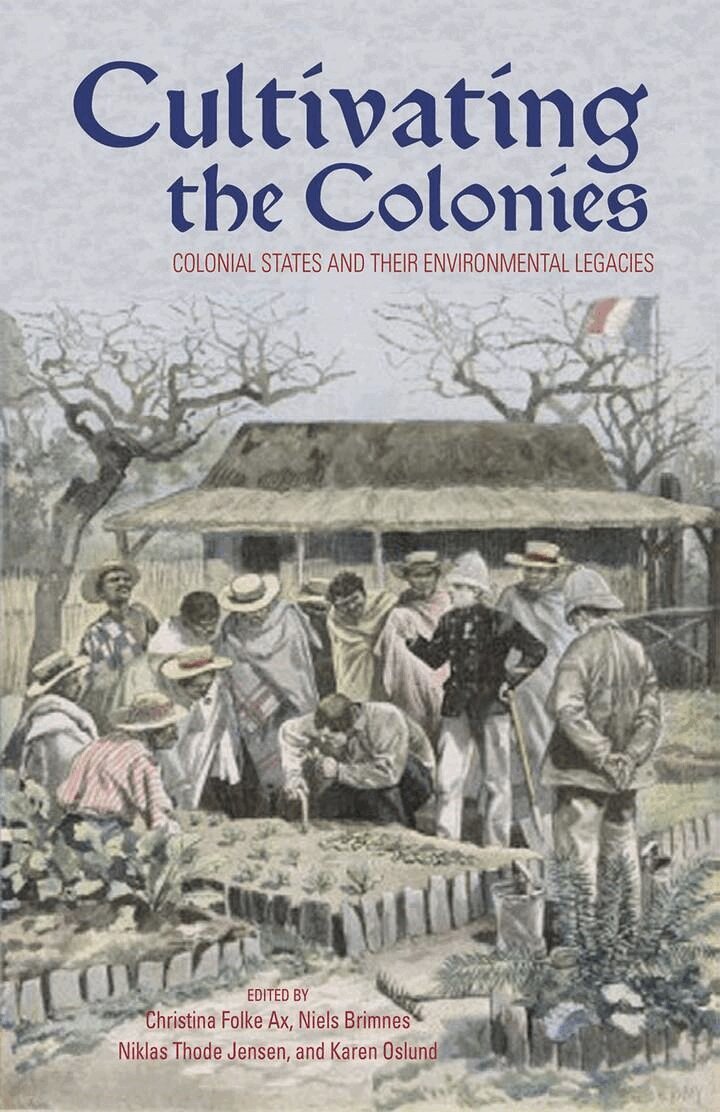
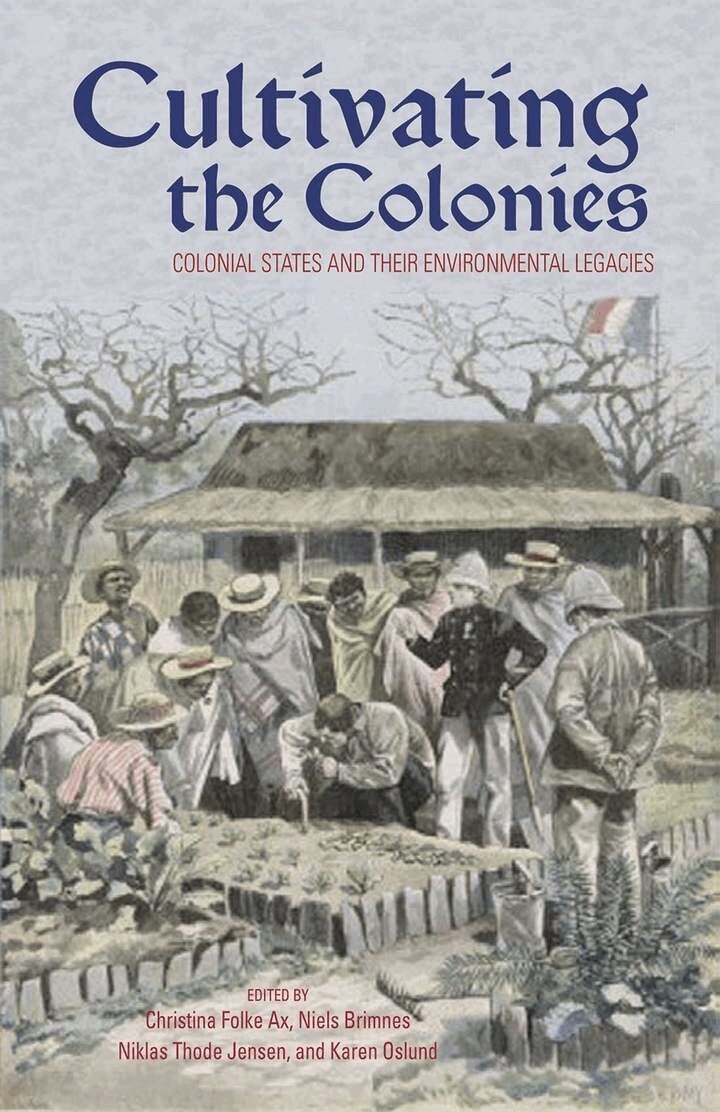
The essays collected in Cultivating the Colonies demonstrate how the relationship between colonial power and nature revealsthe nature of power. Each essay explores how colonial governments translated ideas about the management of exoticnature and foreign people into practice, and how they literally "got their hands dirty" in the business of empire.The eleven essays include studies of animal husbandry in the Philippines, farming in Indochina, and indigenous medicine in India. They are global in scope, ranging from the Russian North to Mozambique, examining the consequences of colonialismon nature, including its impact on animals, fisheries, farmlands, medical practices, and even the diets of indigenouspeople.Cultivating the Colonies establishes beyond all possible doubt the importance of the environment as a locus for studyingthe power of the colonial state.
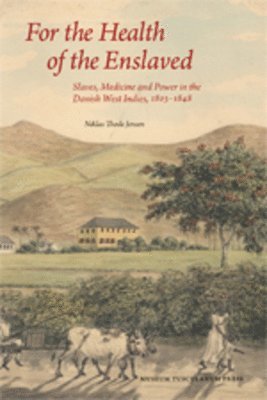
With the abolition of the Danish slave trade in the early nineteenth century, slave health had become a central concern in the Danish West Indies. Plantation owners and colonial administrators were no longer able to replace a population decimated by high mortality rates with slaves from Africa. On this background, the author offers a comprehensive look at the health conditions of the enslaved workers and the health care policies initiated by planters and the colonial government. The investigations reveal that in a comparative Caribbean perspective, Danish West Indian health policies were often quite unique and efficient, but also that the health of the enslaved fuelled an ongoing power struggle between planters, administrators, and the enslaved in the waning years of human bondage in the New World.
The essays collected in Cultivating the Colonies demonstrate how the relationship between colonial power and nature revealsthe nature of power. Each essay explores how colonial governments translated ideas about the management of exoticnature and foreign people into practice, and how they literally "got their hands dirty" in the business of empire.The eleven essays include studies of animal husbandry in the Philippines, farming in Indochina, and indigenous medicine in India. They are global in scope, ranging from the Russian North to Mozambique, examining the consequences of colonialismon nature, including its impact on animals, fisheries, farmlands, medical practices, and even the diets of indigenouspeople.Cultivating the Colonies establishes beyond all possible doubt the importance of the environment as a locus for studyingthe power of the colonial state.
With the abolition of the Danish slave trade in the early nineteenth century, slave health had become a central concern in the Danish West Indies. Plantation owners and colonial administrators were no longer able to replace a population decimated by high mortality rates with slaves from Africa. On this background, the author offers a comprehensive look at the health conditions of the enslaved workers and the health care policies initiated by planters and the colonial government. The investigations reveal that in a comparative Caribbean perspective, Danish West Indian health policies were often quite unique and efficient, but also that the health of the enslaved fuelled an ongoing power struggle between planters, administrators, and the enslaved in the waning years of human bondage in the New World.