Nilabja Ghosh – författare
Visar alla böcker från författaren Nilabja Ghosh. Handla med fri frakt och snabb leverans.
4 produkter
4 produkter
Häftad, Engelska, 2018
1 011 kr
Skickas inom 5-8 vardagar
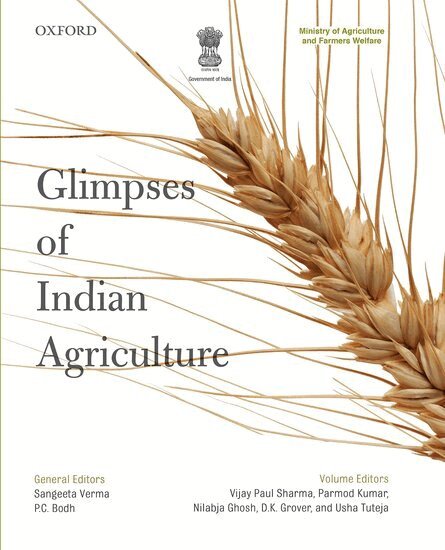
Agriculture and allied sectors, unquestionably, are considered to be the largest source of livelihood in India contributing largely to the GDP of the country. However, despite a significant increase in the production of food grains, the agriculture sector has been facing innumerable challenges primarily because of its dependency on natural resources, which have shrunk due to increasing demographic and socioeconomic pressures. This book, a study assigned by the Ministry of Agriculture, studies different facets of agriculture and allied sectors. It provides an overview of Indian agriculture, and presents an analysis of its performance over the years. Showcasing the issues faced in the development of agriculture, it captures the interventions and initiatives of the government for the development of Indian agriculture.
Inbunden, Engelska, 2013
1 092 kr
Skickas inom 10-15 vardagar
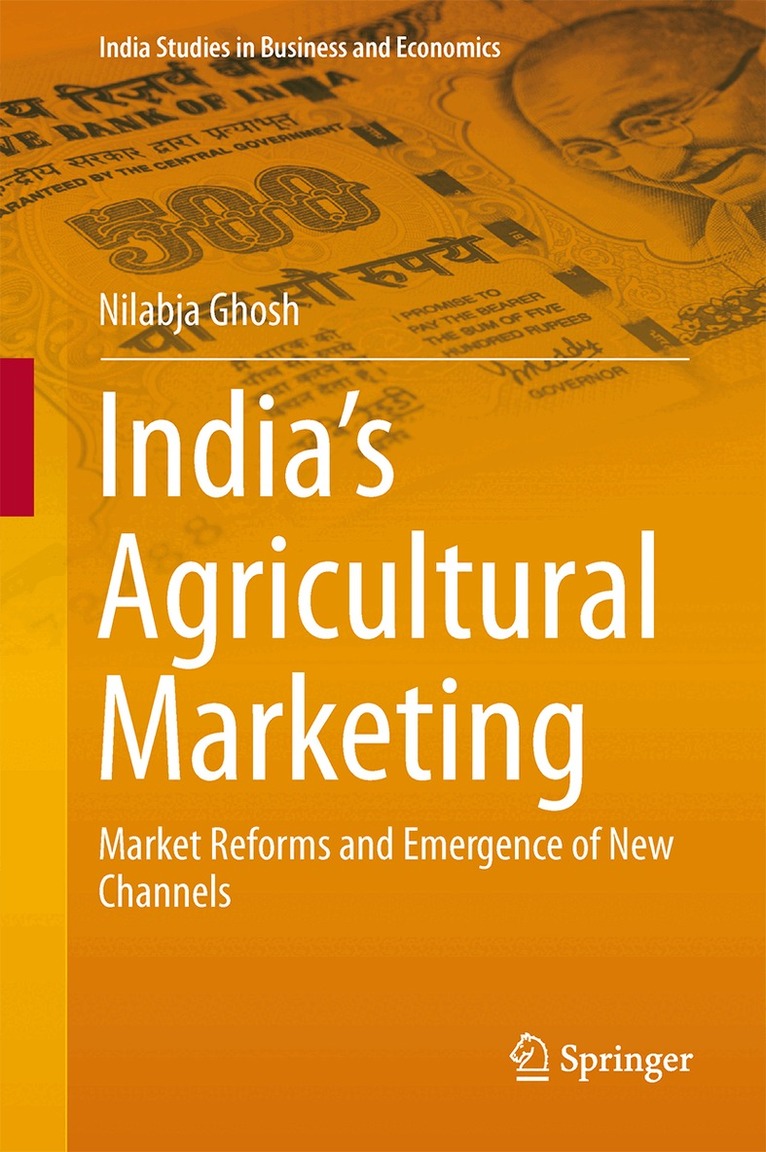
The proposed book provides an assessment of an important yet controversial policy initiated by the Indian government and governments of several other developing countries. Marketing reforms, it is claimed, can be a crucial answer to solving the problem of rural poverty in agrarian economies where large sections of populace are engaged in low paying agriculture. On a wider front, these reforms could help in providing growth impetus to an economy and even the global economy at large. Yet, the subject of liberalizing agricultural markets is also part of a broad and perhaps a bitter political debate between national and sub-national policy makers and academic discourses in India and other countries. A clearer understanding and a possible resolution of the issues involved will be decidedly useful. The experience of India, one of the largest and most agriculture-dominated economies, will undoubtedly provide valuable lessons not only for steering the domestic economic policy but also for other countries to set their own policy agenda. The book attempts to capture the evolving reality in a large and diverse country and presents an objective evaluation to enable aspiring investors and those in policy making, food business and civil society to make more informed assessment and decision.
E-bok
PDF, Engelska, 20131 367 kr
Läs direkt efter köp
The proposed book provides an assessment of an important yet controversial policy initiated by the Indian government and governments of several other developing countries. Marketing reforms, it is claimed, can be a crucial answer to solving the problem of rural poverty in agrarian economies where large sections of populace are engaged in low paying agriculture. On a wider front, these reforms could help in providing growth impetus to an economy and even the global economy at large. Yet, the subject of liberalizing agricultural markets is also part of a broad and perhaps a bitter political debate between national and sub-national policy makers and academic discourses in India and other countries. A clearer understanding and a possible resolution of the issues involved will be decidedly useful. The experience of India, one of the largest and most agriculture-dominated economies, will undoubtedly provide valuable lessons not only for steering the domestic economic policy but also for other countries to set their own policy agenda. The book attempts to capture the evolving reality in a large and diverse country and presents an objective evaluation to enable aspiring investors and those in policy making, food business and civil society to make more informed assessment and decision.
Häftad, Engelska, 2016
1 092 kr
Skickas inom 10-15 vardagar
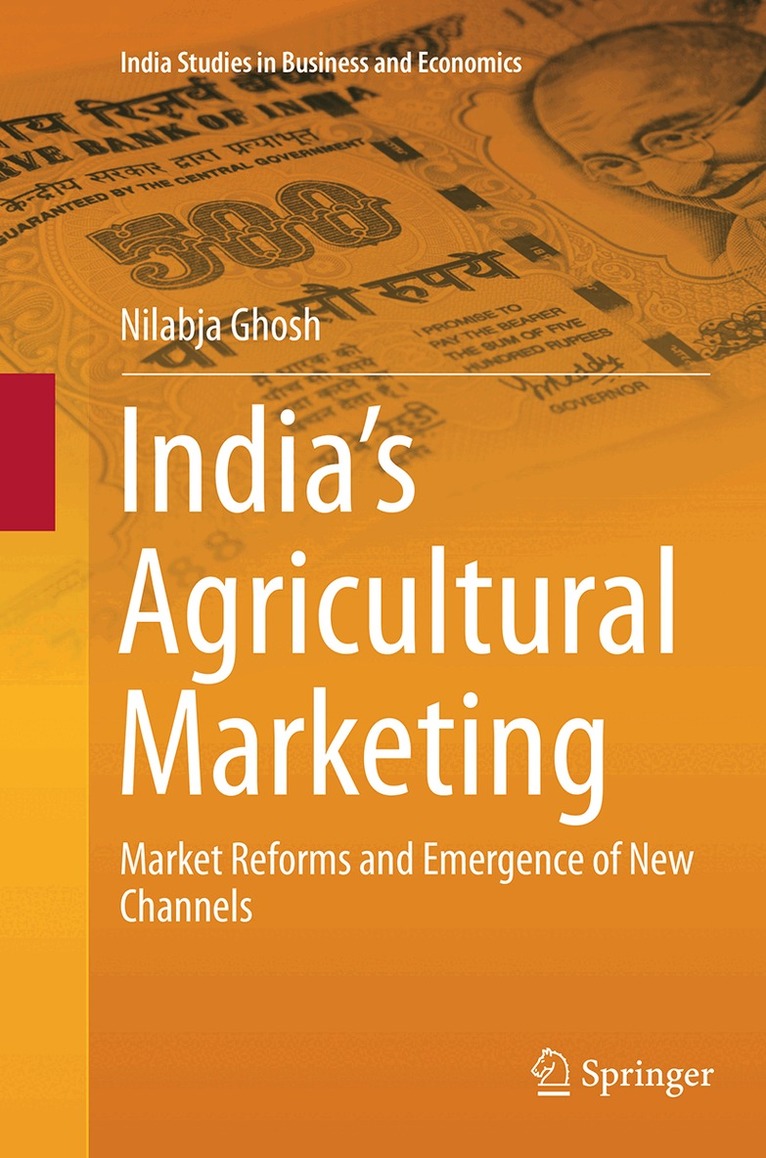
The proposed book provides an assessment of an important yet controversial policy initiated by the Indian government and governments of several other developing countries. Marketing reforms, it is claimed, can be a crucial answer to solving the problem of rural poverty in agrarian economies where large sections of populace are engaged in low paying agriculture. On a wider front, these reforms could help in providing growth impetus to an economy and even the global economy at large. Yet, the subject of liberalizing agricultural markets is also part of a broad and perhaps a bitter political debate between national and sub-national policy makers and academic discourses in India and other countries. A clearer understanding and a possible resolution of the issues involved will be decidedly useful. The experience of India, one of the largest and most agriculture-dominated economies, will undoubtedly provide valuable lessons not only for steering the domestic economic policy but also for other countries to set their own policy agenda. The book attempts to capture the evolving reality in a large and diverse country and presents an objective evaluation to enable aspiring investors and those in policy making, food business and civil society to make more informed assessment and decision.