Nina Kossman – författare
Visar alla böcker från författaren Nina Kossman. Handla med fri frakt och snabb leverans.
11 produkter
11 produkter
E-bok
Engelska, 2001422 kr
Läs direkt efter köp
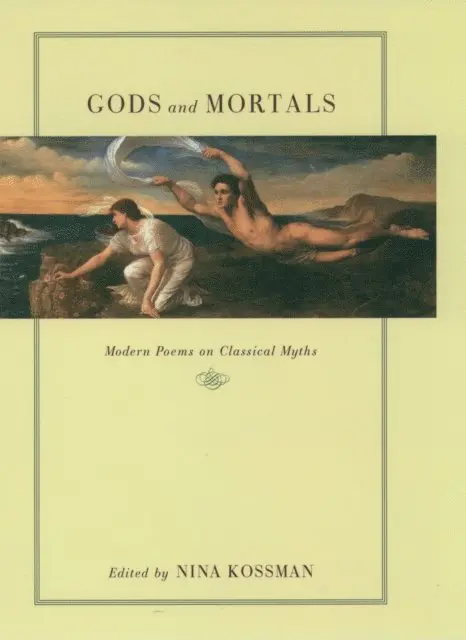
For centuries, poets have looked into the mirror of classical myth to show us the many ways our emotional lives are still reflected in the ancient stories of heroism, hubris, transformation, and loss that myths so eloquently tell. Now, in Gods and Mortals: Modern Poems on Classical Myths, we have the first anthology to gather the great 20th century myth-inspired poems from around the world. "Perhaps it is because the myths echo the structure of our unconscious that every new generation of poets finds them a source of inspiration and self-recognition," says Nina Kossman in her introduction to this marvelous collection. Indeed, from Valery, Yeats, Lawrence, Rilke, Akhmatova, and Auden writing in the first half of the century to such contemporary poets as Lucille Clifton, Derek Walcott, Rita Dove, Wislawa Szymborska, and Mark Strand, the material of Greek myth has elicited a poetry of remarkably high achievement. And by organizing the poems first into broad categories such as "Heroes," "Lovers," "Trespassers," and secondly around particular mythological figures such as Persephone, Orpheus, or Narcissus, readers are treated to a fascinating spectrum of poems on the same subject. For example, the section on Odysseus includes poems by Cavafy, W. S. Merwin, Gregory Corso, Gabriel Zaid, Louise Gluck, Wallace Stevens, and many others. Thus we are allowed to see the familiar Greek hero refracted through the eyes, and sharply varying stylistic approaches, of a wide range of poets from around the world. Here, then, is a collection of extraordinary poems that testifies to--and amply rewards--our ongoing fascination with classical myth.
Inbunden, Engelska, 2001
403 kr
Skickas inom 5-8 vardagar
More than perhaps any other folkloric tradition, whether oral or written, the myths of classical Greece and Rome have survived and pervaded the consciousness of lands far-flung from their source. The mythic world of the ancients, peopled by glamorous gods and unstoppable heroes, in which the mortal and immortal commingled, is even now a living presence in 21st century culture, rather than a literary relic. Whether we know them by their Roman or their Greek names - Artemis or Minerva, Poseidon or Neptune - the figures of these ancietn myths captured the imagination of culture after culture across the globe, inspiring writers, artists, musicians and those of us who comprise the audience for their works. Can it be a coincidence that the greatest poets of the western world have each at one point tried their hand at retellings?Kossman's anthology assembles some of the best of these poems inspired by ancient myths, organizing them by themse, and allowing the reader to compare one against the other - for example, one section assembels poems telling the stories of mythic lovers (Cupid and Psyche, Orpheus and Eurydice); another the many tales of miraculous transformations (Pygmalion and Galatea, Echo and Narcissus). With such a wide variety of the world's best poets to choose from - from all over the world and from any era since classical times - Kossman has had no difficulty creating a literary pantheon; included are D. H. Lawrence, Derek Walcott, Rita Dove, Denise Levertov, Rilke, Pound, and Yeats. The collection should be a treasure for the innumerable debotees of both myth and poetry.
E-bok
PDF, Engelska, 2001479 kr
Läs direkt efter köp
For centuries, poets have looked into the mirror of classical myth to show us the many ways our emotional lives are still reflected in the ancient stories of heroism, hubris, transformation, and loss that myths so eloquently tell. Now, in Gods and Mortals: Modern Poems on Classical Myths, we have the first anthology to gather the great 20th century myth-inspired poems from around the world. "Perhaps it is because the myths echo the structure of our unconscious that every new generation of poets finds them a source of inspiration and self-recognition," says Nina Kossman in her introduction to this marvelous collection. Indeed, from Valery, Yeats, Lawrence, Rilke, Akhmatova, and Auden writing in the first half of the century to such contemporary poets as Lucille Clifton, Derek Walcott, Rita Dove, Wislawa Szymborska, and Mark Strand, the material of Greek myth has elicited a poetry of remarkably high achievement. And by organizing the poems first into broad categories such as "Heroes," "Lovers," "Trespassers," and secondly around particular mythological figures such as Persephone, Orpheus, or Narcissus, readers are treated to a fascinating spectrum of poems on the same subject. For example, the section on Odysseus includes poems by Cavafy, W. S. Merwin, Gregory Corso, Gabriel Zaid, Louise Gluck, Wallace Stevens, and many others. Thus we are allowed to see the familiar Greek hero refracted through the eyes, and sharply varying stylistic approaches, of a wide range of poets from around the world. Here, then, is a collection of extraordinary poems that testifies to--and amply rewards--our ongoing fascination with classical myth.
Inbunden, Engelska, 1989
549 kr
Skickas inom 10-15 vardagar
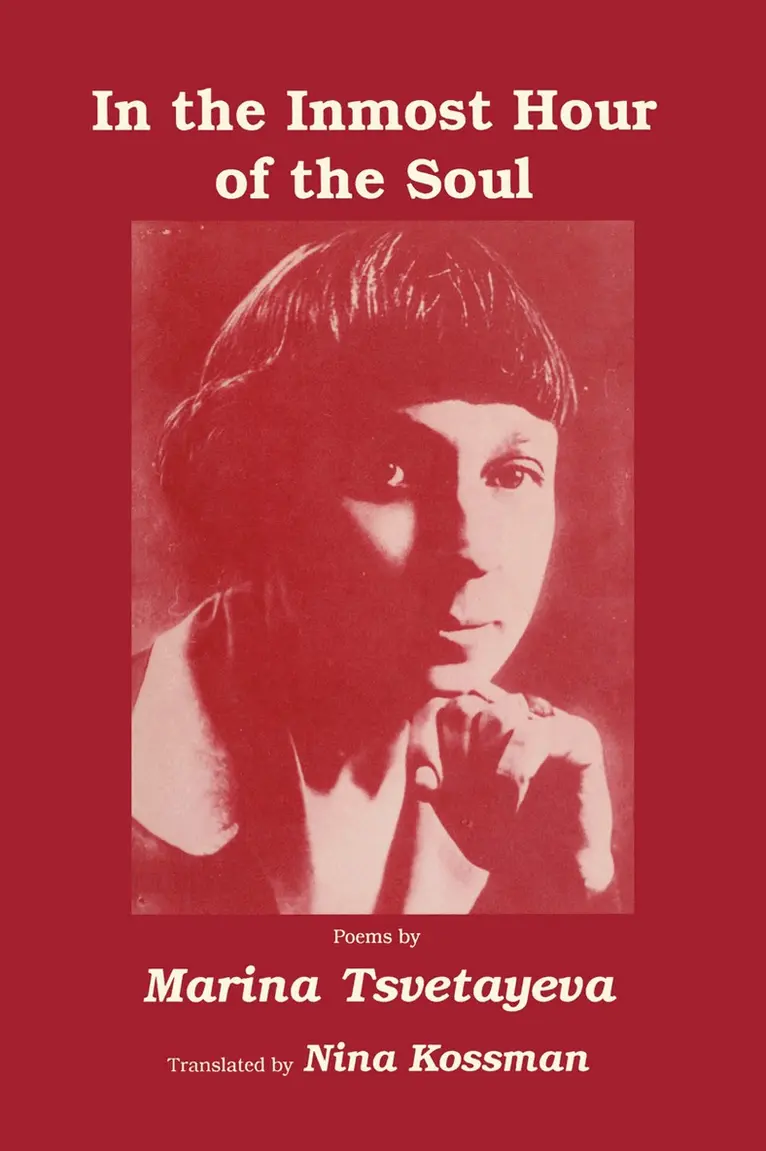
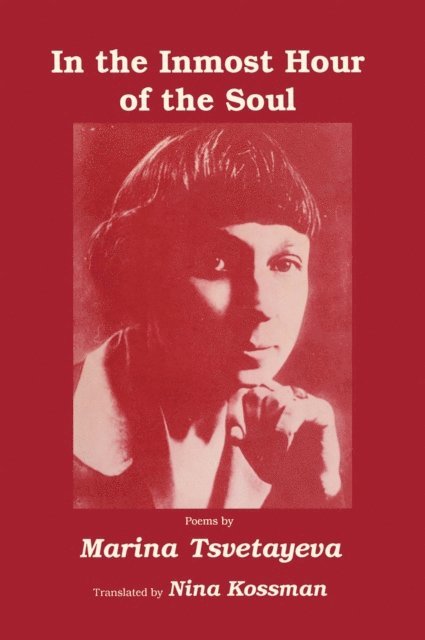
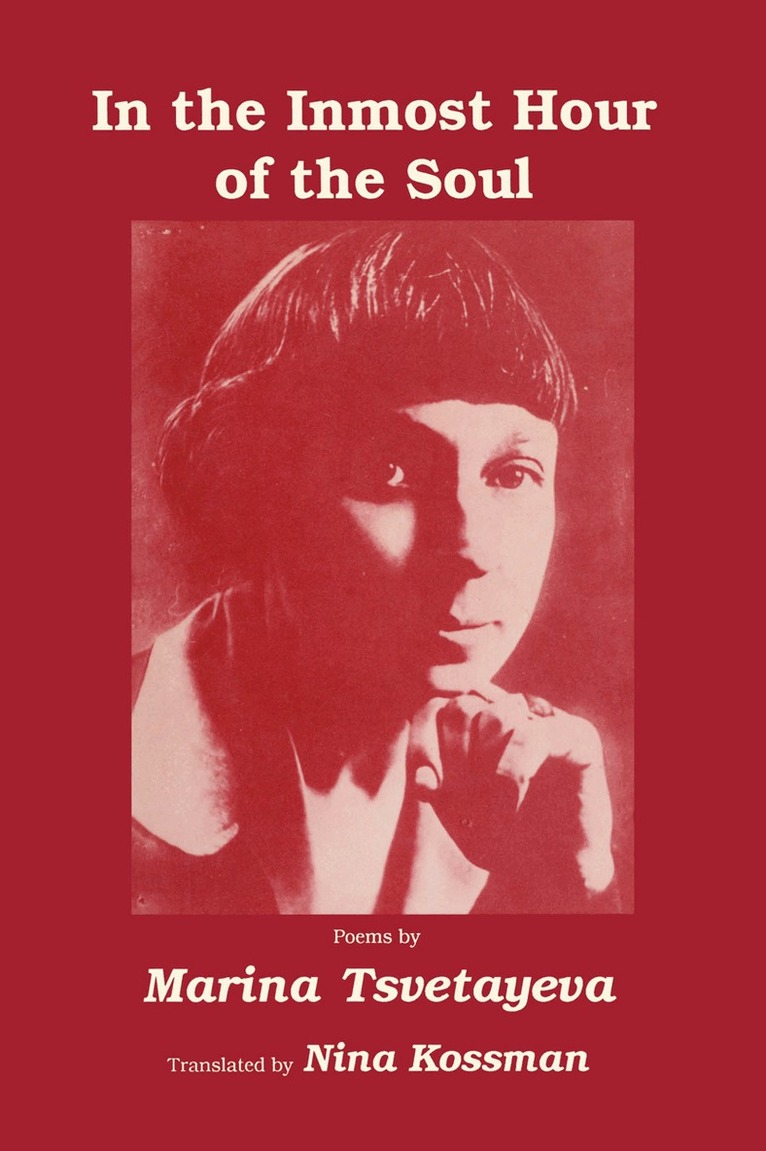
" .. .1 have no love for life as such; for me it begins to have significance, i.e., to acquire meaning and weight, only when it is transformed, i.e., in art. If I were taken beyond the sea into paradise-and forbidden to write, I would refuse the sea and paradise. I don't need life as a thing in itself." This, written by Tsvetayeva in a letter to her Czech friend, Teskova, in 1925, could stand as an inscription to her life. Marina Tsvetayeva was born in Moscow on September 26, 1892. Her fathel~ a well-known art historian and philolo gist, founded the Moscow Museum of the Fine Arts, now known as the Pushkin Museum; her mother, a pianist, died young, in 1906. Marina began writing poetry at the age of six. Her first book, Evening Album, contained poems she had writ ten before she turned seventeen, and enjoyed reviews by the poet, painter, and mentor of young writers, Max Voloshin, the poet Gumilyov, and the Symbolist critic and poet, Valerii Bryusov. Voloshin and Gumilyov welcomed the seventeen year-old poet as their equal; Bryusov was more critical of her, though he too, in his own belligerent way, acknowledged her talent.
Häftad, Engelska, 2020
205 kr
Skickas inom 5-8 vardagar
E-bok
PDF, Engelska, 2012708 kr
Läs direkt efter köp
" .. .1 have no love for life as such; for me it begins to have significance, i.e., to acquire meaning and weight, only when it is transformed, i.e., in art. If I were taken beyond the sea into paradise-and forbidden to write, I would refuse the sea and paradise. I don''t need life as a thing in itself." This, written by Tsvetayeva in a letter to her Czech friend, Teskova, in 1925, could stand as an inscription to her life. Marina Tsvetayeva was born in Moscow on September 26, 1892. Her fathel~ a well-known art historian and philolo gist, founded the Moscow Museum of the Fine Arts, now known as the Pushkin Museum; her mother, a pianist, died young, in 1906. Marina began writing poetry at the age of six. Her first book, Evening Album, contained poems she had writ ten before she turned seventeen, and enjoyed reviews by the poet, painter, and mentor of young writers, Max Voloshin, the poet Gumilyov, and the Symbolist critic and poet, Valerii Bryusov. Voloshin and Gumilyov welcomed the seventeen year-old poet as their equal; Bryusov was more critical of her, though he too, in his own belligerent way, acknowledged her talent.
Häftad, Engelska, 2011
565 kr
Skickas inom 10-15 vardagar
" .. .1 have no love for life as such; for me it begins to have significance, i.e., to acquire meaning and weight, only when it is transformed, i.e., in art. If I were taken beyond the sea into paradise-and forbidden to write, I would refuse the sea and paradise. I don't need life as a thing in itself." This, written by Tsvetayeva in a letter to her Czech friend, Teskova, in 1925, could stand as an inscription to her life. Marina Tsvetayeva was born in Moscow on September 26, 1892. Her fathel~ a well-known art historian and philolo gist, founded the Moscow Museum of the Fine Arts, now known as the Pushkin Museum; her mother, a pianist, died young, in 1906. Marina began writing poetry at the age of six. Her first book, Evening Album, contained poems she had writ ten before she turned seventeen, and enjoyed reviews by the poet, painter, and mentor of young writers, Max Voloshin, the poet Gumilyov, and the Symbolist critic and poet, Valerii Bryusov. Voloshin and Gumilyov welcomed the seventeen year-old poet as their equal; Bryusov was more critical of her, though he too, in his own belligerent way, acknowledged her talent.
Häftad, Engelska, 2025
232 kr
Skickas inom 5-8 vardagar
Häftad, Engelska, 2026
217 kr
Kommande
Häftad, Engelska, 2025
102 kr
Skickas inom 5-8 vardagar
Inbunden, Engelska, 2026
271 kr
Skickas inom 5-8 vardagar