Nina L. Molinaro – författare
Visar alla böcker från författaren Nina L. Molinaro. Handla med fri frakt och snabb leverans.
4 produkter
4 produkter
727 kr
Skickas inom 10-15 vardagar
Alicia Giménez Bartlett’s popular crime series, written in Spanish and organized around the exploits of Police Inspector Petra Delicado and Deputy Inspector Fermin Garzon, is arguably the most successful detective series published in Spain during the previous three decades. Nina L. Molinaro examines the tensions between the rhetoric of gender differences espoused by the woman detective and the orthodox ideology of the police procedural. She argues that even as the series incorporates gender differences into the crime series formula, it does so in order to correct women, naturalize men’s authority, sanction social hierarchies, and assuage collective anxieties. As Molinaro shows, with the exception of the protagonist, the women characters require constant surveillance and modification, often as a result of men’s supposedly intrinsic protectiveness or excessive sexuality. Men, by contrast, circulate more freely in the fictional world and are intrinsic to the political, psychological, and economic prosperity of their communities. Molinaro situates her discussion in Petra Delicado’s contemporary Spain of dog owners, ¡Hola!, Russian cults, and gated communities.

2 430 kr
Skickas inom 10-15 vardagar
Alicia Giménez Bartlett’s popular crime series, written in Spanish and organized around the exploits of Police Inspector Petra Delicado and Deputy Inspector Fermin Garzon, is arguably the most successful detective series published in Spain during the previous three decades. Nina L. Molinaro examines the tensions between the rhetoric of gender differences espoused by the woman detective and the orthodox ideology of the police procedural. She argues that even as the series incorporates gender differences into the crime series formula, it does so in order to correct women, naturalize men’s authority, sanction social hierarchies, and assuage collective anxieties. As Molinaro shows, with the exception of the protagonist, the women characters require constant surveillance and modification, often as a result of men’s supposedly intrinsic protectiveness or excessive sexuality. Men, by contrast, circulate more freely in the fictional world and are intrinsic to the political, psychological, and economic prosperity of their communities. Molinaro situates her discussion in Petra Delicado’s contemporary Spain of dog owners, ¡Hola!, Russian cults, and gated communities.

289 kr
Skickas
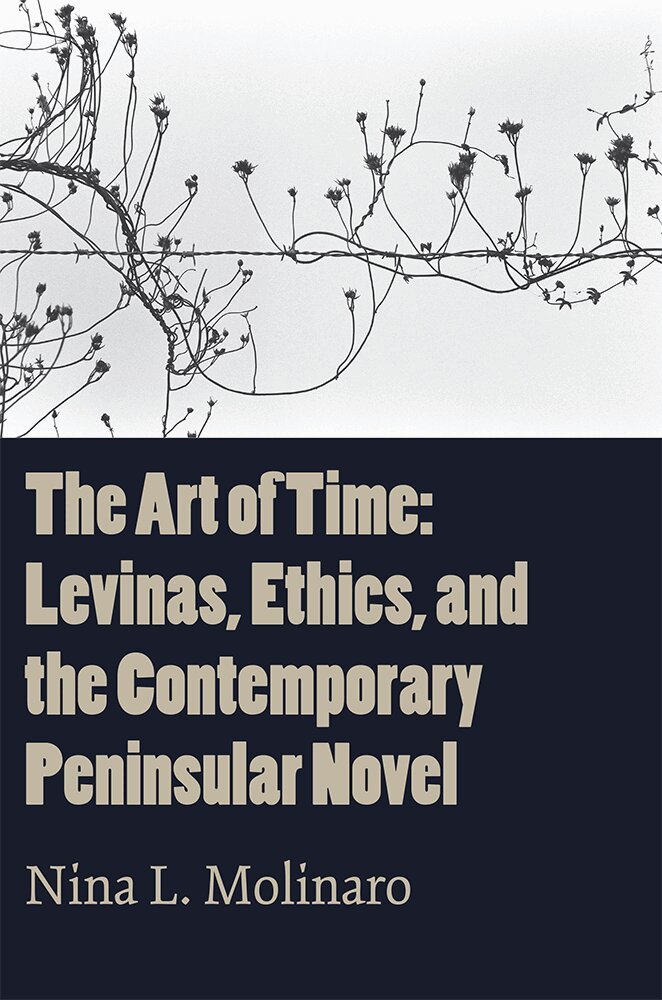
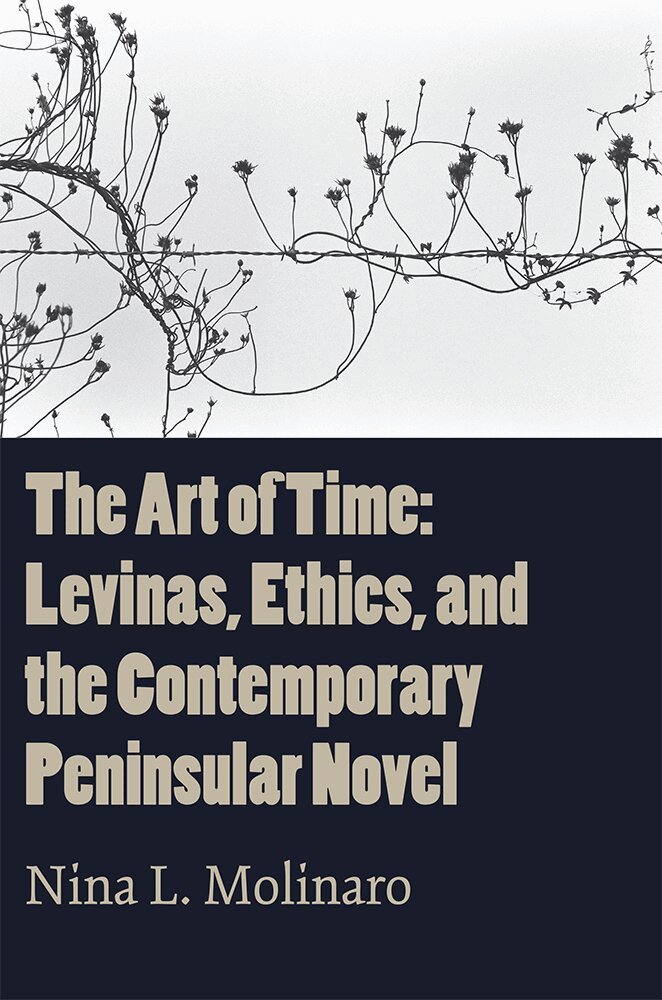
Ethics, or the systematized set of inquiries and responses to the question "what should I do?" has infused the history of human narrative for more than two centuries. One of the foremost theorists of ethics during the twentieth century, Emmanuel Levinas (1906-1995) radicalized the discipline of philosophy by arguing that "the ethical" is the foundational moment for human subjectivity, and that human subjectivity underlies all of Western philosophy. Levinas's voice is crucial to the resurging global attention to ethics because he grapples with the quintessential problem of alterity or "otherness," which he conceptualizes as the articulation of, and prior responsibility to, difference in relation to the competing movement toward sameness. Academicians and journalists in Spain and abroad have recently fastened on an emerging cluster of peninsular writers who, they argue, pertain to a discernible literary generation, provisionally referred to as Generación X. These writers are distinct from their predecessors; they and their literary texts are closely related to the specific socio-political and historical circumstances in Spain and their novels relate stories of more and less proximity, more and less responsibility, and more and less temporality. In short, they trace the temporal movement of alterity through narrative. Published by Bucknell University Press. Distributed worldwide by Rutgers University Press.
1 251 kr
Skickas inom 7-10 vardagar
Ethics, or the systematized set of inquiries and responses to the question "what should I do?" has infused the history of human narrative for more than two centuries. One of the foremost theorists of ethics during the twentieth century, Emmanuel Levinas (1906-1995) radicalized the discipline of philosophy by arguing that "the ethical" is the foundational moment for human subjectivity, and that human subjectivity underlies all of Western philosophy. Levinas's voice is crucial to the resurging global attention to ethics because he grapples with the quintessential problem of alterity or "otherness," which he conceptualizes as the articulation of, and prior responsibility to, difference in relation to the competing movement toward sameness. Academicians and journalists in Spain and abroad have recently fastened on an emerging cluster of peninsular writers who, they argue, pertain to a discernible literary generation, provisionally referred to as Generación X. These writers are distinct from their predecessors; they and their literary texts are closely related to the specific socio-political and historical circumstances in Spain and their novels relate stories of more and less proximity, more and less responsibility, and more and less temporality. In short, they trace the temporal movement of alterity through narrative. Published by Bucknell University Press. Distributed worldwide by Rutgers University Press.