
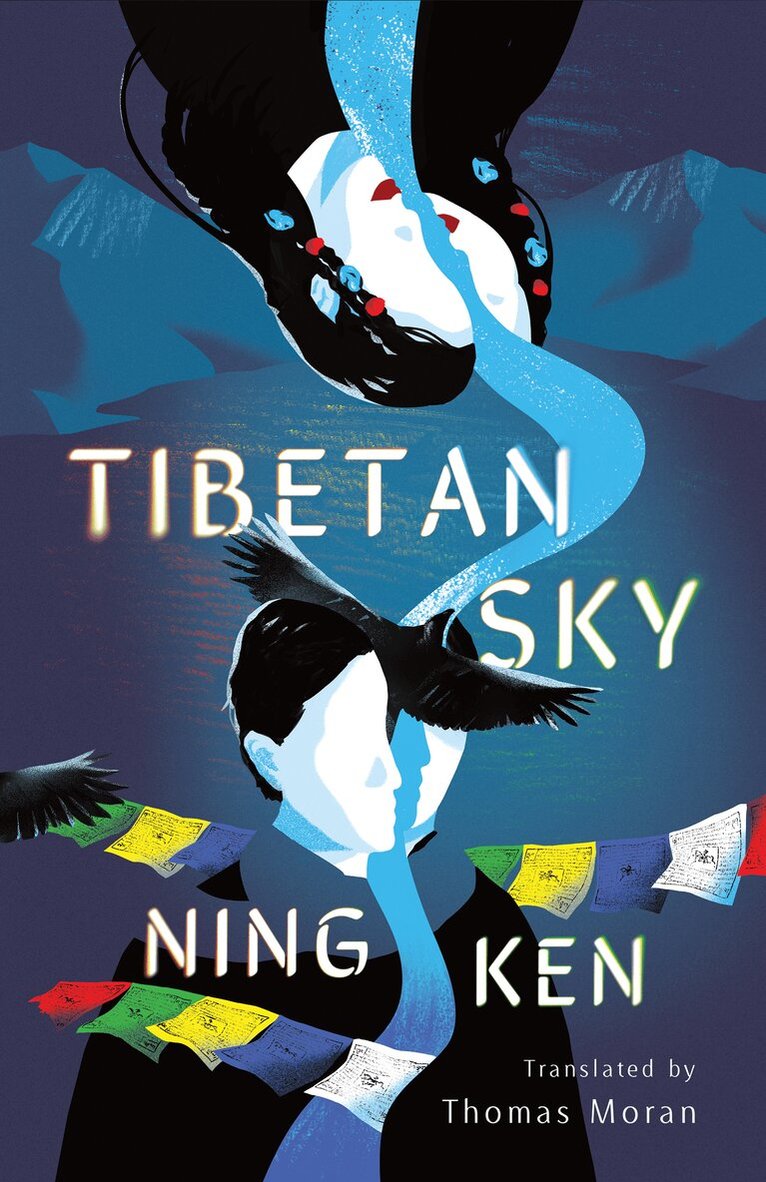
Wang Mojie’s dreams wilted in the Beijing heat. Leaving his failed marriage behind, he seeks meaning in Lhasa. Instead, he finds Ukyi Lhamo. The soul of every party, her studied Parisian charms hide an inner rootlessness as she searches for her grandmother, the key to her lost Tibetan heritage.Crossing paths among a gathering of self-exiled intellectuals living among the cool mountains, the two find themselves on the sidelines of a fierce philosophical debate. However, as Wang Mojie’s masochistic fantasies resurface, can they cling to what they mutually lack? Or was it never possible to make peace with zero?
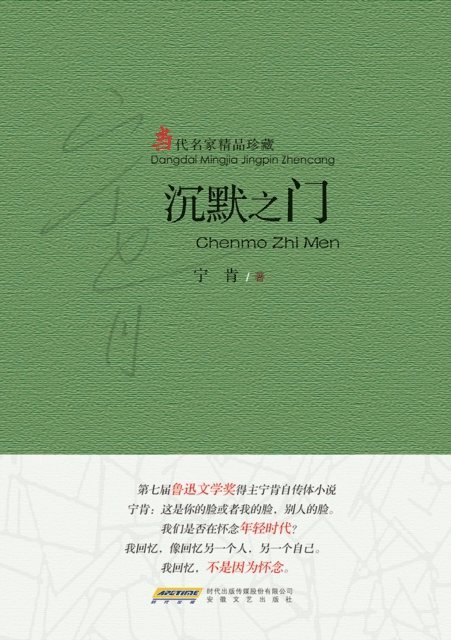
The Gate of Silence is an autobiographical novel by the vice-chairman of the Beijing Writers Association and the winner of the Lu Prize, Ning Ken. The novel uses the first person as the main point of view, and uses flashback writing to tell the reasons for the formation of the cowardly character of the protagonist Li Man, and traces back to his experience of meeting a life mentor by chance when he was thirteen years old and growing up slowly under his guidance. It comprehensively reproduces the protagonist's transformation from a young man to a vicissitudes of life, and consciously completes the transformation from a square-type intellectual to a civilian post-type intellectual.
Wang Mojie’s dreams wilted in the Beijing heat. Leaving his failed marriage behind, he seeks meaning in Lhasa. Instead, he finds Ukyi Lhamo. The soul of every party, her studied Parisian charms hide an inner rootlessness as she searches for her grandmother, the key to her lost Tibetan heritage.Crossing paths among a gathering of self-exiled intellectuals living among the cool mountains, the two find themselves on the sidelines of a fierce philosophical debate. However, as Wang Mojie’s masochistic fantasies resurface, can they cling to what they mutually lack? Or was it never possible to make peace with zero?
The Gate of Silence is an autobiographical novel by the vice-chairman of the Beijing Writers Association and the winner of the Lu Prize, Ning Ken. The novel uses the first person as the main point of view, and uses flashback writing to tell the reasons for the formation of the cowardly character of the protagonist Li Man, and traces back to his experience of meeting a life mentor by chance when he was thirteen years old and growing up slowly under his guidance. It comprehensively reproduces the protagonist's transformation from a young man to a vicissitudes of life, and consciously completes the transformation from a square-type intellectual to a civilian post-type intellectual.