Nino Žganec - Böcker
Visar alla böcker från författaren Nino Žganec. Handla med fri frakt och snabb leverans.
4 produkter
4 produkter
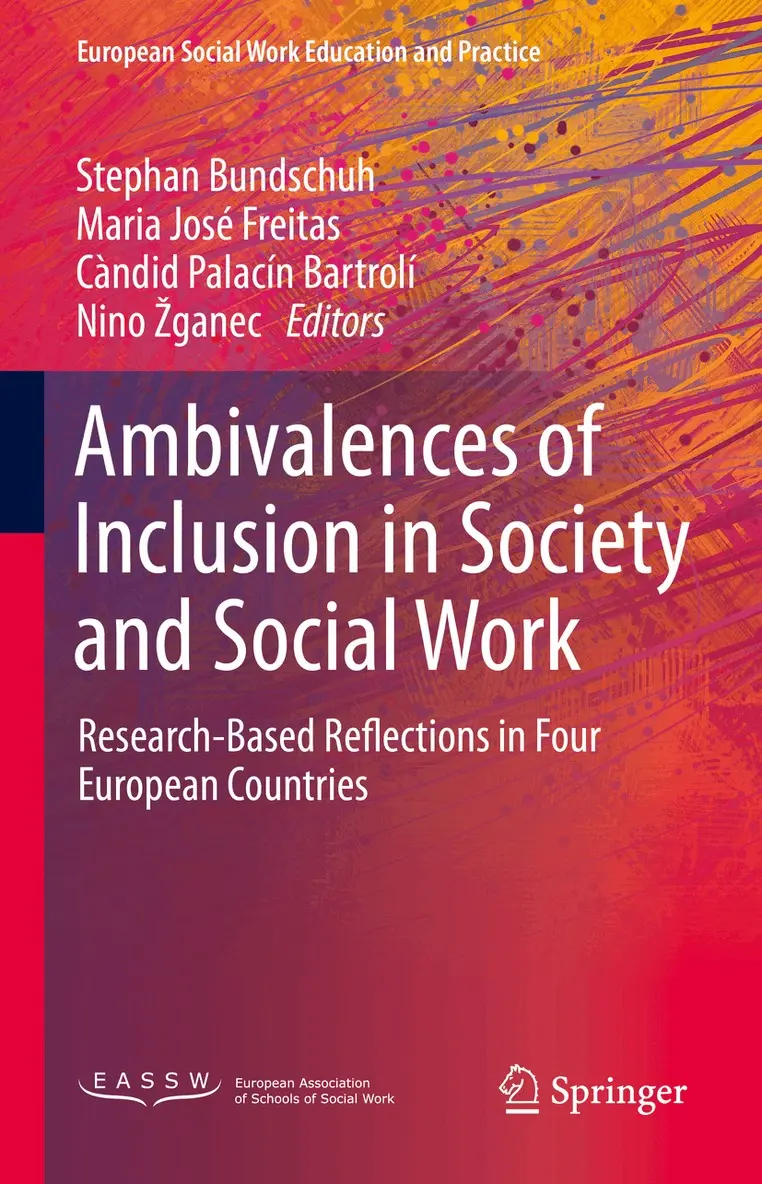
Ambivalences of Inclusion in Society and Social Work
Research-Based Reflections in Four European Countries
Inbunden, Engelska, 2020
534 kr
Skickas inom 10-15 vardagar
This book represents the work of the European Research Network: Inclusive Society and the Role of Social Work, which comprises researchers from Barcelona, Spain; Koblenz, Germany; Maastricht, The Netherlands; and Zagreb, Croatia. The authors present research results and reflections from these four different European countries to provide a comprehensive introduction and discussion of the ambivalences of inclusive processes in society and social work.The development towards an inclusive society is a subject of ongoing discussion in Europe. How the subject is addressed, through an examination of political and social characteristics, differs significantly by country. Each country-specific chapter includes evidence-based reflections on inclusive society and the role of social work:In The Netherlands, there is evidence of a top-down process implementing inclusive social policy and social work principles through the self-proclaimed ‘participationsociety’.In Spain, the process to inclusion is accompanied by the third sector often replacing governmental responsibilities, namely through the bottom-up activities of non-governmental organizations in social work.In Croatia, inclusion is a state initiative in transitioning society and an academic approach to deinstitutionalising social work.In Germany, inclusion is discussed in social systems theory and the reform of school systems. In the migration discourse it was introduced as a less-loaded alternative to integration.Ambivalences of Inclusion in Society and Social Work: Research-Based Reflections in Four European Countries is a useful resource for learners, teachers, practitioners, and researchers in social work, as well as those who have an interest in social policy, social welfare, and sociology.
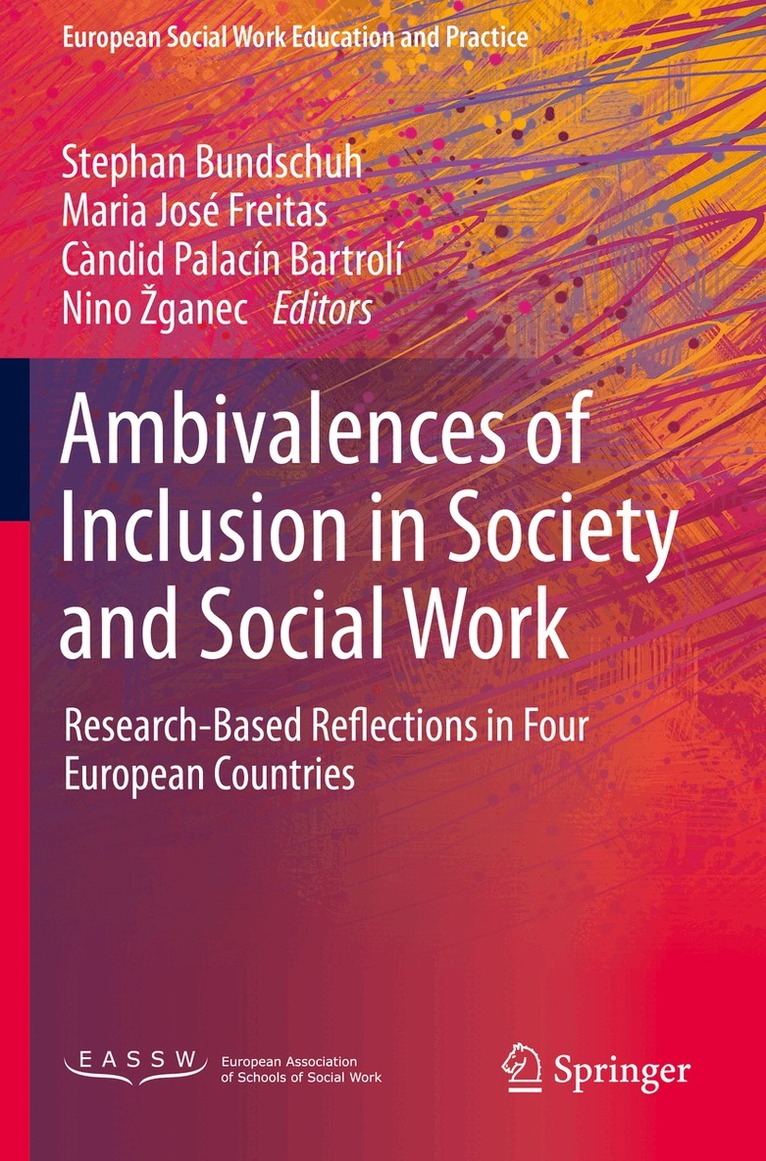
Ambivalences of Inclusion in Society and Social Work
Research-Based Reflections in Four European Countries
Häftad, Engelska, 2021
534 kr
Skickas inom 10-15 vardagar
This book represents the work of the European Research Network: Inclusive Society and the Role of Social Work, which comprises researchers from Barcelona, Spain; Koblenz, Germany; Maastricht, The Netherlands; and Zagreb, Croatia. The authors present research results and reflections from these four different European countries to provide a comprehensive introduction and discussion of the ambivalences of inclusive processes in society and social work.The development towards an inclusive society is a subject of ongoing discussion in Europe. How the subject is addressed, through an examination of political and social characteristics, differs significantly by country. Each country-specific chapter includes evidence-based reflections on inclusive society and the role of social work:In The Netherlands, there is evidence of a top-down process implementing inclusive social policy and social work principles through the self-proclaimed ‘participationsociety’.In Spain, the process to inclusion is accompanied by the third sector often replacing governmental responsibilities, namely through the bottom-up activities of non-governmental organizations in social work.In Croatia, inclusion is a state initiative in transitioning society and an academic approach to deinstitutionalising social work.In Germany, inclusion is discussed in social systems theory and the reform of school systems. In the migration discourse it was introduced as a less-loaded alternative to integration.Ambivalences of Inclusion in Society and Social Work: Research-Based Reflections in Four European Countries is a useful resource for learners, teachers, practitioners, and researchers in social work, as well as those who have an interest in social policy, social welfare, and sociology.
1 134 kr
Skickas inom 10-15 vardagar
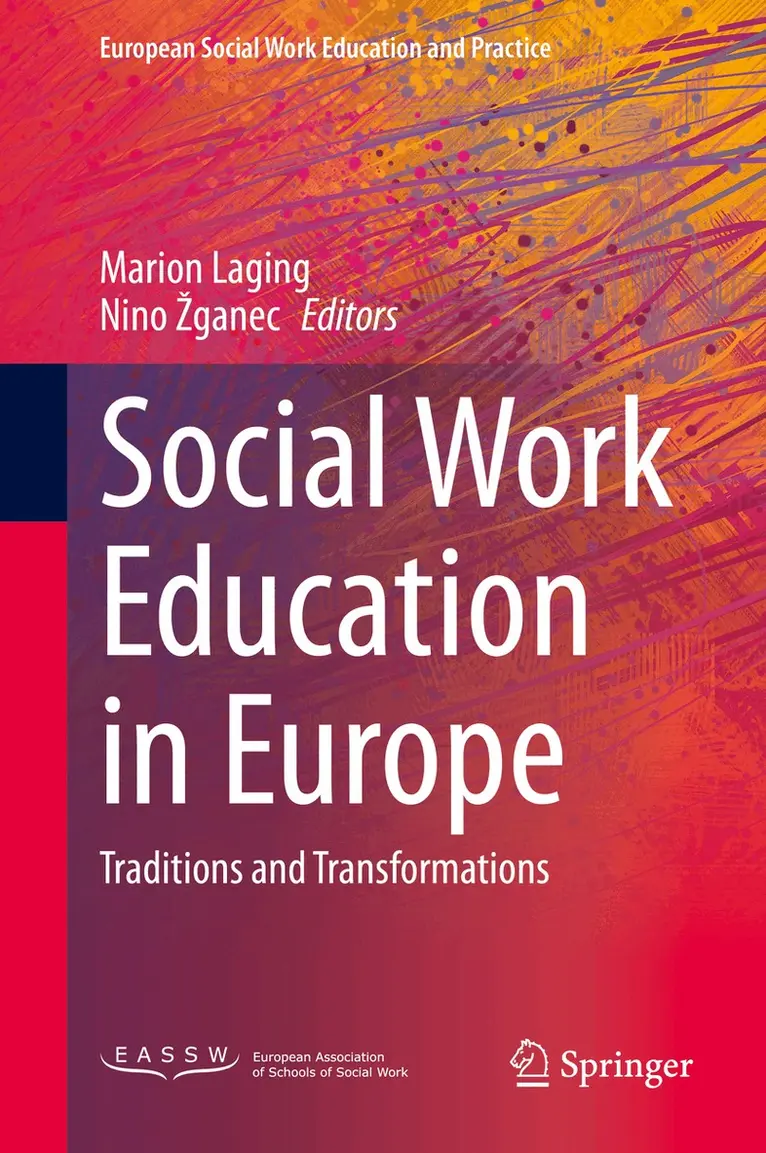
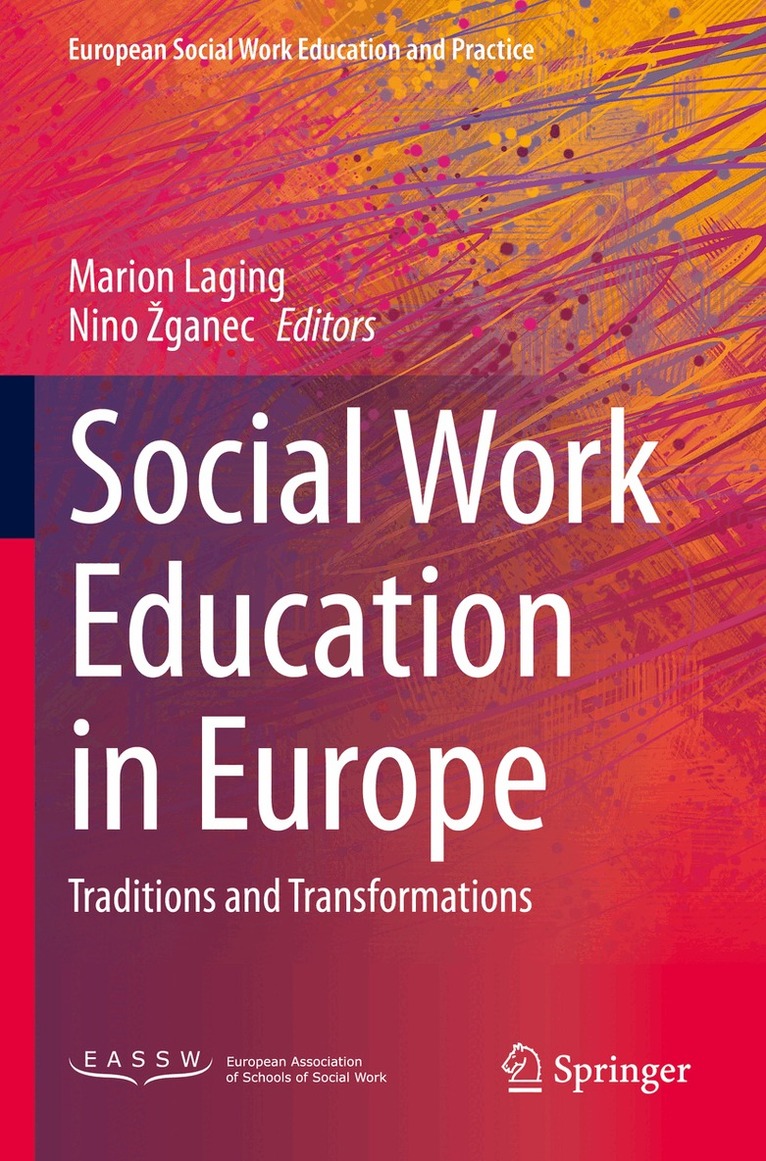
This contributed volume provides an in-depth overview of current social and socio-political transformations in Europe and their effects on social work and its educational structures. It elucidates these transformations and structures at the individual level of ten different countries and goes on to elaborate a European perspective in this field. Readers gain insight into the variety in social work and its educational structures in Europe and, at the same time, readers receive starting points for the exchange of ideas, collaboration and further development in the individual countries and in Europe. The introduction outlines the current developments and challenges facing social work education in Europe, contextualizing the topics to be covered in the volume. Each chapter offers an individual country profile of social work, including an analysis of typical examples of different traditions of educational models for social work that, collectively, provideinsight into an overall "European model of education for social work". The countries selected represent all parts of Europe:FinlandLatviaGermanyUnited KingdomThe NetherlandsFranceItalyCroatiaRomaniaCyprusEuropean Social Work Education: Traditions and Transformations is an essential resource – an up‐to‐date and differentiated inventory of social work education in Europe from a horizontal and vertical perspective – which describes fields of work and approaches that prepare students to practice social work, examines the degree of academization of the discipline and investigates its structures and conditions. Social workers and social work educators, researchers and practitioners will find this an engaging and useful text.
879 kr
Skickas inom 10-15 vardagar
This contributed volume provides an in-depth overview of current social and socio-political transformations in Europe and their effects on social work and its educational structures. It elucidates these transformations and structures at the individual level of ten different countries and goes on to elaborate a European perspective in this field. Readers gain insight into the variety in social work and its educational structures in Europe and, at the same time, readers receive starting points for the exchange of ideas, collaboration and further development in the individual countries and in Europe. The introduction outlines the current developments and challenges facing social work education in Europe, contextualizing the topics to be covered in the volume. Each chapter offers an individual country profile of social work, including an analysis of typical examples of different traditions of educational models for social work that, collectively, provideinsight into an overall "European model of education for social work". The countries selected represent all parts of Europe:FinlandLatviaGermanyUnited KingdomThe NetherlandsFranceItalyCroatiaRomaniaCyprusEuropean Social Work Education: Traditions and Transformations is an essential resource – an up‐to‐date and differentiated inventory of social work education in Europe from a horizontal and vertical perspective – which describes fields of work and approaches that prepare students to practice social work, examines the degree of academization of the discipline and investigates its structures and conditions. Social workers and social work educators, researchers and practitioners will find this an engaging and useful text.