N.M. Van Straalen – författare
Visar alla böcker från författaren N.M. Van Straalen. Handla med fri frakt och snabb leverans.
5 produkter
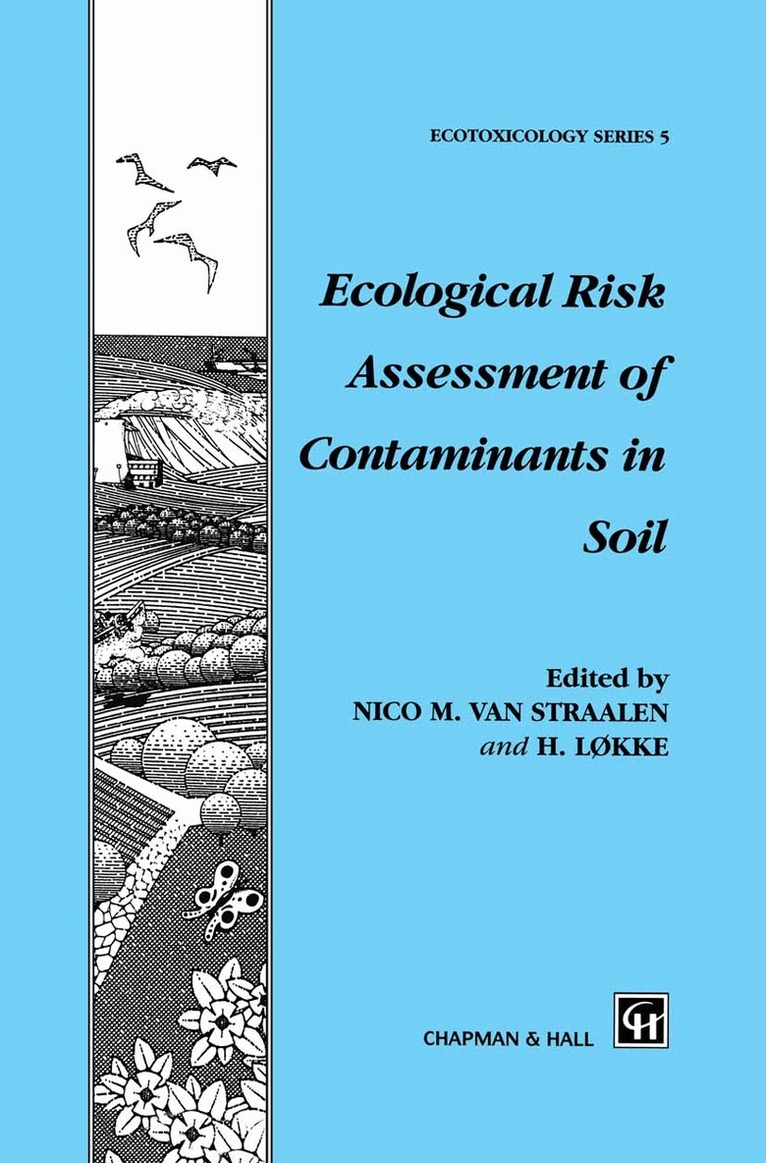
Ecological Risk Assessment of Contaminants in Soil
Av N.M. Van Straalen, Hans Løkke
Inbunden, 1997
1643 kr
Lägg i varukorg
Many industrialized and developing countries are faced with the assessment of potential risks associated with contaminated land. A variety of human activities have left their impacts on soils in the form of elevated and locally high concentrations of potential toxicants. In several cases sources …
Bioindicator Systems for Soil Pollution
Av N.M. Van Straalen, Dmitri A. Krivolutsky
Inbunden, 1996
1643 kr
Lägg i varukorg
N.M. V AN STRAALEN** and D.A. KRIVOLUTSKY* **Department of Ecology and Ecotoxicology VrUe Universiteit, De Boelelaan 1087, 1081 HV Amsterdam, The Netherlands *Institute of Evolutionary Animal Morphology and Ecology Russian Academy of Sciences, Leninsky Prospekt 33 117071 Moscow, Russian Federation …
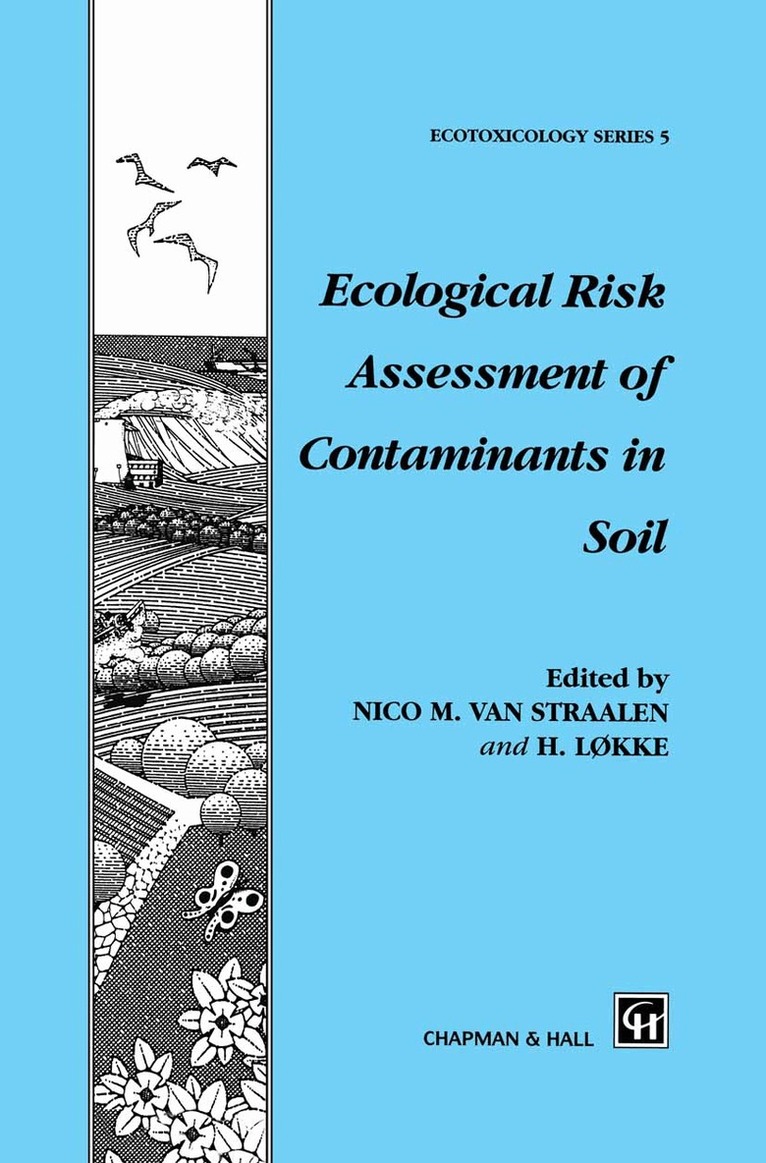
Ecological Risk Assessment of Contaminants in Soil
Av N.M. Van Straalen, Hans Løkke
Häftad, 2012
1643 kr
Lägg i varukorg
Many industrialized and developing countries are faced with the assessment of potential risks associated with contaminated land. A variety of human activities have left their impacts on soils in the form of elevated and locally high concentrations of potential toxicants. In several cases sources …
Ecological Risk Assessment of Contaminants in Soil
Av Hans Lokke, N.M. Van Straalen
E-bok, 2012
2111 kr
Lägg i varukorg
Many industrialized and developing countries are faced with the assessment of potential risks associated with contaminated land. A variety of human activities have left their impacts on soils in the form of elevated and locally high concentrations of potential toxicants. In several cases sources …
Bioindicator Systems for Soil Pollution
Av N.M. Van Straalen, Dmitri A. Krivolutsky
Häftad, 2012
1643 kr
Lägg i varukorg
N.M. V AN STRAALEN** and D.A. KRIVOLUTSKY* **Department of Ecology and Ecotoxicology VrUe Universiteit, De Boelelaan 1087, 1081 HV Amsterdam, The Netherlands *Institute of Evolutionary Animal Morphology and Ecology Russian Academy of Sciences, Leninsky Prospekt 33 117071 Moscow, Russian Federation …