Nobuhiro Kaneko – författare
Visar alla böcker från författaren . Handla med fri frakt och snabb leverans.
4 produkter
4 produkter
Häftad, Engelska, 2014
544 kr
Skickas inom 10-15 vardagar
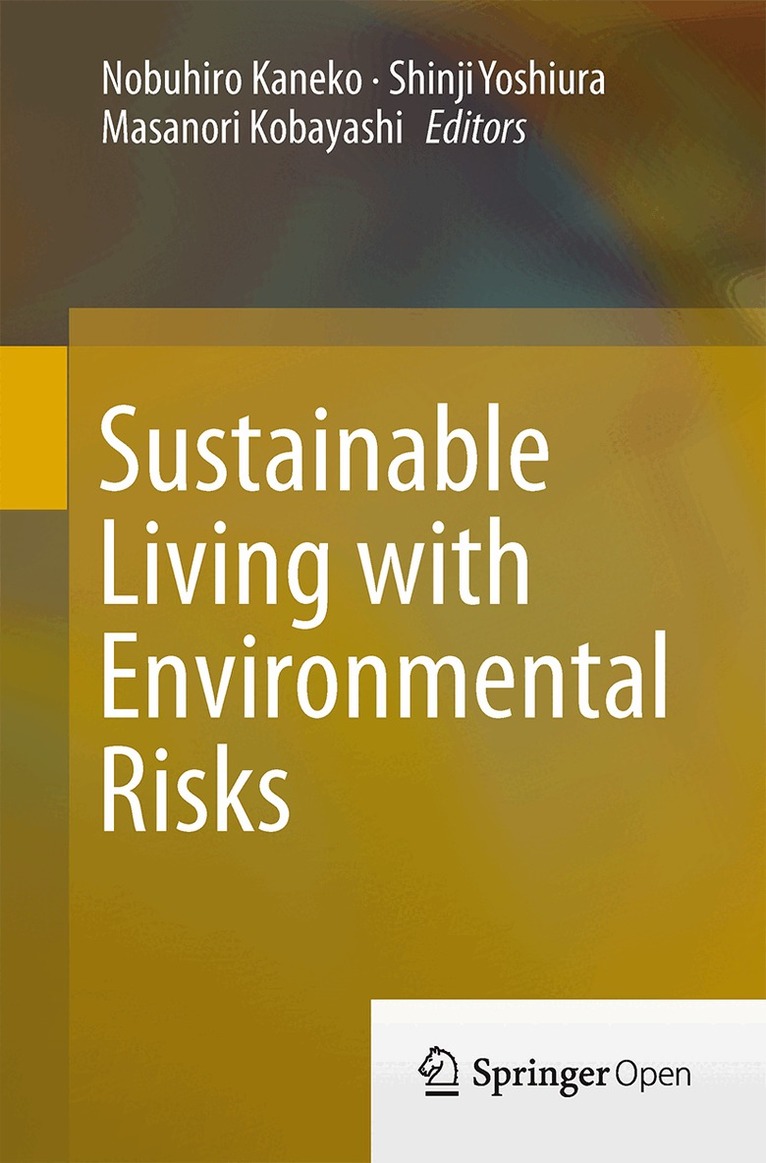
We are not free from environmental risks that accompany the development of human societies. Modern economic development has accelerated environmental pollution, caused loss of natural habitats, and modified landscapes. These environmental changes have impacted natural systems: water and heat circulation, nutrient cycling, and biodiversity. These changes in natural systems degrade ecosystem services and subsequently increase environmental risks for humans. Environmental risks, therefore, are not only human health risks by pollution, climatic anomalies and natural disasters, but also degradation of ecosystem services on which most people are relying for their lives. We cannot entirely eliminate the risks, because it is not possible to attain zero impact on the environment, but we need to find a mechanism that minimizes environmental risks for human sustainably. This is the idea of the interdisciplinary framework of “environmental risk management” theory, which advocates harmony between economic development and environmental conservation. Based on this theory, the Sustainable Living with Environmental Risk (SLER) programme, adopted by the Japanese Ministry of Education (MEXT) as one of its strategic programmes, has been training graduate students at the Yokohama National University, Japan, from 2009 to 2013 to become future environmental leaders who will take the initiative in reducing the level of environmental risks and in protecting natural resources in the developing nations of Asia and Africa. This book provides students and teachers of this new academic field with a comprehensive coverage of case studies of environmental risks and their practical management technologies not only in Japan but also in developing nations in Asia and Africa.
Inbunden, Engelska, 2019
1 618 kr
Skickas inom 10-15 vardagar
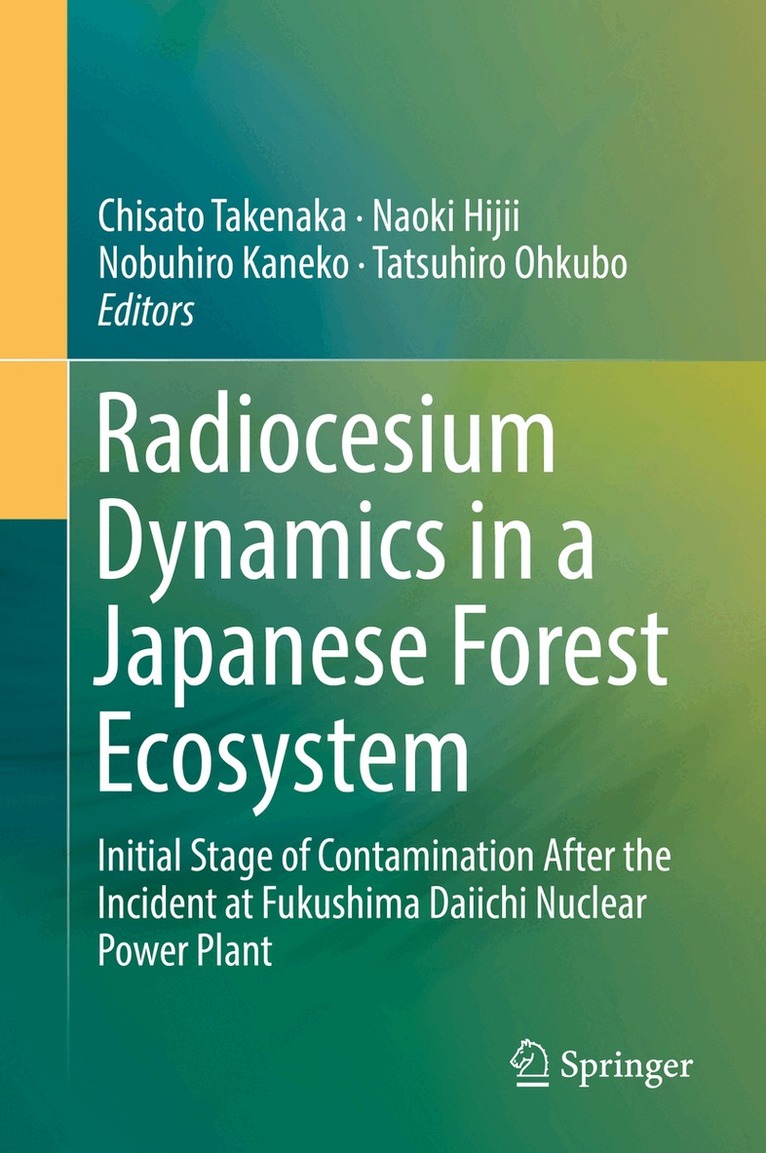
This book investigates radiocesium movement in all major components of forest ecosystems, e.g. the plants, animals, insects, microorganisms, and soils, during the initial stage of contamination after the incident at Fukushima Daiichi Nuclear Power Plant. Most of the work was conducted at a common research site.More specifically, the book examines the contribution of surface uptake by trees in the dynamics of radiocesium during the initial contamination stage; the movement of radiocesium in the form of small organic fragments that are essential to the radiocesium dynamics in forest ecosystems; and the upward movement of radiocesium due to microorganism activity, which promotes the effective decontamination of the forest floor. Lastly, it explains why spiders could be a valuable indicator of the contamination level in forest ecosystems.
E-bok
Engelska, 20191 995 kr
Läs direkt efter köp
This book investigates radiocesium movement in all major components of forest ecosystems, e.g. the plants, animals, insects, microorganisms, and soils, during the initial stage of contamination after the incident at Fukushima Daiichi Nuclear Power Plant. Most of the work was conducted at a common research site.More specifically, the book examines the contribution of surface uptake by trees in the dynamics of radiocesium during the initial contamination stage; the movement of radiocesium in the form of small organic fragments that are essential to the radiocesium dynamics in forest ecosystems; and the upward movement of radiocesium due to microorganism activity, which promotes the effective decontamination of the forest floor. Lastly, it explains why spiders could be a valuable indicator of the contamination level in forest ecosystems.
Häftad, Engelska, 2020
1 618 kr
Skickas inom 10-15 vardagar
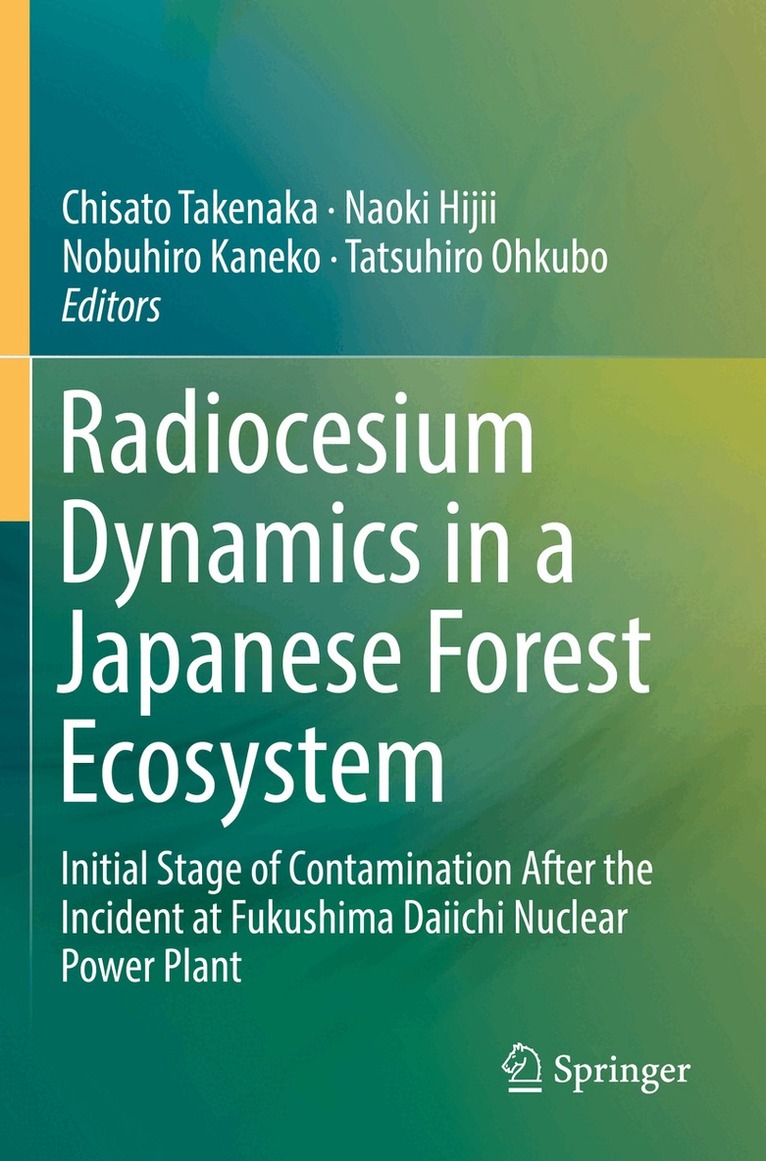
This book investigates radiocesium movement in all major components of forest ecosystems, e.g. the plants, animals, insects, microorganisms, and soils, during the initial stage of contamination after the incident at Fukushima Daiichi Nuclear Power Plant. Most of the work was conducted at a common research site.More specifically, the book examines the contribution of surface uptake by trees in the dynamics of radiocesium during the initial contamination stage; the movement of radiocesium in the form of small organic fragments that are essential to the radiocesium dynamics in forest ecosystems; and the upward movement of radiocesium due to microorganism activity, which promotes the effective decontamination of the forest floor. Lastly, it explains why spiders could be a valuable indicator of the contamination level in forest ecosystems.