Noel Russell – författare
Visar alla böcker från författaren Noel Russell. Handla med fri frakt och snabb leverans.
5 produkter
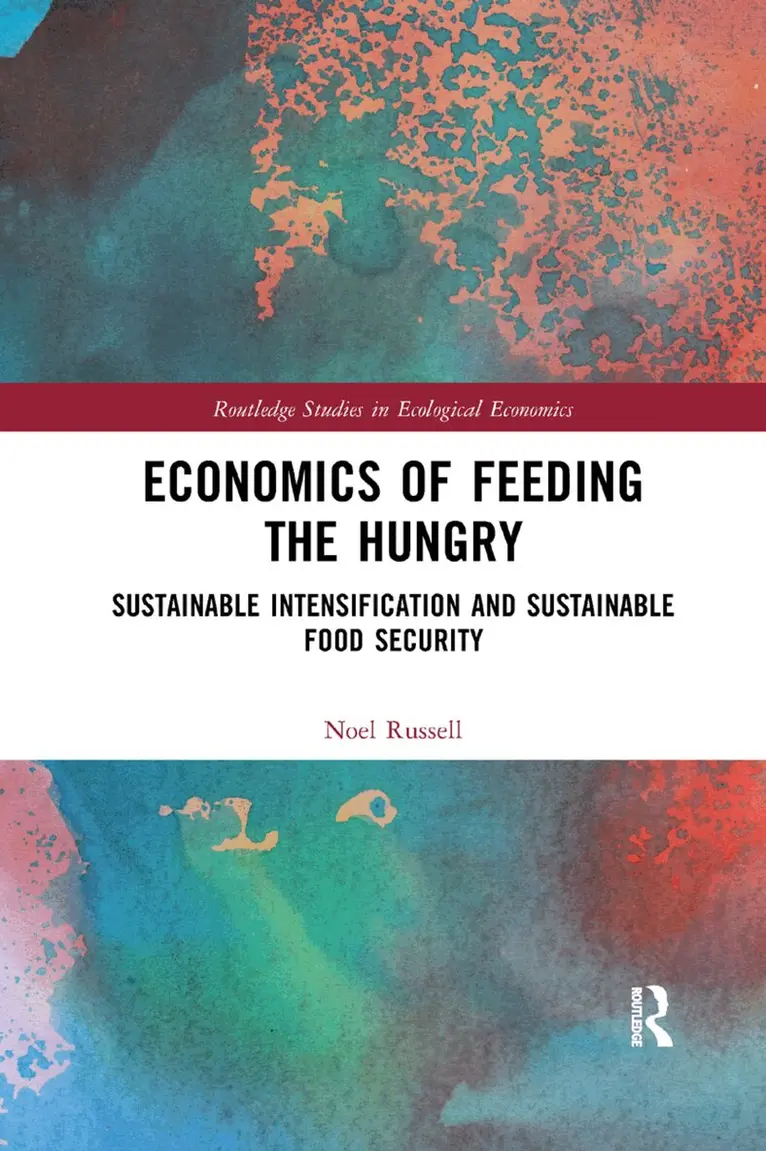
Economics of Feeding the Hungry
Sustainable Intensification and Sustainable Food Security
Av Noel Russell
Häftad, 2019
637 kr
Lägg i varukorg
As productivity expands to cater for population increase and shifting diets, many individuals remain hungry, whilst others suffer obesity, and significant amounts of food are wasted. Yet, this triple dilemma oversimplifies the underlying complexity. This book explores this complexity from an …
Economics of Feeding the Hungry
Sustainable Intensification and Sustainable Food Security
Av Noel Russell
Inbunden, 2017
2585 kr
Lägg i varukorg
As productivity expands to cater for population increase and shifting diets, many individuals remain hungry, whilst others suffer obesity, and significant amounts of food are wasted. Yet, this triple dilemma oversimplifies the underlying complexity. This book explores this complexity from an …
Economics of Feeding the Hungry
Sustainable Intensification and Sustainable Food Security
Av Noel Russell
E-bok, 2017
749 kr
Lägg i varukorg
As productivity expands to cater for population increase and shifting diets, many individuals remain hungry, whilst others suffer obesity, and significant amounts of food are wasted. Yet, this triple dilemma oversimplifies the underlying complexity. This book explores this complexity from an …
Economics of Feeding the Hungry
Sustainable Intensification and Sustainable Food Security
Av Noel Russell
E-bok, 2017
749 kr
Lägg i varukorg
As productivity expands to cater for population increase and shifting diets, many individuals remain hungry, whilst others suffer obesity, and significant amounts of food are wasted. Yet, this triple dilemma oversimplifies the underlying complexity. This book explores this complexity from an …
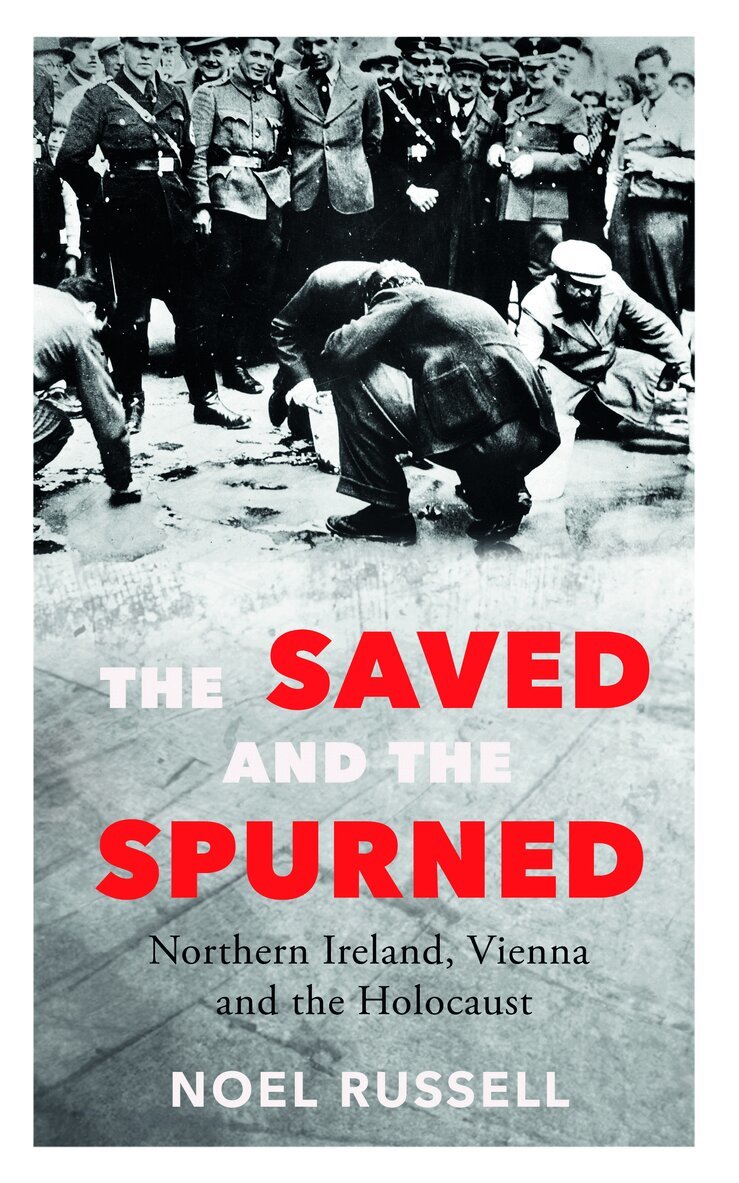
Saved and the Spurned
Northern Ireland, Vienna and the Holocaust
Av Noel Russell
Häftad, 2024
165 kr
Lägg i varukorg
For several months before World War II, hundreds of persecuted Jews, mainly from Nazi-occupied Vienna, tried to escape to Northern Ireland. They had learned of a Stormont job-creation scheme to tackle the region’s chronic unemployment by offering financial support to skilled professionals.Almost …